Loading store
Loading store
WishlistStore FinderGift Cards

How to lay Feinwerk Concrete Pavers

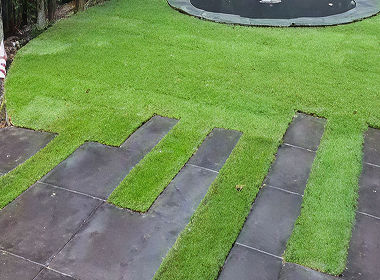
Feinwerk concrete pavers are made from high-quality wet cast concrete using mostly natural materials. They are crafted for precision, durability, and a clean architectural look. To get the best finish and long-lasting performance, they should always be laid on a mortar base with solid joints and proper drainage. This guide covers every step from preparation to finishing and care.
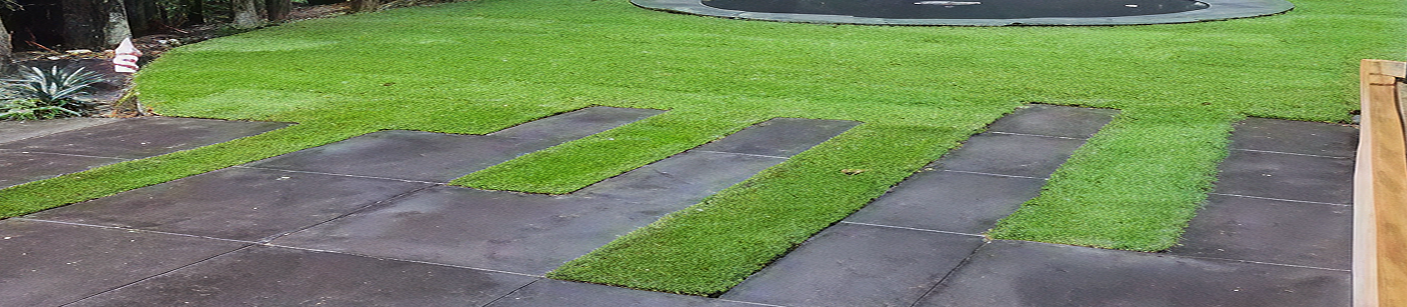
What you’ll need

Before you begin, make sure you’ve got everything ready.

Materials:

  • Feinwerk pavers (mix from multiple pallets for consistent colour)

  • Basecourse aggregate (AP20 or GAP20, compacted to 100 mm minimum)

  • Mortar mix (1 part cement to 5 parts clean sand, 20–30 mm thick bed)

  • Jointing mix (sand and cement, 9–15 mm solid joints)

  • Edge restraints (paver on edge, kerb, or mortar haunching)

  • Clean water

  • Sealer (optional for protection and colour enhancement)

Tools:

  • Tape measure and pencil

  • Pegs and string lines

  • Spirit level

  • Spade and shovel

  • Wheelbarrow and rake

  • Plate compactor

  • Screeding board (100 x 25 mm and about 2 m long)

  • Trowel and pointing tool

  • Screeding rails or straight pipes (25–30 mm diameter)

  • Rubber mallet

  • Diamond blade wet saw

  • Stiff broom and soft broom

  • PPE (gloves, safety glasses, hearing protection, dust mask

Before you start

Plan the fall

Plan a minimum fall of 1 percent or 10 mm per metre across the paved area so rainwater runs off the surface instead of pooling or soaking into the basecourse.

Check drainage and external water sources

Make sure your site drains well. If the ground holds water, add a subsoil drain or use a free-draining base material. Keep sprinklers, downpipes, or hard surfaces from directing water onto the paved area.

Pro tip icon
Pro tip: Proper drainage protects against efflorescence and colour fading caused by moisture build-up.

Prepare the subgrade and basecourse

Check the subgrade is firm, dry, and free from vegetation or debris. Spread and compact at least 100 mm of AP20 or GAP20 basecourse. Shape it to follow the planned fall and work it in with your drainage system.

Keep pavers dry before use

Store pavers in their wrapping or under the top sheets included in the packaging to protect them from moisture before installation.

Step-by-step laying instructions

  1. Setting out the area
    Use pegs and string lines to mark the perimeter of the paved area. Set the string to represent the finished height of the pavers. Remember to allow for the mortar base thickness (20–30 mm) and the height of the pavers themselves.
  2. Excavation
    Remove grass, roots, and topsoil. Excavate deep enough for your full layer build-up, basecourse, mortar, and paver thickness combined.
    • For patios and paths: about 150–180 mm total depth.
    • For spa pools: about 250–300 mm total depth.
    Shape the excavated surface to match your planned slope. Compact the soil firmly.
  3. Basecourse installation
    Spread the basecourse material in layers no more than 75 mm thick. Compact each layer with a plate compactor. Dampen slightly to help the aggregate lock together. Check levels often using a straight edge and spirit level. Make sure the surface is even and shaped to the correct fall.
  4. Mortar base preparation
    Feinwerk recommends a fully supported mortar base for the best results.
    • Mix 1 part cement with 5 parts sand until it holds its shape when squeezed in your hand.
    • Do not add too much water. The mix should be like toothpaste.
    • Trowel the mortar onto the basecourse in a 20–30 mm layer.
    You can lay mortar for a few pavers at a time but avoid spreading too large an area as it will start to dry out.
    Pro tip icon
    Pro tip: Make small X-shaped trowel marks in the mortar before placing each paver to help it settle evenly and grip.
  5. Laying the pavers
    Start laying from a straight edge or a corner. Lower each paver gently into position and tap down with a rubber mallet until level. Maintain consistent joint gaps of 9–15 mm. Use string lines to keep your rows straight and check that each paver sits to grade. Remove any mortar that squeezes up between joints before it hardens.
  6. Cutting
    Cut pavers as needed for edges and corners using a diamond wet saw. Always wear protective gear and rinse off slurry immediately to avoid staining.
  7. Jointing
    Once the mortar base has firmed up enough to walk on, fill the joints with a sand and cement mix.
    • Mix 3 parts sand with 1 part cement until it is slightly damp.
    • Trowel the mix into the joints until completely full.
    • Use a pointing tool to press and smooth the joints for a neat finish, making sure to remove any spills immediately to avoid any staining to the pavers.
    Avoid washing the surface at this stage, as too much water can weaken the joints
    Pro tip icon
    Pro tip: A well-filled solid joint keeps out weeds and ants while reducing moisture absorption into the basecourse.
  8. Finishing and cleaning
    Once all joints are filled, lightly mist the surface with water to help the mortar cure. Do not soak it. Allow the paving to cure for at least 24 hours before walking on it.

Sealing your Feinwerk Concrete Pavers

Feinwerk pavers are made from wet cast concrete, which can absorb moisture. Sealing helps protect against water stains, efflorescence, and colour changes.

When to seal:
Wait at least two to three weeks after installation so any moisture within the pavers or base can evaporate. Sealing too soon can trap moisture and cause hazing or patchy colour.

How to apply:

  1. Make sure the surface is clean and completely dry.
  2. Apply the sealer evenly with a roller or sprayer on a cool, dry day.
  3. Allow the first coat to dry for several hours before applying a second light coat if recommended.
  4. Avoid walking on the surface for 24 hours.
Reapply every two to three years or as needed to maintain protection.

Maintenance and care

  • Sweep regularly to remove dirt, leaves, and debris.
  • Clean spills quickly to prevent staining.
  • Wash occasionally with mild detergent and water. Avoid harsh acids.
  • For moss or mould, use a diluted bleach solution, scrub gently, and rinse well.
  • Keep sprinklers directed away from the paved area to prevent constant moisture.
  • Replace cracked or chipped pavers promptly.


Pro tip icon
Pro tip: Efflorescence (a white chalky deposit) can occur naturally as concrete cures. It usually fades with weathering and washing but can be treated with an efflorescence remover if needed.

Tip: Product instructions shown here are provided for guidance only and may not reflect current advice. Please refer to the manufacturer’s documentation for most up to date instructions.

Download the supplier’s full guide

For complete technical details, you can view or download the official installation PDF.

Download full PDF guide

Feinwerk concrete pavers

Feinwerk

Concrete Pavers

Firth Concrete Pavers

Firth

Concrete Pavers

Viblock Concrete Pavers

Viblock

Concrete Pavers

Premier Italia Concrete Pavers

Premier

Italia Concrete Pavers

Premier Lifestyle Concrete Pavers

Premier

Lifestyle Concrete Pavers

Urban Paving Concrete Pavers

Urban Paving

Concrete Pavers

Urban Paving Natural Pavers

Urban Paving

Natural Pavers

Urban Paving Porcelain Pavers

Urban Paving

Porcelain Pavers

Urban Paving Natural Cobblestones

Urban Paving

Natural Cobblestones