Loading store
Loading store
WishlistStore FinderGift Cards

Charcoal and pellet vs gas: your guide to next level BBQ

You’ve got gas, and it’s grand. Quick, easy and no fuss. But if you’re curious about that real smoky flavour, here's the good news: you don’t have to give any of that up to get it. This guide is for gas owners on the fence. We take on the three things that hold most people back, the time, the mess and the so called complexity and show you how charcoal and pellet are far easier than they look. From how long it really takes to fire up to turning cheaper cuts into the kind of feed that gets the neighbours leaning over the fence, we've got all the tips and advice you need to level up your outdoor cooking game.
More than just a BBQ.

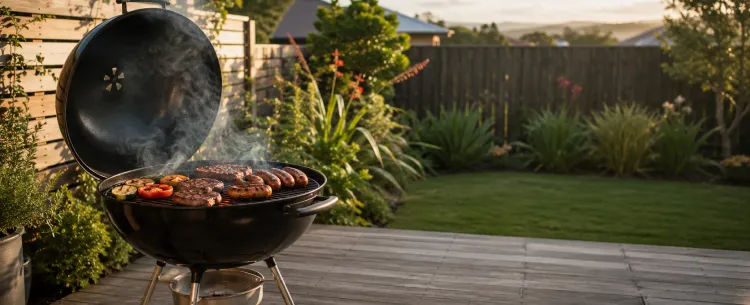
Moving from gas to charcoal or pellet is not really about the gear. It's about what you get out of it. The smell of manuka smoke on a Saturday arvo. The quiet pride when you pull off a brisket that would cost a small fortune at a restaurant. The way people gather round when something low and slow is on the go. Gas is brilliant for speed, but charcoal and pellet open up a whole new level of flavour and a skill that is genuinely good fun to master. The good news? It's far easier than it looks, and you don't have to give up your weeknight convenience to get there.

Gas vs charcoal vs pellet, side by side

Three great ways to cook outdoors. Here's how they stack up so you can pick what fits your backyard, not someone else's.

Gas
Charcoal
Pellet
Flavour
Clean and neutral. Flavour comes from your rubs and the sear.
Proper smoky char. The classic BBQ taste Kiwis grew up with.
Consistent wood smoke. Easy to layer in flavour you choose.
Heat for searing
High, fast and easy. Great for a quick crust.
Very high. Hard to beat for a steakhouse sear.
Moderate by default. Sear with a hot finish or a sear setting.
Low and slow smoking
Works well on most gas BBQs with the right setup.
Great once you learn the vents.
Excellent for steady, set temperature cooking.
Time to start cooking
A few minutes.
About 15 to 20 minutes with a chimney starter.
Usually 15 to 30 minutes, depending on the model, weather and target temperature.
Temperature control
Turn a dial.
Adjust the vents and how you lay the coals.
Digital. Dial in the exact temperature.
Effort and clean up
Low.
A bit more. Empty the ash now and then.
Low once running. Clear the ash occasionally.
Power needed
None. Runs off a bottle.
None.
Yes. Needs a power point.
Best for
Quick weeknight meals and big easy cook ups.
Flavour chasers and weekend cooks.
Smoking, roasting and hands-off cooking.
Gas
Flavour
Clean and neutral. Flavour comes from your rubs and the sear.
Heat for searing
High, fast and easy. Great for a quick crust.
Low and slow smoking
Works well on most gas BBQs with the right setup.
Time to start cooking
A few minutes.
Temperature control
Turn a dial.
Effort and clean up
Low.
Power needed
None. Runs off a bottle.
Best for
Quick weeknight meals and big easy cook ups.
Charcoal
Flavour
Proper smoky char. The classic BBQ taste Kiwis grew up with.
Heat for searing
Very high. Hard to beat for a steakhouse sear.
Low and slow smoking
Great once you learn the vents.
Time to start cooking
About 15 to 20 minutes with a chimney starter.
Temperature control
Adjust the vents and how you lay the coals.
Effort and clean up
A bit more. Empty the ash now and then.
Power needed
None.
Best for
Flavour chasers and weekend cooks.
Pellet
Flavour
Consistent wood smoke. Easy to layer in flavour you choose.
Heat for searing
Moderate by default. Sear with a hot finish or a sear setting.
Low and slow smoking
Excellent for steady, set temperature cooking.
Time to start cooking
Usually 15 to 30 minutes, depending on the model, weather and target temperature.
Temperature control
Digital. Dial in the exact temperature.
Effort and clean up
Low once running. Clear the ash occasionally.
Power needed
Yes. Needs a power point.
Best for
Smoking, roasting and hands-off cooking.

Need a quick steer?

Every backyard and every cook is different. Here's the easy way to narrow it down to match the right BBQ style to the way you like to cook.

Choose charcoal if...

You want hands-on cooking, high heat searing and that classic smoky flavour, and you don't mind learning a bit of airflow.

Shop charcoal BBQs

Choose pellet if...

You want wood fired flavour, easy temperature control, proper low and slow cooking and a relaxed setup for entertaining.

Shop pellet grills

Stick with gas if...

Speed, simplicity and low fuss weeknight cooking matter most to you right now.

Shop gas BBQs

Add smoke to gas if...

You're not ready to upgrade yet but want to experiment with real wood flavour. A smoker box and wood chips are a low cost first step.

Shop smokers

Get to know each type

Leaning one way already? These guides go deeper on how each BBQ actually works, the different styles, what size suits you and how to get the best from it.

Charcoal BBQs explained

Kettle, kamado, offset and drum, how airflow and fuel work, what size to get and who each style suits.

Read the charcoal guide

Pellet grills explained

How the hopper, auger, controller and fire pot work together, what to look for and which size fits your crew.

Read the pellet guide

Is a pellet smoker worth the extra cost over gas?

If you only ever cook snags and steak in a hurry, gas is hard to argue with. But a pellet grill isn't really a swap for gas. It's an upgrade in what you can make. Think of it as a smoker, a roaster, an outdoor oven and a grill in one. You dial in a temperature, it feeds wood pellets automatically, and it holds that heat while you get on with your day.

Where the extra spend pays you back:
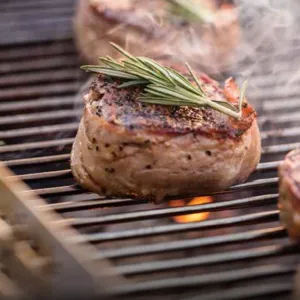
  • Real wood smoke flavour on everything, not just the odd smoker box.
  • Low and slow cooking with real wood smoke built in, rather than added on.
  • Hands-off convenience, great for entertaining.
  • It turns budget cuts into showstoppers.
Shop pellet grills
Pellet smoker content image

How long does it actually take to fire up?

This is the big myth that holds people back, and it's way less of a deal than you would think. Yes, gas is quickest. But charcoal and pellet are not the all afternoon mission people imagine.

Gas

A few minutes. Turn the dial, hit the ignition, close the lid to preheat and you're ready to cook.

Charcoal

About 15 to 20 minutes. A chimney starter is the trick. Once the top coals are glowing and ashed over, tip them in. No lighter fluid, no chemical taste.

Pellet

Usually 15 to 30 minutes, depending on the model, weather and target temperature. Switch it on, set your temperature and let it preheat while you prep.

These are typical preheat times. Your BBQ, fuel, target temperature and the weather can all affect how long it takes.

Can I sear on a pellet grill, or is it just for smoking?

Some pellet grills can produce a good sear, particularly models with higher maximum temperatures, cast iron grates, direct-flame access or a dedicated searing zone. Many pellet grills can reach around 230 to 260°C, which is enough for grilling and a solid hot finish. For a harder steakhouse crust, look for a model with a sear setting or direct flame access, or use cast iron to build stronger surface heat. The pitmaster trick is the reverse sear: cook the steak until it is several degrees below your final target temperature, then finish it over high heat. How early you begin searing will depend on the steak's thickness and the heat of your grill. This can help produce a more evenly cooked steak with a browned crust.

Shop cast iron and sear plates
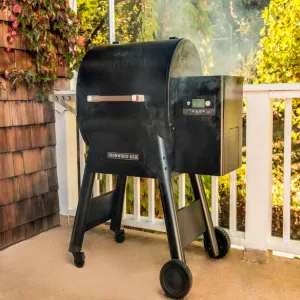
Pellet grill content image

How do I control the temperature?

On a pellet grill it's dead simple: you set a number and the controller holds it. On a charcoal BBQ you control heat two ways, the air vents and how you arrange the coals. The key skill is the two-zone setup: pile your lit coals on one side and leave the other empty, so you have a hot direct side for searing and a cooler indirect side for gentle cooking.

A simple temperature guide by job

Low and slow

107 to 135°C

Brisket, pork shoulder, ribs.

Roasting

150 to 175°C

Whole chook, lamb shoulder, veg.

Hot roasting and baking

180 to 220°C

Breads, tray bakes, roast veg and desserts. For pizza, go hotter if your BBQ allows.

Grilling

200 to 230°C

Sausages, chops, kebabs, burgers.

Searing

230°C plus

Steak crust and the reverse sear finish.

The three charcoal heat layouts

Where you put the coals decides how you cook. These three setups cover just about everything.

Direct heat

Coals spread evenly under the food. Fast and hot. Best for burgers, steaks, sausages and skewers.

Two zone heat

Coals on one side, nothing on the other. Sear over the hot side, then move food to the cooler side to finish. Best for chicken, chops and thicker steaks.

Indirect heat

Coals to one or both sides with food in the middle, lid down. Like an oven. Best for roasts, ribs and longer low and slow cooks.

What is the real cost per cook?

Fuel cost depends on what you're cooking, how long the BBQ runs, the weather and how much food you make. A quick weeknight grill will use less fuel than a long low and slow cook, no matter which BBQ you use. Gas is great for short, fast cooks. Charcoal gives you strong heat and smoky flavour, especially when you use the right amount of fuel for the job. Pellet grills use pellets for both heat and smoke, so longer cooks will use more fuel, but they also make it easier to cook bigger cuts with steady temperature control. The real value shows up when you think beyond fuel. Charcoal and pellet cooking can help turn better value cuts like pork shoulder, ribs, brisket, lamb shoulder and chicken thighs into tender, flavour packed meals. One bigger cook can feed a crowd, cover leftovers and make a simple cut feel restaurant worthy at home.

To work out your own cost per cook, just weigh up three things:
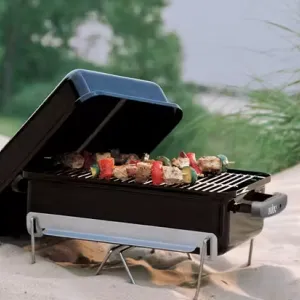
  • Fuel used: how long the cook runs and how much it burns.
  • The cut: cheaper cuts plus low and slow is where you win big.
  • How many you feed: one big cook can do dinner tonight and lunches all week.
Cost per cook content image

How do I get more smoke flavour, and which wood goes with what?

The right smoking wood can add another layer of flavour. On charcoal, use the coals for heat and add a couple of wood chunks on top for flavour. On a pellet grill, the pellets do both. Here's a simple pairing list, with a few proper Kiwi favourites in the mix.

These pairings are a starting point. Smoke strength will also depend on how much wood you use and how long the food cooks. Only use untreated wood sold or prepared for food smoking. Never use painted, treated or unknown timber.

Wood
Flavour
Great with
Manuka
Bold and robust with a touch of sweetness. The classic Kiwi smoke. A little goes a long way.
Beef and brisket, lamb, and smoked fish like kahawai and snapper.
Pohutukawa
Milder and sweeter, nicely aromatic.
Red meat, longer cooks and white meats.
Apple
Mild and gently sweet. Easy to love.
Chicken, pork and fish.
Cherry
Mild and fruity. Gives a lovely colour.
Poultry, pork, beef and veg.
Hickory
Strong and savoury, that bacon like smoke.
Pork, ribs and beef.
Oak
Medium and even. The reliable all-rounder.
Beef, sausages, fish, and great for blending.
Mesquite
Bold and earthy. Use sparingly.
Beef and bigger cuts.
Manuka
Flavour
Bold and robust with a touch of sweetness. The classic Kiwi smoke. A little goes a long way.
Great with
Beef and brisket, lamb, and smoked fish like kahawai and snapper.
Pohutukawa
Flavour
Milder and sweeter, nicely aromatic.
Great with
Red meat, longer cooks and white meats.
Apple
Flavour
Mild and gently sweet. Easy to love.
Great with
Chicken, pork and fish.
Cherry
Flavour
Mild and fruity. Gives a lovely colour.
Great with
Poultry, pork, beef and veg.
Hickory
Flavour
Strong and savoury, that bacon like smoke.
Great with
Pork, ribs and beef.
Oak
Flavour
Medium and even. The reliable all-rounder.
Great with
Beef, sausages, fish, and great for blending.
Mesquite
Flavour
Bold and earthy. Use sparingly.
Great with
Beef and bigger cuts.

How much smoke?

Beginners often wonder how much is too much. Here is the easy way to think about it.

Mild smoke

Apple, cherry, pohutukawa

Best for chicken, fish, pork and vegetables.

Medium smoke

Oak, pecan, blended pellets

Best for everyday BBQ, pork, poultry and mixed cooks.

Bold smoke

Manuka, hickory, mesquite

Best for beef, lamb, brisket, ribs and shorter cooks.

Tip icon
Tip: Start mild. You can always add more smoke next time, but you cannot take it away once it is in the food.

How to get great results from low and slow cuts

Cuts suited to low and slow cooking, such as pork shoulder, lamb shoulder, brisket and beef short ribs, contain plenty of connective tissue. Cooking them low and slow gives that tissue time to soften, creating tender, flavour-packed results. Pork or lamb shoulder are good places to start, while brisket and beef ribs may take a little more practice.

The no fuss method:
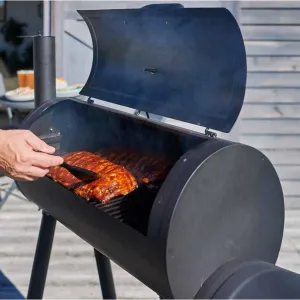
  1. Season generously with a rub the night before, or at least an hour ahead.
  2. Set your grill to around 110 to 120°C and add your smoking wood.
  3. Cook until tender. Use a thermometer, not the clock.
  4. Rest it, then pull or slice.
Shop rubs, thermometers and tools
Cheap cuts content image

How do I protect my gear from NZ conditions?

Our weather can be a handful, from Auckland humidity to that famous Wellington wind and salty coastal air just about everywhere. A bit of care keeps your BBQ cooking well for years.

Protect it from the weather

Humidity and pellets: Keep pellets sealed in an airtight bin, stored off the floor in a dry spot. Damp pellets can swell and feed poorly.

Wind and heat loss: Set up somewhere sheltered but still well ventilated. Keep the lid closed more often and allow extra preheat time.

Coastal air and rust: Use a fitted cover, keep cast iron seasoned and wipe down stainless surfaces regularly.

Cook safely on the day

On a windy day: Shelter the BBQ from strong gusts, keep it ventilated and watch the vents on charcoal.

In the rain: Keep water away from pellet hoppers, controllers and power leads. Only cook under cover if the space is open and safely ventilated.

In the cold: Expect longer preheat and cook times. Use a thermometer rather than relying on the clock.

Keep it clean over time

After every cook: Brush the grates, empty grease if needed and cover once cool.

Every few cooks: Empty ash, check the drip tray and wipe down surfaces.

Seasonally: Deep clean, check seals, inspect for rust, check gas hoses if relevant and refresh worn tools or fuel.

Cook with confidence: BBQ safely

None of this is meant to be scary. A few simple habits keep everyone safe and your food spot on.

  • Always cook outdoors in a well ventilated area.
  • Never use a charcoal BBQ indoors, in a garage or any enclosed space.
  • Keep the BBQ clear of walls, fences, furniture and overhanging branches.
  • Let ash cool completely before you dispose of it.
  • Use heat-resistant gloves and long-handled tools.
  • Keep raw and cooked food separate.
  • Use a thermometer to check meat has reached a safe internal temperature.
  • Keep a close eye on the BBQ while it is lit, especially around kids and pets.

Can I use charcoal or pellet on a weeknight, not just weekends?

Absolutely. Low and slow is the weekend showpiece, but both fuels are brilliant for a fast Tuesday feed. The trick is to cook hot and quick, not low and slow, when time is short.

On pellet

Set the temperature, add your food and let the grill manage the heat while you get the rest of dinner sorted nearby. Chicken thighs, sausages and vegetables can often be cooked in around 30 to 40 minutes, depending on their size and your grill temperature. Check meat is cooked through before serving.

On charcoal

For a smaller cook, light around half a chimney of lump charcoal. It can be ready in around 15 to 20 minutes and works well for chops, skewers, halloumi and flatbreads.

Cook once, eat twice

Smoke a big cut on Sunday and reheat through the week for quick lunches and dinners.

Tip icon
Tip: Speedy weeknight winners: kebabs, butterflied chicken, lamb chops, snags, halloumi, grilled veg and a quick flatbread on the side.

Lump charcoal, briquettes or pellets: what is the difference?

Three fuels, three jobs. Here is the plain English rundown so you can match the fuel to the cook.
Lump charcoal content image

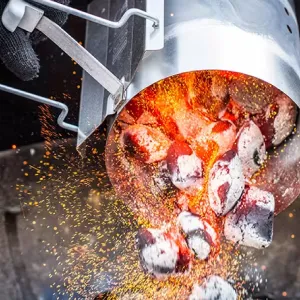
Lump charcoal

Hardwood heated with limited oxygen to create lightweight pieces that are mostly carbon. Lump charcoal generally lights quickly and can reach high temperatures, making it a good choice for searing and faster cooks. Burn time varies by the charcoal and how you manage the fire.

Shop coal
Briquettes content image

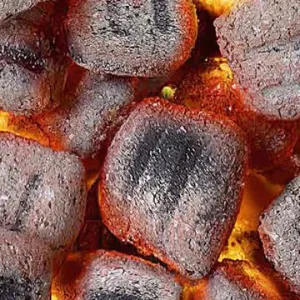
Briquettes

Briquettes are uniform in size and generally provide a longer, steadier burn. They work well for roasting and low and slow cooks where consistent heat matters. Check the packet for ingredients and choose briquettes made for BBQ cooking.

Shop briquettes
Wood pellets content image

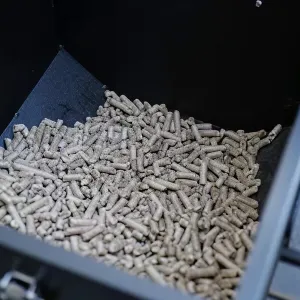
Wood Pellets

Compressed wood pellets that are automatically fed into the fire. They offer easy temperature control and wood smoke flavour with less hands-on fire management. Keep pellets dry and continue to check the grill during your cook.

Shop wood pellets

Fuel mistakes to avoid

A few easy ones to sidestep so your first cooks go well.

  • Never use pellets made for home heating or pellet fires. Only use wood pellets labelled for BBQs, grills or food smokers and suitable for your grill.
  • Do not use lighter fluid if you want clean flavour. Use a chimney starter and natural firelighters.
  • Do not store pellets in an open bag in a damp shed. Keep them sealed and off the ground.
  • Do not overload the smoke wood. Start with less and build up.
  • Do not cook by time alone. Cook to internal temperature with a thermometer.

Not sure what to cook first? Start here

Four cooks to build your confidence, from a quick weeknight win to a weekend showpiece. New to it all? Our beginner first cooks guide walks you through it step by step.
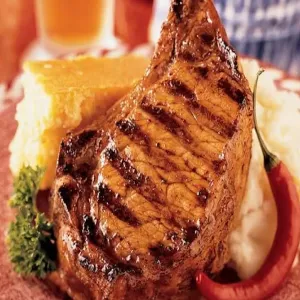
Spatchcock chicken image

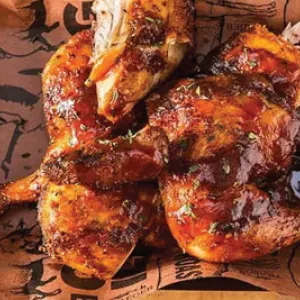
Try this first: Spatchcock chicken

Forgiving, fast and full of flavour.

View recipe
Spicy pork tenderloin image

Quick cook: spicy pork tenderloin

Lean, tender and packed with flavour.

View recipe
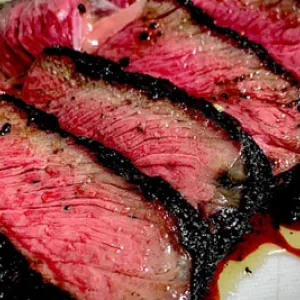
Reverse seared steak image

Entertaining: reverse seared steak

A beautifully browned crust with a tender centre.

View recipe
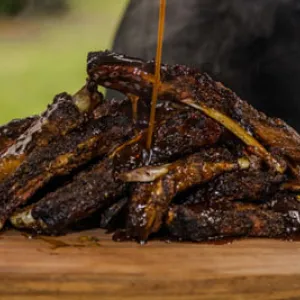
Lamb ribs image

Budget hero: lamb ribs

Low, slow and unmistakably Kiwi.

View recipe

Not ready to upgrade? Try these on your gas BBQ first

You don't need a new BBQ to start chasing flavour. A few cheap additions and clever techniques get you well on your way.

Add a smoker box

Fill a smoker box with wood chips and sit it over a burner for a hit of real wood smoke on your gas BBQ.

Rub and thermometer

Swap plain salt and pepper for a proper BBQ rub, and start cooking to internal temperature with a thermometer.

Lid down, go indirect

On a suitable multi-burner BBQ, leave one section unlit and place the food over the cooler area with the lid down. Check your BBQ manual for the recommended indirect cooking setup.

What to buy with it: starter kits

Get everything home in one go. Here is what you actually need, so there are no surprises on cook day.

Charcoal starter kit

  • A charcoal BBQ
  • Lump charcoal or briquettes
  • Chimney starter
  • Natural firelighters
  • Long handled tongs
  • Meat thermometer
  • BBQ cover
  • Wood chunks for extra smoke

Pellet starter kit

  • A pellet grill
  • An all purpose pellet blend
  • A bolder pellet for beef or pork
  • Meat thermometer or probe
  • Drip tray liners
  • Airtight pellet storage bin
  • BBQ cover
  • BBQ brush or scraper

Gas flavour starter kit

  • Smoker box
  • Wood chips
  • A BBQ rub or two
  • Meat thermometer

Ready to get cooking? Shop the range.

Whatever you fancy firing up, we've got the gear, the fuel and the local advice to help you get it done right.
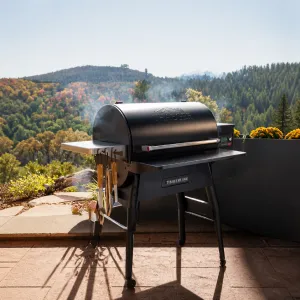
BBQs and smokers image

BBQs and smokers

Charcoal kettles, pellet grills, gas and kamado. Find the cooker that fits your backyard and your style.

Shop BBQs
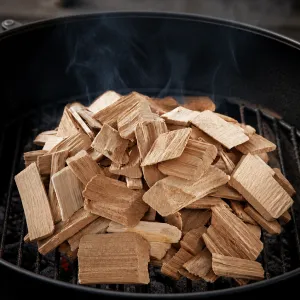
Fuel and smoking wood image

Fuel and smoking wood

Lump charcoal, briquettes, pellets, and wood chunks including good old manuka for that classic Kiwi smoke.

Shop fuel
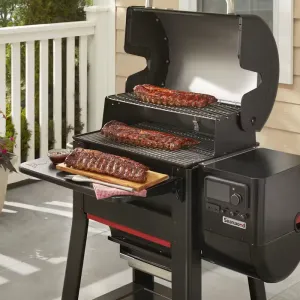
Tools and accessories image

Tools and accessories

Chimney starters, thermometers, cast iron, rubs and covers. The little things that make a big difference.

Shop accessories
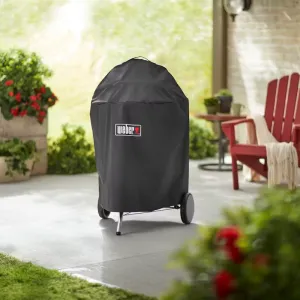
Clean and protect image

Clean and protect

Covers, brushes, drip trays and storage to keep your BBQ cooking well in NZ conditions.

Shop BBQ care

Quick answers before you shop

Still weighing it up?

For a small deck or courtyard, look for a compact gas BBQ, portable charcoal BBQ or smaller pellet grill with a modest footprint. Check the total size, not just the cooking area, including side shelves, lid clearance and room to move safely around it. If you choose a pellet grill, make sure you also have access to a suitable outdoor power source and a dry spot to store pellets. Before using a BBQ on a balcony, deck or shared outdoor area, check your tenancy agreement, body corporate rules, manufacturer clearances and any local fire restrictions.
It depends on what you are cooking, how long the BBQ runs and how much food you make. Charcoal can be cost effective for hot and fast cooks, especially when you only light what you need. Pellet grills use pellets for both heat and smoke, so longer cooks will use more fuel, but they are great for turning better value cuts like pork shoulder, ribs and brisket into meals that can feed a crowd or cover leftovers.
You do not need to upgrade straight away. If you already have a gas BBQ, you can start experimenting with more flavour using a smoker box, wood chips, BBQ rubs and a meat thermometer. It is a low cost way to try smoky flavour before deciding whether a charcoal BBQ or pellet grill is right for you.

FAQs

No. Pellet grills are one of the easier ways to try wood fired cooking because you set the temperature and the grill feeds pellets automatically. You still need to preheat it, use BBQ wood pellets suitable for your grill, keep the pellets dry and follow the shutdown cycle, but the temperature control is generally easier than managing a charcoal fire.
A meat thermometer is one of the most useful BBQ tools you can own. It helps you cook to internal temperature rather than guessing by time, which is especially helpful for chicken, sausages, mince patties, roasts, ribs, brisket and pork shoulder. It also helps you avoid overcooking, so your food stays juicy.
Most BBQs can be stored outside if they are cool, dry, covered and maintained. Use a fitted BBQ cover, keep fuel stored separately and check your BBQ regularly for rust, wear, grease build up or moisture, especially in coastal or humid areas. Always check your BBQ manual for model specific care instructions.
Brush the cooking grates after each cook while they are still warm enough to loosen residue, but safe to handle. Check grease trays, cups or buckets regularly, especially after fatty cooks. For charcoal and pellet BBQs, clear ash once it is completely cold. A deeper clean every few cooks or seasonally will help keep your BBQ working well.
Briquettes are usually the easier place to start because they are consistent, steady and easier to manage for longer cooks. Lump charcoal lights faster and burns hotter, which is great for searing once you are more confident. Many charcoal cooks keep both on hand and choose based on the cook.
Yes. A pellet grill needs power to run the controller, fan, igniter and auger that feeds pellets into the fire pot. Set it up near a suitable outdoor power source and keep electrical parts protected from rain. If you plan to use a pellet grill often, think about where it will live before you buy.
Manuka is a classic Kiwi smoke flavour. It is bold, slightly sweet and works well with beef, lamb and smoked fish. Because it is strong, start with a lighter amount, especially for chicken, fish or vegetables. You can always build more smoke flavour next time.
Yes. If you already have a gas BBQ, try a smoker box with wood chips or use a BBQ rub to build more flavour. If you have a charcoal BBQ, add a small amount of wood chunks or chips to your coals. Start lightly, as too much smoke can overpower the food.

Quick BBQ glossary

A few terms you will bump into, in plain English.

Bark: the dark, flavour packed crust that forms on smoked meat.
Reverse sear: cook low first, then finish hot to build a crust.
Hopper: the pellet storage chamber on a pellet grill.
Auger: the part that feeds pellets into the fire pot.
Indirect heat: cooking away from the direct heat source, like an oven.
The stall: when a big cut sits at the same temperature for a while during a low and slow cook.