Loading store
Loading store
WishlistStore FinderGift Cards

BBQ care and cleaning guide

A well looked after BBQ cooks better, lasts longer and is safer to use. Whether you cook on gas, charcoal or pellet, a few simple habits will help keep your BBQ ready for quick weeknight dinners, weekend cook ups and long summer afternoons outside.

BBQ care doesn't need to be complicated. Most of it comes down to keeping cooking surfaces clean, managing grease and ash, protecting your BBQ from the weather and checking the key parts before you fire it up. Gas BBQs need clear burners and clean grease trays, charcoal BBQs need good airflow and safe ash disposal, and pellet grills need regular ash and grease management, plus dry pellet storage.

This guide walks you through what to clean after each cook, how to care for different BBQ types, how to protect your gear in New Zealand conditions and what to check before cooking. It also covers the cleaning tools worth having on hand, so you can spend less time scrubbing and more time enjoying the next feed.
What should I clean after every cook?

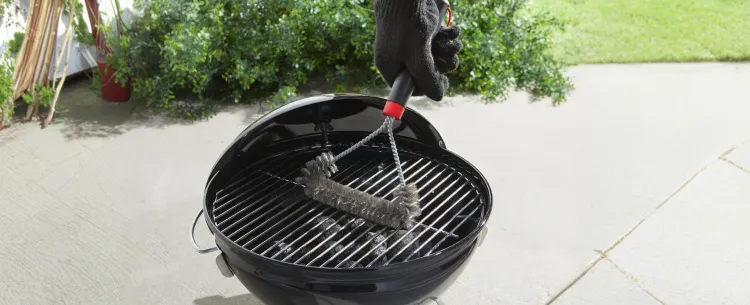
The easiest time to clean the cooking grate is while it's still warm enough to loosen food residue, but safe to handle. Give it a good brush to remove anything stuck on, then let the BBQ cool before putting the cover on. For gas and pellet BBQs, check the grease tray, cup or bucket, especially after cooking fatty foods like sausages, burgers, pork belly or brisket. For charcoal BBQs, wait until the coals and ash are completely cold before emptying them safely.

Area
What to do
Cooking grates
Brush off food and residue while warm.
Grease tray or bucket
Empty if needed, especially after fatty cooks.
Ash
For charcoal and pellet BBQs, clear ash once it is completely cold.
Exterior
Wipe spills or salt spray from surfaces.
Cover
Put the cover on once the BBQ is cool and dry.
Cooking grates
Brush off food and residue while warm.
Grease tray or bucket
Empty if needed, especially after fatty cooks.
Ash
For charcoal and pellet BBQs, clear ash once it is completely cold.
Exterior
Wipe spills or salt spray from surfaces.
Cover
Put the cover on once the BBQ is cool and dry.

How do I clean a gas BBQ?

Gas BBQs are low fuss, but they still need regular cleaning to keep burners working well and reduce grease build-up. Start with the cooking grates. Brush them after cooking, then check the drip tray and grease cup, especially after fatty foods. Every few cooks, remove loose food and debris from inside the firebox and check that the burner holes are clear. If the flame is uneven, weak, unusually yellow or behaving differently from normal, turn the BBQ off and let it cool. Check and clean it according to the manual. Do not use it again until the cause has been resolved.

Gas BBQ care rhythm

1

After every cook

Brush the grates and check the drip tray.

2

Every few cooks

Wipe down the firebox, clean the grease cup and check burners for blockages.

3

Seasonally

Check the gas hose, regulator and connections for damage or wear. Replace approved user-replaceable parts according to the manual or arrange professional help where required.

4

Before storing

Turn the gas bottle off, clean the BBQ and cover once cool.

Tip icon
Tip: Keep LPG bottles upright in a well-ventilated outdoor area, away from heat, ignition sources and anything that could burn. Turn the cylinder valve off when it is not in use and never use an outdoor gas BBQ indoors.

How do I clean a charcoal BBQ?

Charcoal BBQs rely on clear airflow to hold heat and cook evenly. Ash build up can block the vents, trap moisture and make temperature harder to control. After cooking, leave the coals and ash until they are completely cold. Transfer them to a metal container with a lid and keep it outside, away from anything that could catch fire, before final disposal. Brush the cooking grate, wipe down any residue and check that the vents can open and close freely before your next cook.

Charcoal BBQ care rhythm

1

After every cook

Brush the grates and let ash cool completely.

2

Once ash is cold

Empty ash into a metal container and dispose of it safely.

3

Every few cooks

Clear ash from the bowl, check vents and wipe down the lid and body.

4

Seasonally

Check for rust, clean handles and wheels and refresh your tools or fuel.

Tip icon
Tip: Never put warm ash into a plastic bin, rubbish bag or compost. Ash can stay hot for longer than you might expect.
New to charcoal? Read our charcoal BBQ guide

How do I clean a pellet grill?

Pellet grills need regular grease and ash management to keep them running properly. A clean fire pot, drip tray and grease or grease-and-ash collection system help support steady heat, cleaner smoke and reduce flare-up risk. Always follow your model's instructions, especially for the shutdown cycle, and let the grill cool fully before cleaning. Clear ash from the fire pot and cooking chamber as recommended by the manufacturer, then check the drip tray and grease or grease-and-ash collection system. Keep pellets dry and avoid leaving damp pellets in the hopper, as moisture can cause them to swell, crumble and feed poorly.

Pellet grill care rhythm

1

After every cook

Brush the grates and use the shutdown cycle before turning power off.

2

Regularly

Check the drip tray, grease or grease-and-ash container and cooking chamber. Clean sooner after fatty or longer cooks.

3

As recommended for your model

Clear ash from the fire pot and cooking chamber once the grill is fully cool.

4

Before storage

Empty or protect pellets if the grill will sit unused. Keep pellets sealed in an airtight bin.

Tip icon
Tip: Damp pellets can swell, crumble and stop feeding smoothly, so dry storage is one of the most important parts of pellet grill care.
New to pellet? Read our pellet grill guide

How do I clean BBQ grates?

Different grate materials need slightly different care, but the goal is the same: remove food residue, reduce sticking and keep your next cook easier. Once the grate is warm rather than extremely hot, remove loose food residue using a cleaning tool that is suitable for the grate material and temperature. Let it cool further before washing or handling as directed in the manual. Always check your BBQ manual before using strong cleaners, abrasive tools or metal brushes, especially on coated surfaces.

Grate type
How to care for it
Stainless steel
Brush while warm, wipe down as needed and avoid leaving salt or grease sitting on the surface.
Cast iron
Brush clean, dry well and lightly oil to help protect the surface.
Porcelain coated
Use a suitable BBQ brush or scraper and avoid chipping the coating.
Chrome plated
Clean gently and keep dry to help reduce rust.
Stainless steel
Brush while warm, wipe down as needed and avoid leaving salt or grease sitting on the surface.
Cast iron
Brush clean, dry well and lightly oil to help protect the surface.
Porcelain coated
Use a suitable BBQ brush or scraper and avoid chipping the coating.
Chrome plated
Clean gently and keep dry to help reduce rust.

How do I manage grease safely?

Grease build-up can cause excess smoke, flare-ups and messy cooking. Check the drip tray, grease cup or grease bucket regularly, especially after cooking fatty foods like sausages, burgers, pork belly or brisket. Let grease cool before handling it, wipe up spills once safe to do so and replace drip tray liners when needed. Keep the grease channel clear so fat can drain properly and does not pool inside the BBQ.

Grease cleaning tips

Do

  • Empty grease trays before they overflow.
  • Use drip tray liners if your BBQ supports them.
  • Wipe greasy surfaces once cool.
  • Keep the BBQ level so grease drains correctly.

Avoid

  • Letting fat build up over multiple cooks.
  • Pouring hot grease into rubbish bags.
  • Using too much water around electrical pellet grill parts.
  • Cooking with blocked grease channels.

How do I protect my BBQ in NZ conditions?

New Zealand weather can be tough on outdoor gear. Humidity, coastal air, wind and rain can all affect how your BBQ performs and how long it lasts. A fitted cover is one of the simplest ways to protect it between cooks. Store your BBQ somewhere sheltered where possible, keep it clean and dry, and check it regularly for rust or wear, especially if you live near the coast.

Protect it from the weather

Humidity and pellets: Keep pellets sealed in an airtight bin, stored off the floor in a dry spot. Damp pellets can swell and feed poorly.

Wind and heat loss: Set up somewhere sheltered but well ventilated. Allow extra preheat time.

Coastal air and rust: Use a fitted cover, keep cast iron seasoned and wipe down stainless surfaces.

Cook safely on the day

On a windy day: Shelter the BBQ from strong gusts, keep it ventilated and watch the vents on charcoal.

In the rain: Keep water away from pellet hoppers and power leads. Before cooking under a covered outdoor area, check your BBQ manufacturer's instructions to confirm it is suitable for this type of use, and ensure the area is open, well ventilated and meets the required clearances.

In the cold: Expect longer preheat and cook times. Use a thermometer rather than the clock.

Keep it clean over time

After every cook: Brush the grates, empty grease if needed and cover once cool.

Every few cooks: Empty ash, check the drip tray and wipe down surfaces.

Seasonally: Deep clean the BBQ, check seals and gas hoses where relevant, inspect for rust and replace damaged tools or fuel that has become damp or unusable.

Choosing between charcoal and pellet? Compare BBQ types
Condition
What to watch for
What to do
Humidity
Moisture can affect metal parts, charcoal and pellets.
Keep fuel dry, use a cover and store pellets or charcoal in sealed containers.
Coastal air
Salt can speed up rust and wear.
Wipe down surfaces, keep cast iron seasoned and use a fitted cover.
Wind
Wind can steal heat and affect charcoal airflow.
Set up in a sheltered but well ventilated spot and allow extra preheat time.
Rain
Water can affect pellets, power leads and metal parts.
Keep pellet hoppers and controllers dry, and only cook under cover if the space is open and ventilated.
Cold weather
Preheat and cooking can take longer.
Give the BBQ more time and use a thermometer rather than relying on the clock.
Humidity
What to watch for
Moisture can affect metal parts, charcoal and pellets.
What to do
Keep fuel dry, use a cover and store pellets or charcoal in sealed containers.
Coastal air
What to watch for
Salt can speed up rust and wear.
What to do
Wipe down surfaces, keep cast iron seasoned and use a fitted cover.
Wind
What to watch for
Wind can steal heat and affect charcoal airflow.
What to do
Set up in a sheltered but well ventilated spot and allow extra preheat time.
Rain
What to watch for
Water can affect pellets, power leads and metal parts.
What to do
Keep pellet hoppers and controllers dry, and only cook under cover if the space is open and ventilated.
Cold weather
What to watch for
Preheat and cooking can take longer.
What to do
Give the BBQ more time and use a thermometer rather than relying on the clock.

What should I check before cooking?

Before you fire up the BBQ, take a minute to check your setup, fuel and cooking area. A quick pre cook check can help prevent flare-ups, avoid poor cooking results and make sure your BBQ is safe and ready to use.

Pre cook checklist

Check
Why it matters
Outdoor setup
BBQs should be used outside in a well ventilated area.
Clearance
Keep the BBQ away from walls, fences, furniture and overhanging branches.
Stability
Make sure the BBQ is on a flat, steady surface.
Grease
Empty or check grease trays before cooking.
Ash
Clear cold ash so vents and airflow can work properly.
Fuel
Check gas, charcoal or pellets before you start.
Tools
Have long-handled tools, gloves and a thermometer nearby.
Food safety
Keep raw and cooked food separate and use clean plates and utensils.
Outdoor setup
BBQs should be used outside in a well ventilated area.
Clearance
Keep the BBQ away from walls, fences, furniture and overhanging branches.
Stability
Make sure the BBQ is on a flat, steady surface.
Grease
Empty or check grease trays before cooking.
Ash
Clear cold ash so vents and airflow can work properly.
Fuel
Check gas, charcoal or pellets before you start.
Tools
Have long-handled tools, gloves and a thermometer nearby.
Food safety
Keep raw and cooked food separate and use clean plates and utensils.

What cleaning gear do I need?

You don't need a huge kit to keep your BBQ in good shape. A few practical basics will make cleaning quicker, safer and easier to stay on top of, from brushing the grates after a cook to managing grease, ash and weather protection between uses.
BBQ brushes and scrapers image

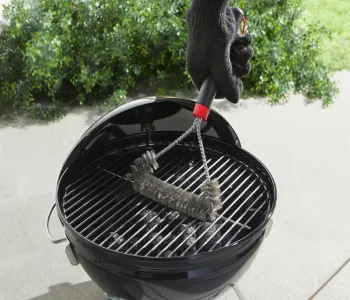
BBQ brushes and scrapers

Remove food residue from grates after cooking. Choose a brush or scraper that suits your grate material.
BBQ covers image

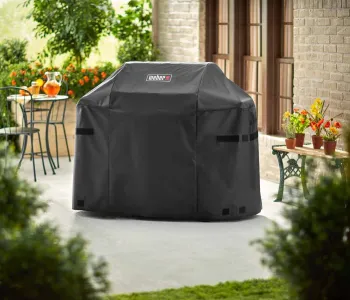
BBQ covers

Protect your BBQ from NZ weather between cooks.
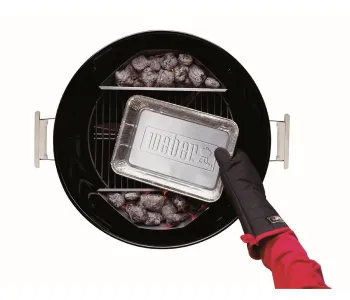
Drip trays and liners image

Drip trays and liners

Make grease clean up quicker and easier.
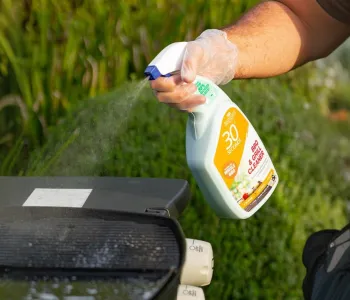
BBQ cleaners image

BBQ cleaners

Cut through grease and surface build up.
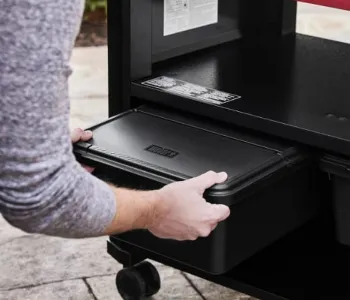
Charcoal and pellet storage image

Charcoal and pellet storage

Keep fuel dry and ready for your next cook.

Tip icon
Tip: Check wire-bristle brushes before every use and replace them if any bristles are loose, bent or missing. Inspect and wipe the grate before adding food. Follow your BBQ manual when choosing a brush or scraper, especially for coated grates.

How do I keep food safe on the BBQ?

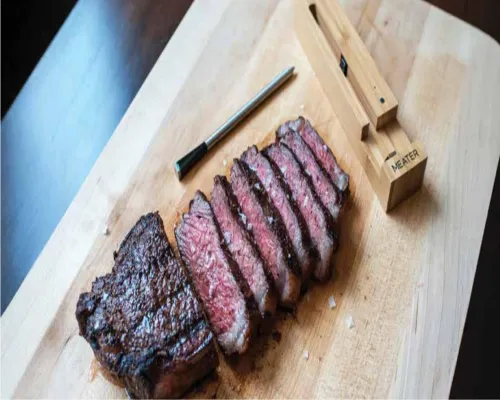
Good BBQ care is not just about looking after the gear. It also helps keep food safe from prep to plate. Keep raw meat and seafood separate from cooked food, salads and serving plates. Use separate utensils for raw and cooked food or wash them thoroughly in hot soapy water between uses. Wash and dry your hands after handling raw meat. Use a clean meat thermometer in the thickest part of the food rather than relying on colour or cooking time alone. Chicken, sausages, mince patties, tenderised meat and other higher-risk foods need to be cooked right through. Keep food chilled until it is needed and refrigerate leftovers within two hours.

As a simple guide, higher-risk foods should reach at least 75°C in the centre.
Food safety content image

Ready to clean up?

A little care after each cook goes a long way. Brush the grates, manage grease and ash, keep fuel dry and cover your BBQ once it has cooled. With the right tools and a simple routine, your BBQ will be ready for the next weeknight dinner, weekend cook up or long summer afternoon outside.

FAQs

Brush the cooking grates after each cook while they are still warm enough to loosen residue, but safe to handle. Check grease trays, cups or buckets regularly, especially after fatty cooks. For charcoal and pellet BBQs, clear ash once it is completely cold. Every few cooks, give the BBQ a deeper clean by wiping down surfaces, checking vents or burners and clearing grease or ash build-up.
The easiest time to clean BBQ grates is usually while they are still warm after cooking, as heat helps loosen stuck food and residue. Let them cool enough to handle safely, then brush or scrape them using a tool suited to your grate type. Cast iron grates should be dried well and lightly oiled to help protect the surface.
Use water carefully and always check your BBQ manual first. Warm soapy water can be useful for some removable parts and exterior surfaces, but avoid using too much water inside the BBQ, around burners or near electrical pellet grill parts. Dry parts well before putting them back to help reduce rust.
Let coals and ash cool completely before removing them. Transfer them to a metal container with a lid and keep it outside, away from anything that could catch fire, before final disposal. Never put warm ash into a plastic bin, rubbish bag or compost, as ash can stay hot for longer than you might expect.
Keep your BBQ clean, dry and covered when it is not in use. Wipe away spills, grease, salt spray and moisture, especially if you live near the coast. Empty cold ash regularly, as ash can hold moisture. Keep cast iron grates seasoned, use a fitted cover and check your BBQ regularly for early signs of rust or wear.
Brush the grates after each cook and check the drip tray or grease bucket regularly, especially after fatty cooks. Clear ash from the fire pot and cooking chamber as recommended by the manufacturer. Always let the grill cool fully before cleaning and follow your model's shutdown cycle before turning it off.
Yes, gas BBQ burners should be checked and cleaned as part of regular maintenance. Blocked burner holes can affect heat, flame quality and cooking performance. If the flame is uneven, weak, unusually yellow or behaving differently from normal, turn the BBQ off and let it cool, then check and clean it according to the manual. Do not use it again until the cause has been resolved. Always turn the gas off before cleaning and follow your BBQ manual.
Most BBQs can be stored outside if they are cool, dry, covered and maintained. Use a fitted BBQ cover, keep fuel stored separately and check regularly for rust, moisture or wear, especially in coastal or humid areas. Store charcoal and pellets in dry, sealed containers so they stay ready to use.
Extra smoke can come from grease build-up, food residue, dripping fat, wet fuel or blocked airflow. Clean the grates, check the grease tray or bucket and clear ash once it is cold. For pellet grills, make sure pellets are dry and the fire pot is clean. Some smoke is normal when cooking fatty foods, but heavy or unusual smoke usually means something needs cleaning or checking.
Gas BBQs are usually the lowest fuss for everyday cleaning because there is no ash to remove. Pellet grills are also straightforward once you have a routine, but they need grease and ash management. Charcoal BBQs are simple, but you will need to empty cold ash and keep the vents clear so airflow works properly.