


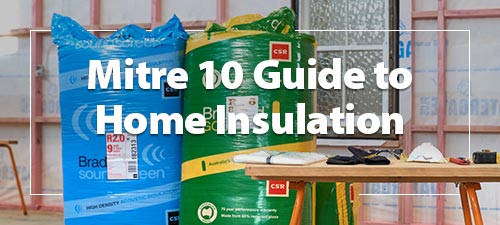
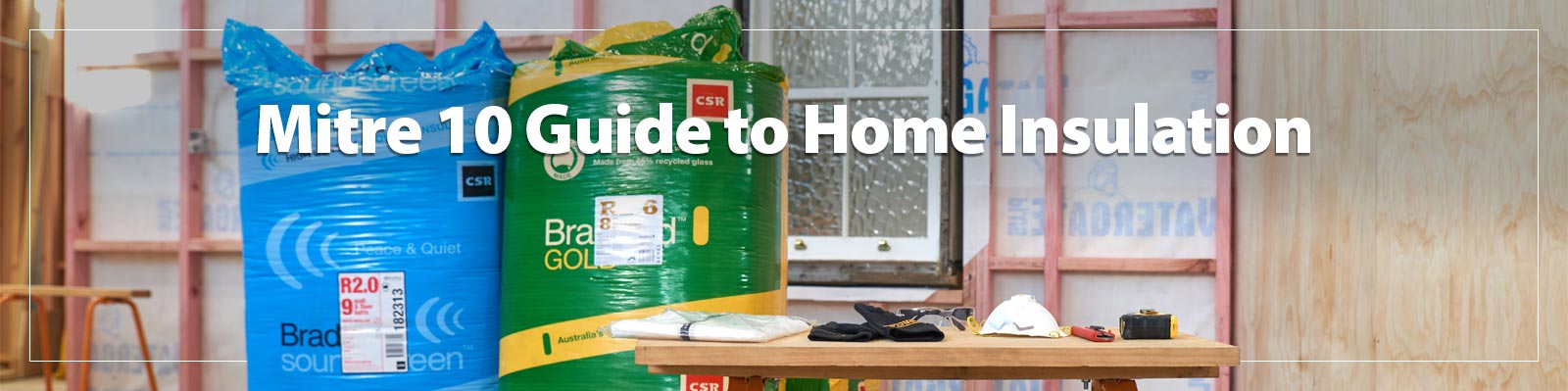
Home insulation made simple
A well insulated home is warmer, drier and more comfortable all year round. Whether you are upgrading an older home or building new, insulation plays a big role in reducing heat loss and lowering energy costs.
There is a lot to go through when approaching insulation. From minimum R-values, to choosing the type of insulation for your needs, to dealing with ceiling, wall or underfloor insulation. A good place to start might be, why should I insulate?
The case for a well-insulated home
Insulation is a key part of a warm and healthy home. While insulation does not create heat, it does aim to reduce heat loss from your home, making it easier and cheaper to heat. It acts like a blanket to help seal in warmth collected by your home throughout the day from sunlight, as well as warmth from your chosen method of heating.
Insulation helps to keep your home warm, but it also helps to reduce condensation, mould and mildew and can even reduce noise levels. The thermal resistance that insulation can add to your home, can also decrease the amount of heat that will enter your home from outside during the warmer months. Simply put, insulation is a key piece in the healthy home puzzle which is why it has been a major focus of the Government's Healthy Home Standards for rental properties.
Even if you're not a landlord, going down the route of a professional assessment and installation could be right for you, especially if you're not a confident DIYer and would like the peace of mind that comes with expert installation. With that said, we've also got plenty of helpful resources to show you how to insulate ceilings, walls and underfloor with our Easy As series of videos and guides.
Warmer winters
Slows heat loss so your heater doesn't have to work as hard to maintain a comfortable temperature.
Lower power bills
A well-insulated home can significantly reduce the energy needed to heat and cool, savings that add up year after year.
Drier, healthier air
Reduces condensation and the conditions that allow mould and mildew to take hold inside your home.
Quieter rooms
Insulation in walls and ceilings absorbs sound — a bonus for busy households or homes near traffic.
DIY or professional installation?
Two good ways to get your home insulated. Pick the one that suits you.
Get it done for me
Our partner Installed will assess your home, confirm what's needed and recommend the right insulation for ceiling, underfloor and walls. No guesswork, no obligation, just expert advice tailored to your place.
Book your free insulation installation assessmentI'll do it myself
Ceiling and underfloor insulation are achievable DIY projects with the right prep. Our Easy As guides and videos walk you through each step, from choosing the right product to installing it safely.
Explore DIY guidesUnderstanding R-values
The amount of insulation is measured by an R-value — a measurement of resistance to heat flow. This heat flow resistance can go both ways. During Winter, it reduces the amount of heat flowing from inside the house to outside, while in Summer insulation helps to reduce heat flow into the house.
The higher the R-value number, the better the insulation. The minimum R-value required depends on the location of the insulation (ceiling or underfloor) as well as the region that the house is situated in. There are three climate zones in New Zealand with differing minimum values. However, the standard set to begin 1 July 2021 has underfloor insulation in all three regions set at a uniform R 1.3, with Zone 1 and 2 having the same ceiling value of R 2.9. Only Zone 3, which is essentially the South Island plus the Central Plateau in the North Island, has a higher ceiling insulation minimum R-value of R 3.3.
It should be noted that these are the minimum R-values for compliance with legislation, but you should consider a higher R-value if your budget allows, and there may also be some factors about your property that demand a higher R-value.
Rental properties — Healthy Homes Standards
Minimum R-values are set across three climate zones. Zone 3 (the South Island and Central Plateau) requires higher ceiling values than Zones 1 and 2. Underfloor minimum is R1.3 across all zones.
New builds — Building Code (2023 update)
Updated Building Code uses six climate zones and requires a minimum of R6.6 for ceilings in all zones. These standards are higher than Healthy Homes minimums — make sure you're working to the right set.
What areas of your home should you insulate?
For the best result, think about insulation across your whole home. Covering all three key areas creates a complete thermal envelope, keeping warmth in, cold out, and your power bill down.
35%
of heat loss in an uninsulated home escapes through the ceiling
Ceiling insulation
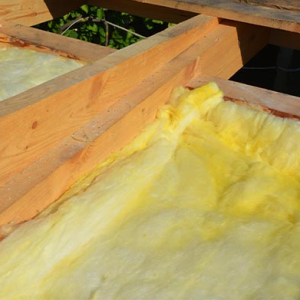
The ceiling is one of the most important areas to tackle first. Even if your home already has ceiling insulation, it's worth checking coverage. Gaps, compression or insulation that's too thin can seriously reduce performance. Ceiling insulation needs to be at least 120mm thick and meet your region's minimum R-value. In some cases, a top-up layer is all that's needed to bring an older home up to standard.
Safety matters too: always leave a clearance gap between insulation and heat sources like recessed downlights, extractor fans or chimneys.
Ceiling insulation comes in two main formats: batts (pre-cut sections placed between joists) and loose fill (blown into place). If your home has no ceiling cavity, insulation may only be practical during a reroofing or renovation.
If your home has a roof with no ceiling space, insulation may not be a viable option immediately and may be best done while re-roofing or renovating. In this case, it's best to talk to an expert about your options, as there could be a viable way to do it.
If you do have readily accessible ceiling space and you're looking to install insulation yourself, we have an Easy As video and guide on getting it done right.
If you go with the professional installation, your assessment will include advice and options for the ceiling insulation you require.
Book a free assessment →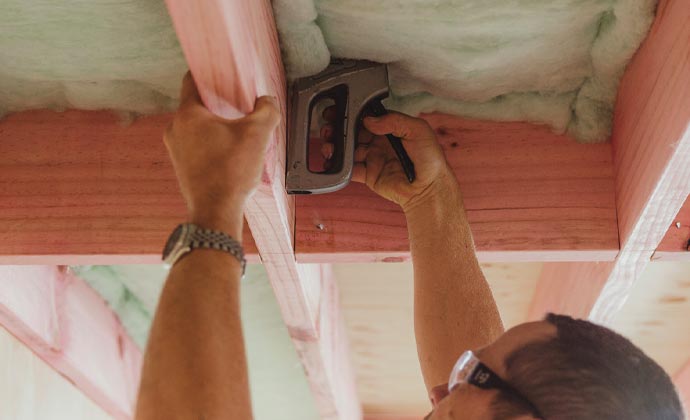
14%
of heat loss occurs through the floor in an uninsulated home
Underfloor insulation
Underfloor insulation makes a noticeable difference in comfort, particularly in older NZ homes where cold floors are a real issue. Options include glasswool batts, polyester batts and polystyrene boards. The best choice depends on access, moisture levels and whether the area is enclosed.
Underfloor insulation should also take into account potential moisture from the ground. Some insulation materials are moisture resistant, but a ground moisture barrier may be required to prevent ground moisture from creating damp conditions in your home. We sell a range of polythene ground moisture barriers.
You should also make sure that the insulation material and fitment is suitable if the insulation may be exposed to wind (where the underfloor area is not fully enclosed).
We have a full Easy As guide on installing underfloor insulation.
See our Easy As underfloor insulation guide →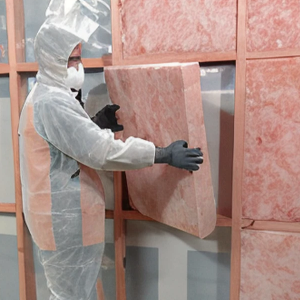
50%
of overall heat loss can be prevented with wall insulation
Wall insulation
Wall insulation completes the thermal envelope of your home. Combined with ceiling and underfloor, it helps maintain stable indoor temperatures, reduce heating and cooling costs, and prevent condensation and dampness building up inside your walls.
While only external walls are required to meet building code, wall insulation also provides an acoustic barrier between rooms, useful in busy households. Wall insulation is most straightforward during a new build or renovation, but options exist for existing homes depending on construction type.
See our Easy As wall insulation guide →Is your home a good candidate?
Many older Kiwi homes are under-insulated — or have none at all
Homes built before 1978 often have no insulation. Even those built before the early 2000s may fall well short of current standards. Retrofitting is absolutely possible — but the best approach depends on what's already there and the structure of your home. This is where a professional assessment pays for itself: rather than guessing, you'll know exactly what's needed and what it will cost.
Insulation materials
The best material depends on where it's being installed, your budget, and how you plan to do it. Here's what you need to know about each option.
Glass wool
The most widely used insulation in Kiwi homes. Offers strong thermal performance and works well in ceilings, walls and underfloor. Available in batts and rolls.
Wear protective clothing, gloves and a mask during installation — fine fibres can irritate skin and eyes. Once installed, safe and inert.
Polyester
A synthetic option, often made with recycled plastic bottles. Similar R-value to glass wool, but much easier and more comfortable to handle — less irritating on skin.
Dust mask recommended during install.
Polystyrene
Lightweight and easy to cut to shape. Slightly higher R-value than glasswool at the same thickness. A practical option for underfloor, and can also be used in ceilings and walls.
Avoid inhaling particles when cutting. Some Mitre 10 stores accept polystyrene offcuts through the Expol recycling programme.
Our insulation brands
All brands we carry meet New Zealand building code requirements. Here's what sets each one apart.

Bradford Gold
Glass wool — ceilings, walls, underfloor
Bradford glasswool is made from up to 65% recycled glass content. It comes from recycled bottles which are not suitable for recycling in flat or container glass manufacture. Bradford Gold insulation and Bradford Acoustic Gold are also partners with the Sensitive Choice® program, improving the quality of life for those with asthma and allergies. Bradford Insulation warrants that Bradford Gold will not pack down, shrink, support mould, rot or deteriorate and, when installed in accordance with our directions, will last the life of your home — 70 years from the date of product installation.

Pink Batts
Glass wool — walls and ceilings
Pink® Batts® insulation is made in New Zealand and contains more than 80% recycled glass, material that might otherwise be destined for landfills. Now the very packaging which Pink® Batts® insulation comes in contains recycled material — and the good news is that recycled material is in fact "used" Pink® Batts® plastic bags. Pink® Batts® BRANZ appraised wall and ceiling products will provide high quality insulation for the lifetime of your home.

Autex GreenStuf
Polyester — ceilings, walls, underfloor
GreenStuf is proudly made for Kiwis by Kiwis, manufactured right here in New Zealand. Backed by a 50 Year Durability Warranty, GreenStuf will never slump or settle over time, ensuring your home is safe and warm for the future. GreenStuf is made from 100% polyester fibre with no added chemicals; independently tested and assessed to achieve all relevant fire standards for NZBC compliance, including downlights.
Mammoth
Polyester — ceilings, walls, underfloor
Mammoth™ insulation is made in New Zealand from 100% polyester and is designed to create warmer, healthier environments. Mammoth™ products include fibres from recycled plastic bottles, are Red List Free and 100% recyclable. InZone warrant that, provided the polyester insulation is installed correctly and remains adequately protected, Mammoth will perform as well as when installed for 50 years.

Expol
Polystyrene — underfloor, ceilings, walls
EXPOL insulation products are made in New Zealand, using an environmentally responsible manufacturing process and are 100% recyclable. EXPOL insulation products are actually 98% trapped air. As well as ensuring excellent thermal insulation properties, this means the amount of EPS material required is minimal. Expol warrants that the product is free from manufacturing defects for a period of 50 years from the date of purchase.
Insulation FAQs
What R-value do I need for my NZ home?
It depends on where your home is and where the insulation is going. Rental properties must meet Healthy Homes Standards minimums (three climate zones). New builds now follow the 2023 Building Code update (six zones, minimum R6.6 for ceilings). A free assessment will confirm what applies to your property.
How much does home insulation cost in New Zealand?
Costs vary depending on home size, insulation type and whether you're DIYing or going professional. If you're doing it yourself, you pay for materials only — browse our range online or in-store. For professional installation, your free assessment with Installed will include a specific quote for your home.
Can I get help with the cost of insulation?
Some homeowners may be eligible for support through the Warmer Kiwi Homes programme. Your free assessment with Installed can help clarify what you might be eligible for based on your circumstances.
Can I install insulation myself?
Yes — ceiling and underfloor insulation are achievable DIY projects with the right preparation. Our Easy As guides cover each area step by step. If your home is older or more complex, a professional assessment first is worthwhile.
Do rental properties need to meet specific insulation standards?
Yes. Healthy Homes Standards set minimum requirements, with compliance dates in effect since 2019. Standards were updated again in September 2025. If you're a landlord unsure of your status, a professional assessment is the most straightforward way to confirm compliance.
Is insulation worth it for older homes?
Absolutely. Older homes often have little or no insulation, meaning significant heat loss and higher power bills. Retrofitting is one of the most cost-effective improvements you can make — and the right approach will depend on your home's structure and what's already there.
Ready to get started?
Whether you are upgrading an older home, meeting rental requirements or starting from scratch, getting the right advice early makes the process easier.