shopping_cart0
Your cart is empty
There are no items in your shopping cart


Shop all the latest deals in one place

15% low price guarantee*

Keep your information safe
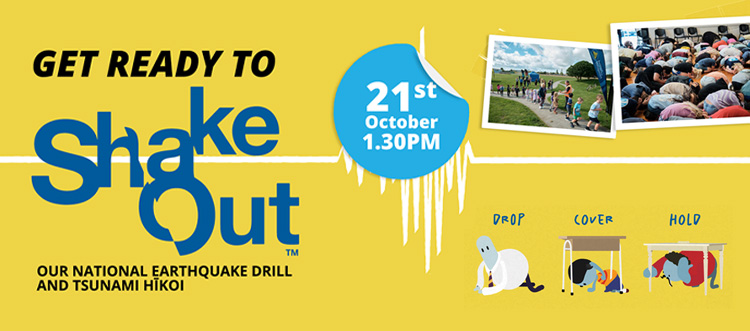
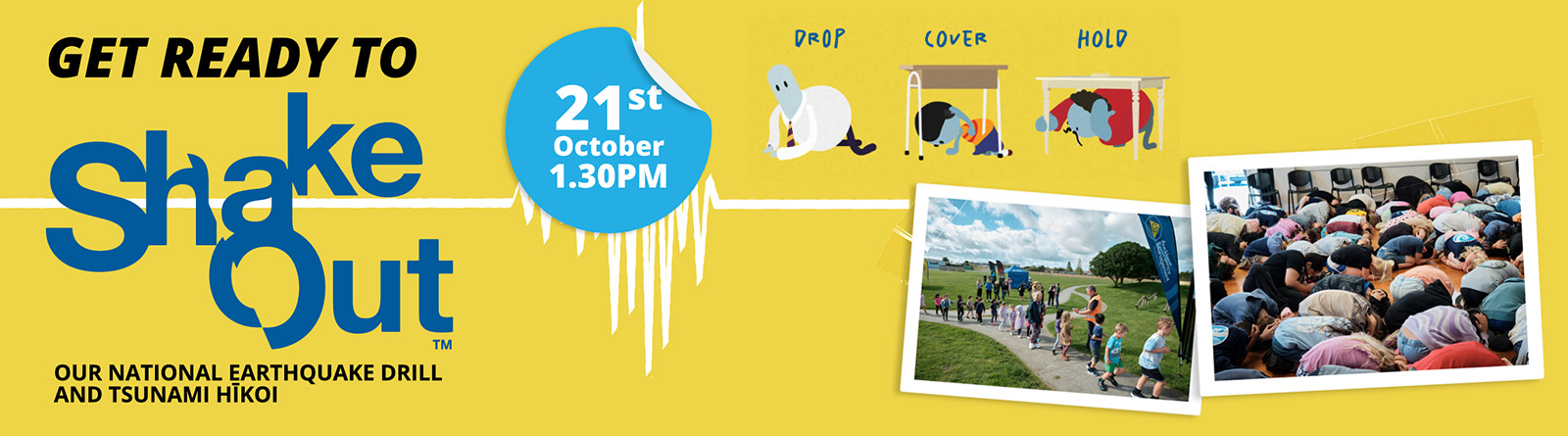
How prepared are you for an emergency? Mitre 10 is participating in National ShakeOut day and at 1.30pm 21 October we’ll be asking customers to stop shopping and participate in a drill. Whether you are instore or at home it’s a great time to plan what you would do in an emergency. To get involved find out more at: New Zealand ShakeOut - Get Ready (NZ Civil Defence) - Emergency preparedness in New Zealand

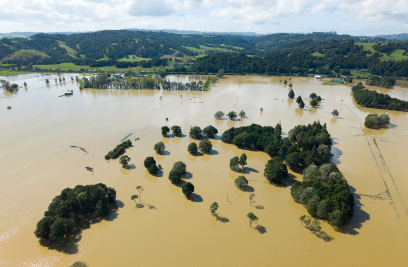
From natural disasters to house fires, when things go wrong, they often escalate quickly. In emergencies, we usually don’t have the luxury of time to make considered plans for where to go, what to do, and how to keep our loved ones safe. The best way to look after you and yours is to have an emergency plan in place already. With any luck, you’ll never have to use it. But if you do, it could prevent the worst from occurring.
We’ve pulled together some resources to help you get prepared for an emergency. While responses should vary based on the situation, there’s plenty you can do that will give you a head start if and when an emergency occurs.
Find your local Civil Defence Emergency Management Group
In emergencies, many community spaces across the country activate to support displaced people. If you need to leave your home, you should check with your local Emergency Management Group about where to find shelter. Make a note of where to get updates from your local group.
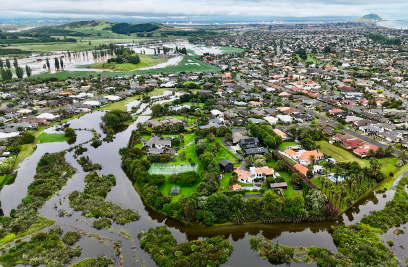
How to make an emergency plan for your family
Here’s how to get everyone on the same page so when the going gets tough, everyone knows what to do to stay safe. It’s best to create a broad plan with some branches that address specific emergency scenarios.
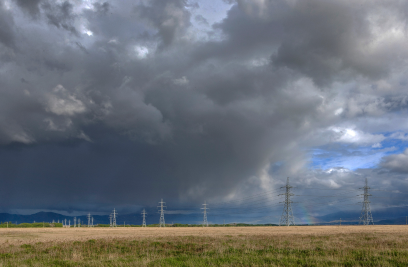
Best emergency preparedness items to have on-hand
From torches to generators to LPG bottles, there’s plenty of items that can come in handy when things go awry. We’re not saying you need to invest in a fully stocked doomsday bunker, but some items can make all the difference in an emergency.
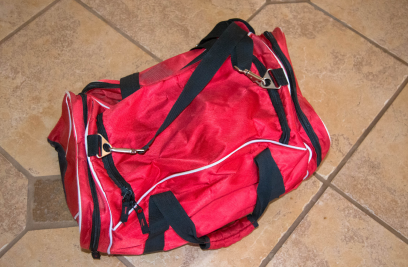
Your emergency grab-bag checklist
If the time comes when you have to leave, you’ll often need to leave in a hurry. It’s a good idea to have a bag of essentials pre-packed and handy to grab on your way out the door. Here’s what you should include.
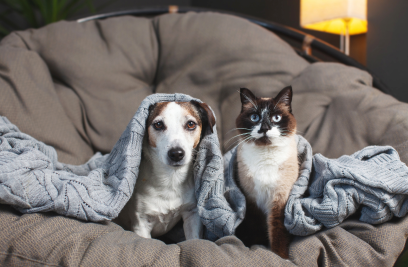
How to prepare your pets for an emergency
Pets are part of the family, so they need to be part of your emergency planning too. A little preparation now will make it much easier to keep them safe, secure and cared for when things don’t go to plan

What to check around the house before a storm
When rough weather is on the way, a little preparation can go a long way. From clearing the gutters to securing anything outdoors that might take flight, here are a few things worth checking before the weather turns.
