shopping_cart0
Your cart is empty
There are no items in your shopping cart


Shop all the latest deals in one place

15% low price guarantee*

Keep your information safe
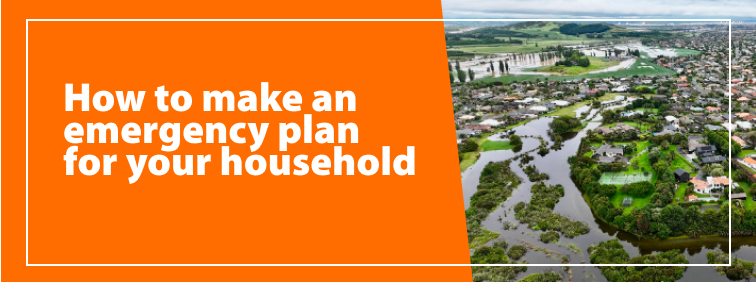

It’s not always easy to think clearly in an emergency. Whether it’s a storm, a flood, an earthquake or something else, when things escalate, it often happens quickly. While it’s nice to think we’ll stay calm and collected in an emergency, what usually happens is that our fight or flight response is triggered and logic goes out the window. That’s why it’s important to have a plan in place before it’s needed, that way you can follow the plan and keep yourself and your loved ones safe.
Of course, not everything that constitutes an emergency will require the same response, but some things won’t change. A good plan can serve you in most emergency situations, especially if you have a few contingencies. The National Emergency Management Agency (NEMA) has an emergency plan template on its getready.govt.nz website which streamlines the process. We recommend using this template to make your plan, but before you get started, there’s a few things to consider.

Your plan needs to include everyone in the house. If you have small children, elderly relatives or people with disabilities, they might need extra support in an emergency situation. Consider everyone’s needs and abilities and plan accordingly. Who will be responsible for wrangling the young ones? And who will help that person with limited mobility?
If you have pets, you should consider them too. If your home or the surrounding area is unsafe for you and your closest humans, chances are your beloved pets are at risk too. If your evacuation plan includes going somewhere pet friendly, make sure you take them, otherwise it’s worth noting down any kennels, catteries and the like that are in your area or on your route.
NEMA’s emergency plan template gives you a printable version you can pop on the fridge, or print enough copies so that everyone in the household has one. Once the plan is made, it’s a good idea to sit down with your family or the people you live with and go through it together. You might even prefer to make the plan as a group, that way you can discuss different options and their pros and cons. Whether you make it together or take them through it, it’s good to revisit it regularly to make sure it’s still fit for purpose and that the contact details are up to date.
It’s always better to be safe than sorry, so taking a little bit of time now to put an emergency plan together could save lives or prevent harm. Use the template at getready.govt.nz and get yours together now.
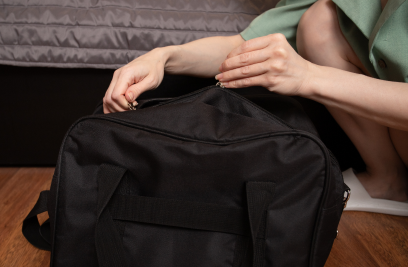
If you need to leave your home, you don’t want to be wandering around the house looking for your essentials. Having a grab bag ready will save you time and make sure you haven’t forgotten anything. As a general rule of thumb, you should have three days' worth of supplies. We’ve compiled a helpful guide to what your grab bag should include.
Before picking up the phone to call, remember that in an emergency, many will be trying to contact emergency services through 111. It’s always better to send a text so the phone lines don’t get clogged up.
If you can’t get hold of the people in your household, it’s a great idea to have an intermediary contact. Better still is one who lives out of town and won’t be impacted by what’s going on to the extent that you are. If you’re a family, this could be one of your relatives or a family friend. In a flatting situation, a mutual friend or nominated member of someone’s family will do the trick. If you can’t get hold of your housemates, contact your intermediary who can try to get in touch with them for you while you focus on the next steps of the plan.
Find your local group here.
This group will be responding to the events as they unfold and will likely be offering support and letting you know where to take shelter if required.
