shopping_cart0
Your cart is empty
There are no items in your shopping cart


Shop all the latest deals in one place

15% low price guarantee*

Keep your information safe


Living in New Zealand, we're no strangers to the odd bout of wild weather. While you can't do much about what's happening in the sky, there are plenty of simple things you can do around the house to help protect your home and make life a little easier if a storm rolls through.
The best time to prepare is well before there's anything ominous appearing on the weather map. Keeping on top of a few regular maintenance jobs means that when severe weather is forecast, you can concentrate on securing your property, checking your emergency supplies and getting everyone safely indoors.
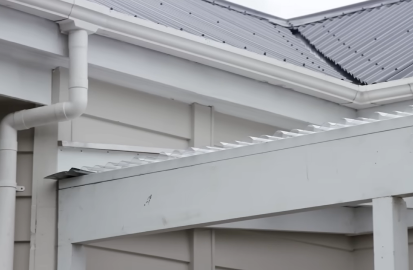
Gutters, downpipes and drains have an important job to do when the heavens open, so make sure water has somewhere to go. Clear out leaves, dirt and other debris regularly, and pay particular attention before heavy rain is forecast.
While you're at it, check external drains around your property and clear anything that could cause a blockage. It's a relatively small job that can help reduce the chance of overflowing water causing problems around your home.
If you're working at height, don't take unnecessary risks. Use the right equipment, follow good ladder safety and leave anything you're not confident doing to a professional.
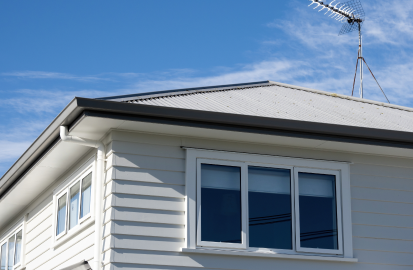
You don't need to climb onto the roof to give it a quick visual inspection. Look for obvious signs of damage, including loose or damaged roofing, tiles and flashings, and get any issues sorted before bad weather puts them to the test.
Check fences for loose boards or sections that might struggle in high winds too.
Trees deserve some attention as well. Damaged, diseased or loose branches can come down during a storm, so regular pruning can reduce the risk. This is another job that's better tackled well in advance rather than when severe weather is already on the way.

When strong winds are forecast, it's time to tidy up outside. Outdoor chairs, tables, umbrellas and other lightweight items should be moved into a garage, shed or another secure location where possible.
If something can't easily be moved, make sure it's properly secured. Don't forget smaller items either – pots, garden tools, toys and loose pieces of timber can all become hazards when the wind gets strong enough.
It's also worth lowering or removing umbrella canopies and packing away cushions, throws and anything else that won't appreciate several hours of horizontal rain.
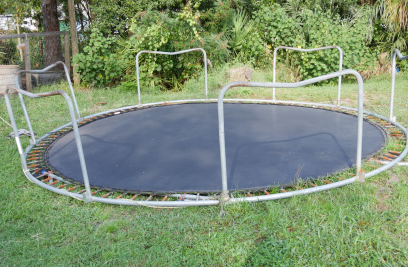
Trampolines are great at getting kids airborne. Unfortunately, sufficiently strong winds can achieve much the same thing with the trampoline itself.
If severe weather is forecast, follow the manufacturer's advice for securing yours. Auckland Emergency Management recommends turning a trampoline upside down to reduce the surface area exposed to the wind. Whatever method you use, the important thing is making sure it can't lift, move around or cause damage during the storm.

Your BBQ, outdoor heater and other larger pieces of equipment might feel heavy enough to stay put, but strong winds can move surprisingly substantial objects.
Store portable equipment somewhere protected if possible, or make sure anything remaining outdoors is stable and secure. It's also a good opportunity to check the rest of the property for firewood, branches, tools or other loose objects that could get picked up by the wind.
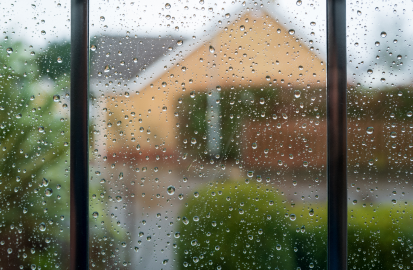
Before the weather arrives, check that windows and exterior doors close and latch properly. When the storm hits, keep them closed to help prevent wind and rain getting inside.
Closing curtains and blinds can also provide some protection from flying glass if a window breaks. Internal doors should be closed during particularly severe weather too.
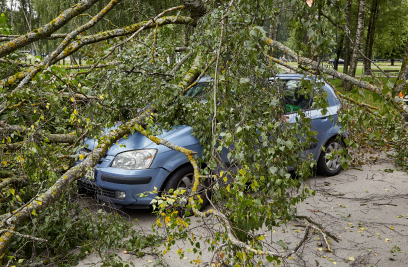
If you've got a garage or carport, use it. Getting your vehicle under cover can help protect it from falling branches, hail and wind-blown debris.
If you're parking outside, take a quick look around before choosing your spot. That enormous tree providing lovely summer shade might not be quite as appealing with gale-force winds blowing through it.

Storms can be frightening and disorientating for animals, so bring pets indoors before the weather gets rough. Keeping them somewhere secure and familiar reduces the chance of them panicking and running away.
If you have livestock or larger animals, make sure they're somewhere appropriate for the conditions and away from hazards such as floodwaters, power lines or isolated trees during lightning.
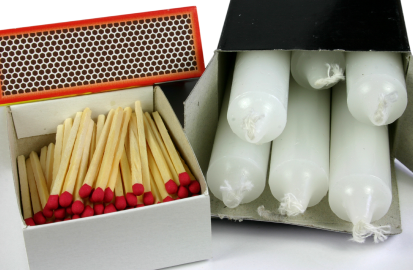
A storm doesn't necessarily mean the power will go out, but it's worth being prepared in case it does. Charge your phones, locate your torches and spare batteries and make sure your emergency supplies are somewhere accessible.
If you rely on electricity for essentials such as pumping drinking water, operating a septic system or powering important medical equipment, make sure you've got a backup plan.
A battery-powered radio is also useful for receiving updates if power or mobile networks are disrupted.
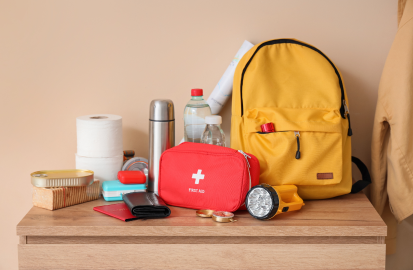
This is a good opportunity to make sure your household emergency kit is ready to go. Check you've got enough food, drinking water and other essentials to manage independently if you're unable to leave home for a few days.
If you've got a BBQ or suitable outdoor cooking equipment as part of your emergency preparations, check you've got enough fuel for it too. Remember that BBQs and other fuel-burning cooking appliances should only be used outdoors in a well-ventilated area, never inside the house or garage.

Most storms will pass without requiring anything more dramatic than staying home and keeping dry, but it's still important to have a household emergency plan.
Pay attention to weather forecasts and official advice, particularly if your area is vulnerable to flooding, slips or becoming isolated. Make sure everyone in the household knows what they'll do if you need to leave, and don't wait until conditions become dangerous before following evacuation instructions.
You don't need to spend every sunny weekend preparing for the next big storm. Staying on top of basic jobs like clearing gutters, maintaining trees and fixing anything loose around the property does most of the groundwork.
Then, when rough weather is actually forecast, it's largely a matter of tidying up outside, securing anything that might move, checking your supplies and getting everyone safely indoors.
After that, there's not much left to do except keep an eye on official updates, stay safe and wait for the weather to do its thing.
