Loading store
Loading store
WishlistStore FinderGift Cards

Interior painting FAQs – your questions answered

Before you dive into your interior painting project, take a look at some of the most common questions asked by Mitre 10 customers. These questions were put directly to paint experts from Resene during a live Facebook chat, so the advice is based on real situations and real DIY challenges.
There were loads of great questions, so we’ve grouped the key topics and expanded on the expert answers to help you feel more confident before you start painting.
RB-Interior-Painting-FAQs-Banner-Desktop.png

Safety and preparation

What are some key safety procedures with paint?

When painting, it’s important to think about both personal safety and the environment you’re working in. Here’s a list of things to remember to keep you and those around you safe:

General Safety:

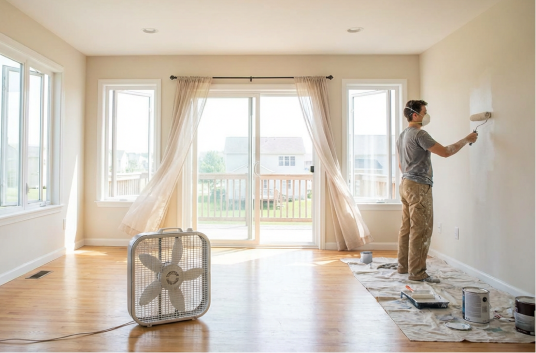
Windows open and fan in the room while painting

Keep the air moving

Open windows and doors wherever you can and use a fan to keep the air moving. This helps reduce fumes and makes for a more comfortable painting experience.

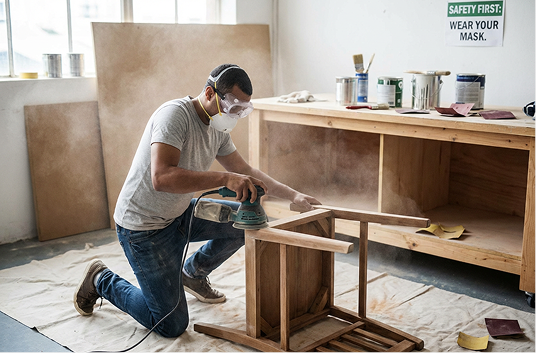
sanding with a dust mask

Protect your lungs when sanding

Before painting, sanding might be needed to prep your surfaces. A dust mask is essential during this step to help avoid breathing in any airborne particles.

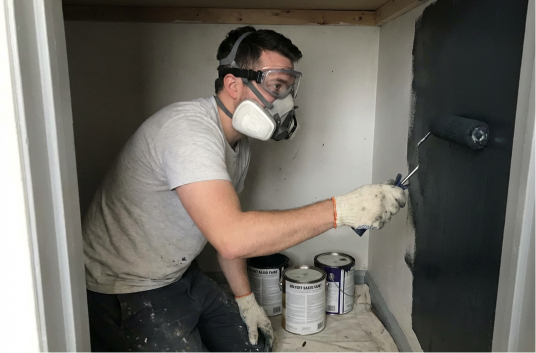
Painting with a respirator

Extra protection for strong fumes

If you're working with solvent-based or heavy-duty paints, or you're in a small room, consider using a respirator for extra protection from paint fumes.

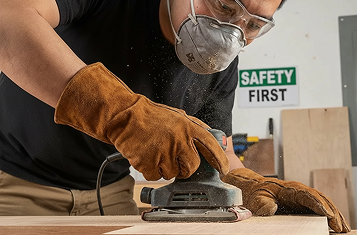
Wearing safety gear while DIY-ing

Footwear and safety gear

Always wear closed-in shoes and basic safety gear like gloves and eye protection. If you’re sanding, make sure to wear a dust mask to avoid breathing in dust and fine particles.

Tool and Product Safety:

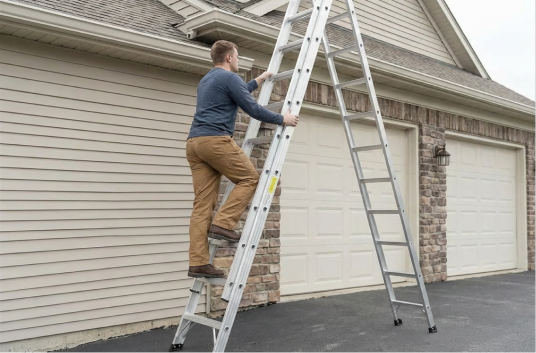
Climbing up a ladder following the safety tips

Ladder safety tips

Only use ladders on flat, stable ground. Keep steps dry and clear of paint, don’t overreach, and always maintain three points of contact.

Storing of solvents correctly

Watch for flammables

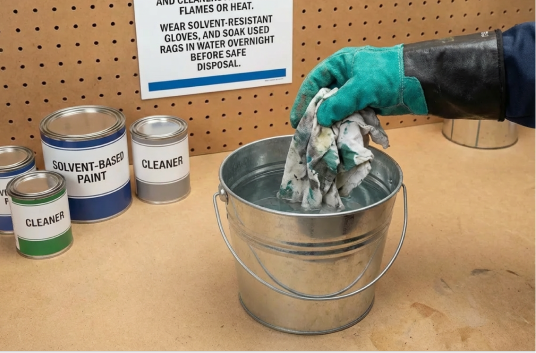
Keep solvent-based paints and cleaners away from flames or heat. Wear solvent-resistant gloves, and soak used rags in water overnight before safe disposal.

Storing paint in it's original container out of sun

Store paint safely

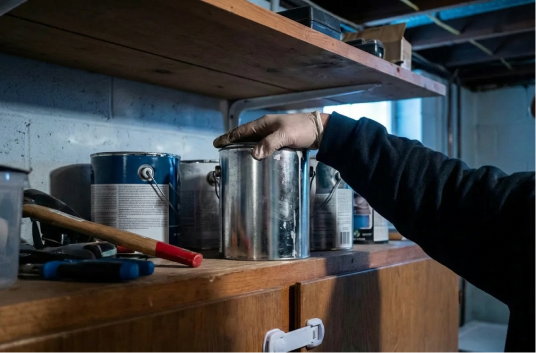
Leftover paint? Seal the original container tightly and store it out of direct sunlight, away from heat, and out of reach of children.

Removing solvents correctly

Dispose of solvents properly

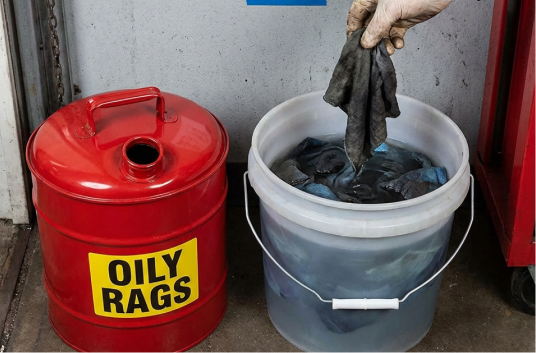
Don’t toss used rags straight in the bin. Always soak oily or solvent-soaked rags in water overnight before disposal to avoid spontaneous combustion risks.

Surface prep

Q: What do I need to apply to wallpaper that I’m going to paint over?

If the wallpaper is already painted, the first step is to clean it down using a mild soapy water solution and a soft cloth. Be sure to let the surface dry thoroughly before you start and avoid using any abrasive cleaning products as they can damage the wallpaper surface and reduce adhesion.
If the wallpaper is vinyl, painting directly over it with standard paint can lead to issues. That’s because plasticisers in the vinyl may leach through the topcoat, leaving it tacky or soft. To get a proper finish, it’s important to seal the wallpaper with a specialist product before painting.

Here’s what the experts recommend:

  • For vinyl wallpaper, apply one coat of Vinyl Wallpaper Sealer first, followed by two coats of Resene SpaceCote Low Sheen.
  • For non-vinyl wallpaper, you can apply Resene SpaceCote Low Sheen directly in two coats, no sealer needed.

If you’re unsure whether the wallpaper is vinyl or not, try testing a small hidden patch first, or ask one of our team members in-store for guidance. Keep in mind that painting over wallpaper is a temporary solution in most cases. If you’re after a long-term finish, removing the wallpaper and prepping the wall underneath is always going to give the best result.

Shop wallpaper accessories
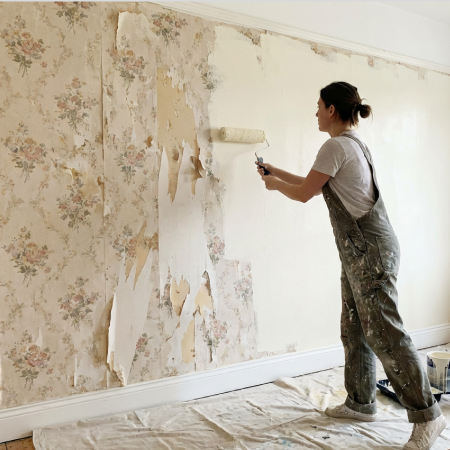
Prepping and painting over wallpaper

Dealing with mouldy ceilings and humidity

Why does mould keep coming back?

If you’re dealing with mould on your ceiling, especially in high-humidity rooms like bathrooms, laundries or kitchens, you’re not alone. Mould is most often caused by excess moisture, poor airflow and a lack of natural sunlight. If paint is chipping away too, chances are your surface is already compromised and needs some prep work before repainting. Here’s how to deal with mould properly and how to stop it coming back.

Q: I’m repainting a ceiling with mould and chipped paint. What should I do?

1. Improve ventilation first
Before picking up a paintbrush, think about airflow. Opening windows is a good start, but for long-term mould prevention, consider installing an extractor fan or using a dehumidifier in damp-prone areas.

Pro tip icon

Safety reminder:

Rooms with low ventilation are more likely to grow mould again, even after repainting.


2. Treat the mould
You’ll need to eliminate mould at the source before painting, or it’ll bleed through the fresh coat. Use a mould killer first.

3. Wash down the surface
Once mould is treated, wash down the surface with a sugar soap solution to remove grease, grime and mould residue. Rinse with clean water and let dry completely before sanding or painting.

4. Repair peeling paint and cracks
Use a scraper or sanding block to remove loose or flaking paint. Fill any cracks with a gap filler or ceiling-specific repair compound. Sand smooth after drying.

Pro tip icon

Safety reminder:

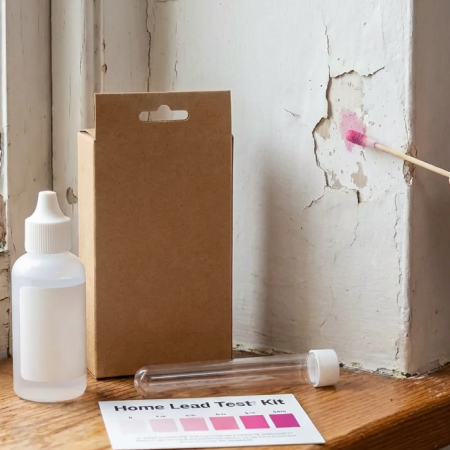
If your ceiling is in an older home, test for lead-based paint before sanding. Lead test kits are available in-store or online.


5. Seal the surface with a primer
Applying a quality primer or sealer is crucial, especially after repairs. This helps the topcoat bond properly and improves mould resistance.

Shop cleaning chemicals
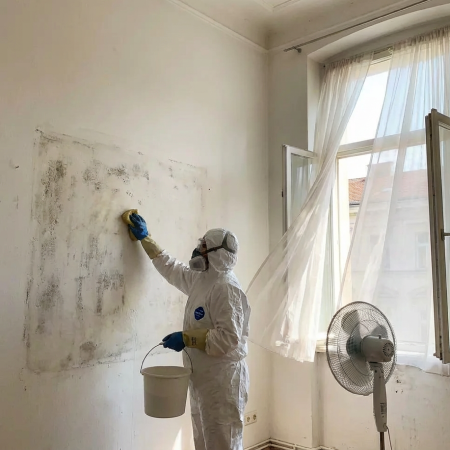
Cleaning mould off the walls

Stripping back to wood

What’s the fastest way to remove paint from timber surfaces?

Removing old paint from wood is one of those jobs where having the right product makes a big difference. If you’re repainting a timber surface like a door, window frame or piece of furniture, a paint stripper is typically the fastest option. There are a few different types of paint strippers on the market, and they each work slightly differently depending on the surface and number of paint layers you're dealing with. Some gel-based products are ideal for vertical surfaces, while others are stronger and better suited to thicker paint removal.

Pro tip icon

Safety reminder:

If you are stripping back older paint, it is important to check whether the surface has previously been painted with lead based paint. Lead paint was commonly used in homes built before the 1970s and requires extra care when removing.
We sell easy to use lead paint testing kits that allow you to check your surface before you start. If lead is present, our team can help you choose safer removal methods and the right protective equipment.


Before you begin, make sure to:

  • Test for lead based paint
  • Read and follow the safety instructions carefully
  • Work in a well-ventilated area
  • Wear protective gear like gloves and eye protection
  • Lay down a drop sheet to protect nearby surfaces

Once the paint stripper is applied, you’ll need to wait for it to work before scraping it off using a paint scraper or similar tool. It’s usually best to work in sections and take your time to avoid damaging the wood underneath. After stripping, sand the surface lightly to prep it for repainting.
If you’re working on small sections like trims or frames, heat guns or sanding can also be used, just be cautious, especially with older painted surfaces that may contain lead.

Shop paint strippers
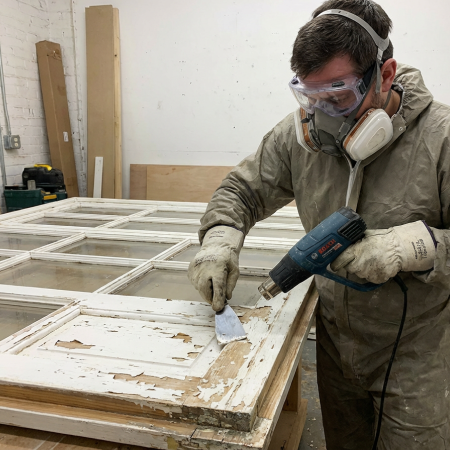
Stripping paint with a heatgun

Choosing interior paint colours

What should I consider when selecting an interior paint colour?

Choosing a colour can feel like the hardest part, but there are plenty of tools to help you decide with confidence. You can explore colour ideas using the Wattyl I.D Colour quiz, try Peel and Stick samples on your walls or test sample pots in your space to see how the colour looks in different light throughout the day.
If you are still unsure, our Colour Satisfaction Guarantee offers extra peace of mind if your chosen colour is not quite right

Here are a few tips from the experts:

  • Room size and light levels matter:A small or poorly lit room will often feel more spacious when painted in a lighter colour like soft whites, warm greys or muted pastels. These reflect more light and help open up the space.
 On the other hand, darker tones like navy, charcoal or forest green can make larger rooms feel cosier and more dramatic.
  • Test your paint at home:Paint can look very different depending on lighting, time of day, and even other colours in the room. That’s why it’s a good idea to grab a sample pot and test the paint directly on the wall or a test board before committing.
  • Use colour to set the mood: Cool tones like blues and greens can create a calm, relaxing feel which are great for bedrooms or studies. Warmer colours like terracotta, ochre or blush add warmth and energy, and can work well in social spaces like living areas or kitchens.
  • Be consistent across connected rooms: If your space flows from room to room, try sticking to a limited palette so everything feels cohesive. Even just varying the tone (lighter or darker) can make a big difference without clashing.
  • Think about the finish:
Shop paint Shop paint picker
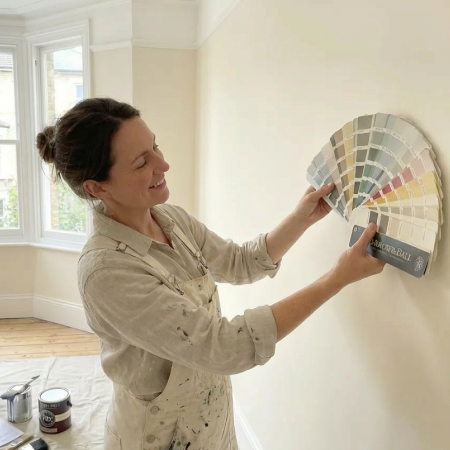
Selecting paint colours

Bubbles and blistering

Q: Why are bubbles appearing on my weatherboards after painting?

This is a common issue that typically comes down to surface preparation and not necessarily the paint itself. Bubbles (also known as blistering) form when there’s poor adhesion between the surface and the paint. They trap air or moisture under the surface and can lead to cracking or peeling if not addressed.

Here’s what could be causing it:

  • Poor surface prep: If the surface wasn’t cleaned properly before painting, for example, if sanding dust was left behind, it creates a barrier between the paint and the timber.
  • Painting over damp surfaces: Moisture in the timber or in the air during painting can cause bubbling as the paint tries to dry.
  • Missing or incorrect primer: Bare timber or previously damaged surfaces need to be properly primed. Skipping this step or using the wrong primer increases the chance of adhesion failure.
  • Sap bleed: Some timbers (like pine) contain natural sap or tannins that can push through paint layers and cause bubbling or discolouration, especially if darker colours are used which absorb more heat.

How to fix it:

  • Scrape off any bubbling or flaking paint with a scraper or wire brush.
  • Sand back the affected area to smooth the edges and remove any residue.
  • Prime the bare surface using a suitable sealer or primer recommended for your timber type.
  • Repaint using a high-quality exterior paint, ideally in a lighter colour if sap bleed is a concern.
Shop primer
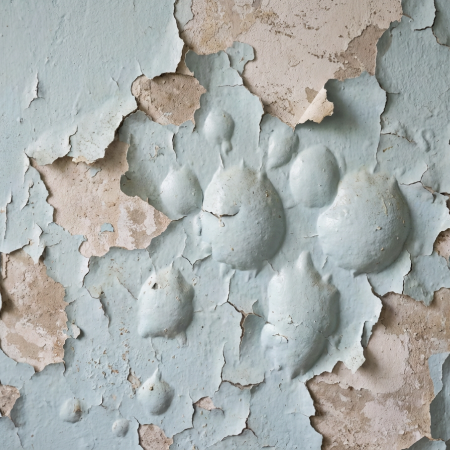
Painting blistering off wall

Lead-based paint

Q: What’s the best way to test for lead in old paint?

If your home was built before the 1980s, there’s a chance the paint used may contain lead. Before sanding, stripping or repainting any older surfaces, it’s essential to know what you’re dealing with for both your health and safety and for the people around you. You can easily check for lead using a lead paint test kit, available in-store. These kits are simple to use, non-toxic, and give you fast results.
If lead is detected, you’ll need to take extra precautions before removing or painting over it. Lead dust or flakes can be harmful if inhaled or ingested, especially for children and pets.

What to do if lead is present:

  • Don’t dry sand or use heat guns as these can release lead dust into the air.
  • Wet sand or chemical strip, these safer methods reduce dust.
  • Seal off the area if you’re removing lead-based paint indoors.
  • Dispose of waste carefully, you can check local council rules or ask us in-store for safe disposal tips.

If you’re unsure, always consult the WorkSafe NZ guidelines or speak to a professional painter for advice.

Lead test kit

Painting on plaster walls

Q: How do I paint on plaster for a long-lasting finish?

Getting a professional-looking, durable result on plaster walls starts with proper prep and every step matters. Whether you're working with new plaster or repainting older surfaces, how you prepare the surface will directly impact how well your paint holds up over time, especially in rooms exposed to moisture or temperature fluctuations.

Step 1: Repair and clean Start by inspecting the plaster surface carefully. Look for any hairline cracks, flaky areas, dents, or old paint that may be lifting. These should be filled with a suitable filler and sanded smooth once dry. Dust off any sanding residue, and wash the walls with sugar soap or a mild detergent solution to remove grease, dust, and contaminants. Then allow the surface to dry fully.

Pro tip icon

Helpful tip:

If there’s any sign of old water staining or damp patches, make sure the underlying cause is resolved before you continue. Applying paint over moisture can lead to blistering or mould problems later on.


Step 2: Prime the surface Bare plaster is highly porous and will absorb paint unevenly if not sealed first. That’s why priming is crucial, it locks down the surface and ensures your top coats stick properly, with even coverage and colour depth.

  • Resene Sureseal is a specialist pigmented sealer designed for new or repaired plaster surfaces. It penetrates into the plaster, hardens it, and prevents patchiness, making it ideal for use before top coating.
  • For older or previously painted plaster, a general-purpose sealer may suffice, you can always ask a team member in-store to help assess your wall condition and get personalized advice.

Step 3: Apply your topcoats Once primed and fully dry, you’re ready to paint. Two coats of a high-quality, water-resistant acrylic paint will help ensure long-lasting durability, especially in high-moisture areas like bathrooms or kitchens.

  • Resene X-200 is a flexible, breathable acrylic membrane designed to resist cracking and moisture, while traditionally used on exteriors, it’s also suitable in high-moisture interior spaces that need extra protection.li>
  • Alternatively, choose a top-quality interior wall paint with mould resistance built-in, like Resene SpaceCote Low Sheen.

Pro tip icon

Want a smooth finish?

Use a 10–12mm roller nap for most walls. Go smaller (6–8mm) for finer results on very smooth plaster or feature walls.


Shop paint accessories
Electric Heaters

We’re here to help with every project

Whether you’re tackling a full interior repaint or just freshening up a feature wall, Mitre 10 is here every step of the way. From expert advice and quality products to colour help and prep tools, we’ve got everything you need to make your vision happen.
Pop into your local store or explore our range online We're here to help you feel confident in every brush stroke, every coat and every choice.