Dealing with mouldy ceilings and humidity
Why does mould keep coming back?
If you’re dealing with mould on your ceiling, especially in high-humidity rooms like bathrooms, laundries or kitchens, you’re not alone. Mould is most often caused by excess moisture, poor airflow and a lack of natural sunlight. If paint is chipping away too, chances are your surface is already compromised and needs some prep work before repainting.
Here’s how to deal with mould properly and how to stop it coming back.
Q: I’m repainting a ceiling with mould and chipped paint. What should I do?
1. Improve ventilation first
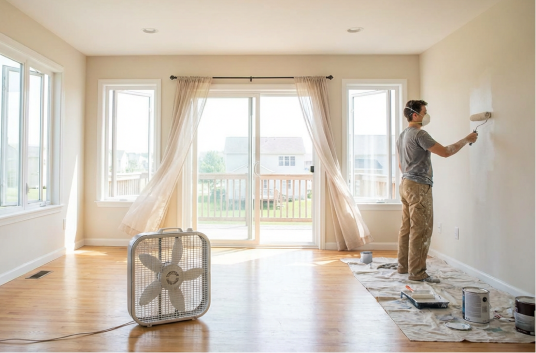
Before picking up a paintbrush, think about airflow. Opening windows is a good start, but for long-term mould prevention, consider installing an extractor fan or using a dehumidifier in damp-prone areas.
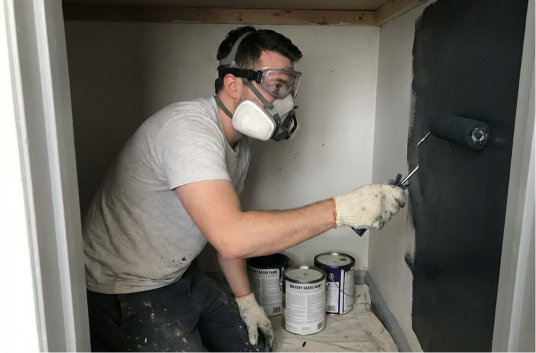
Safety reminder:
Rooms with low ventilation are more likely to grow mould again, even after repainting.
2. Treat the mould
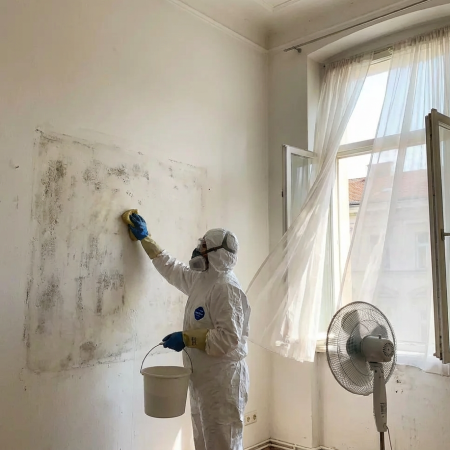
You’ll need to eliminate mould at the source before painting, or it’ll bleed through the fresh coat. Use a mould killer first.
3. Wash down the surface
Once mould is treated, wash down the surface with a sugar soap solution to remove grease, grime and mould residue.
Rinse with clean water and let dry completely before sanding or painting.
4. Repair peeling paint and cracks
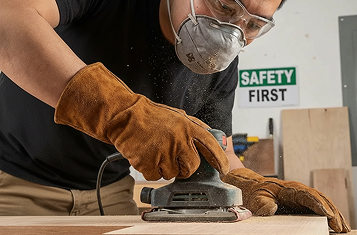
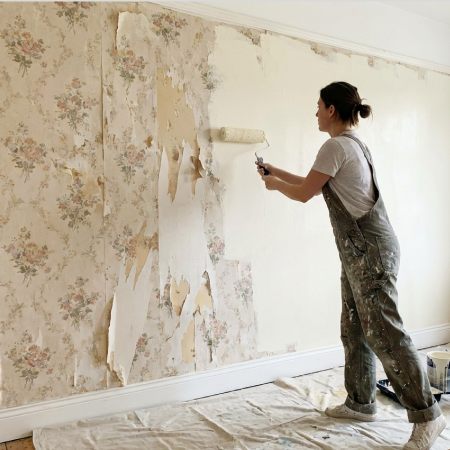
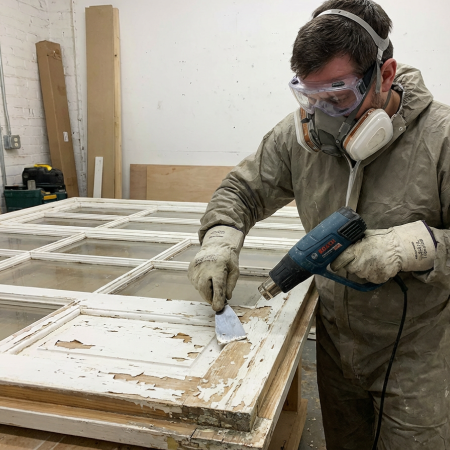
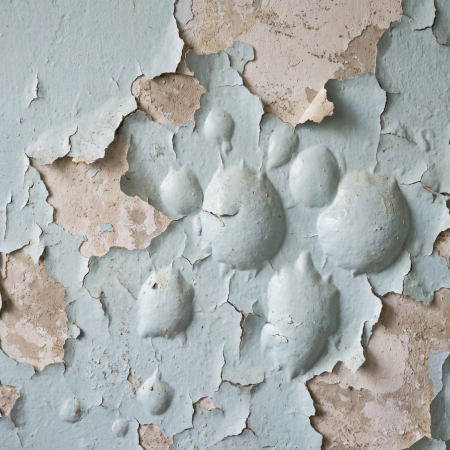
Use a scraper or sanding block to remove loose or flaking paint. Fill any cracks with a gap filler or ceiling-specific repair compound. Sand smooth after drying.
Safety reminder:
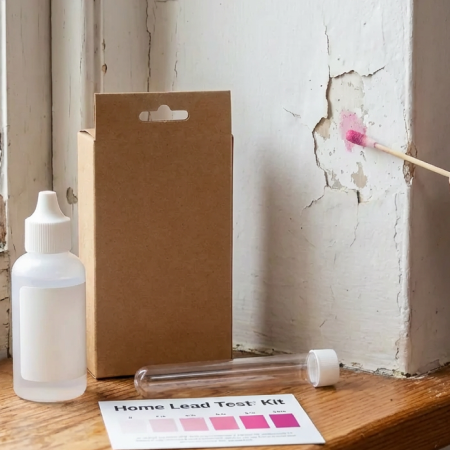
If your ceiling is in an older home, test for lead-based paint before sanding. Lead test kits are available in-store or online.
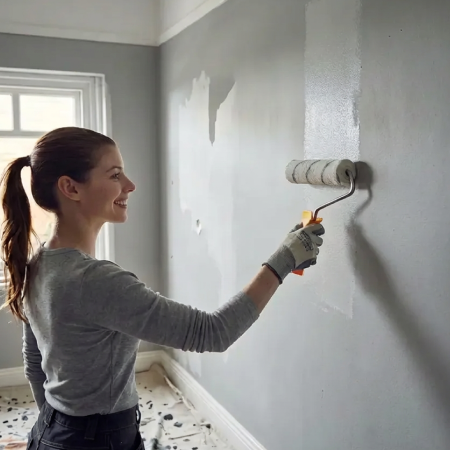
5. Seal the surface with a primer
Applying a quality primer or sealer is crucial, especially after repairs. This helps the topcoat bond properly and improves mould resistance.
Shop cleaning chemicals