shopping_cart0
Your cart is empty
There are no items in your shopping cart


Shop all the latest deals in one place

15% low price guarantee*

Keep your information safe

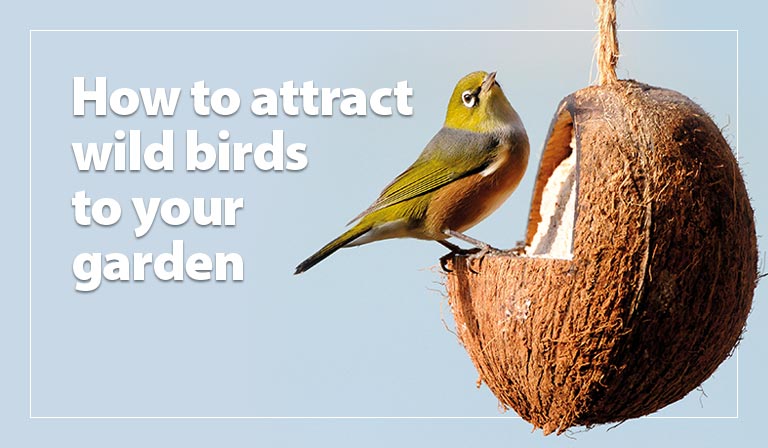
New Zealand’s native birds and native plants live together in harmony. The plants provide the birds with nourishment and shelter and in turn, the birds spread native seeds so they can propagate. Establishing a few native plants in your garden will attract a wide variety of birdlife, who will be more than happy to become regular visitors. The best natives to plant are:
Coprosma is one of the best natives to bring birds into your garden. It grows berries and attracts insects, making it an epic feast for birds in your area. Wherever you find coprosma, you’ll find native birds. Better yet, coprosma is easy to grow and very cold hardy.
The iconic cabbage tree is a prolific producer of flowers, nectar and berries. It’s essentially a three-course meal for birds, and they can’t get enough. Cabbage trees can reach heights of up to 20 metres, so make sure you plant them wisely.
Another truly iconic New Zealand plant, flax varieties that produce red flowers are an absolute favourite of Tui and Bellbirds, but they will also be drawn to the delicious nectar. Flax is a great option for bringing avian visitors to your place through the summer months.
Kererū, tūis and bellbirds will flock to a kowhai tree to feast upon the bright yellow flowers’ nectar. Kereru are also known to graze on the young foliage (don’t worry, it’ll grow back) and it’s not uncommon to see plump Kereru sitting in your kowhai tree, letting their stomach settle before going in for a second helping.
Wineberry grows incredibly quickly, and it produces large amounts of berries that birds can’t get enough of. It attracts a huge variety of birds as well, so you may even get some less common breeds dropping by for a bite. An incredibly attractive shrub, wineberry is also a great way to add some colour to your garden.
Tūī, bellbirds and silvereye will be attracted to the fruit and berries that fuchsia produces. The kōtukutuku is deciduous and will lose most of its leaves through winter, but every summer it will bring back a whole host of birdlife.
Hebes produce delicious flowers but the real attraction is that they’re a haven for insects which will attract bellbirds, fantails and silvereyes. The flowers of this low growing native aren’t just tasty, they’re beautiful, and being a relatively low maintenance plant, hebes are fantastic for bringing in the birds.
A bird’s natural diet is dependent on the availability of food and varies between seasons. Adjust backyard offerings depending on the season.
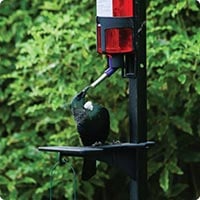
During summer, birds have lots of natural food available to them. Tūi, bellbirds and other nectar feeders will be out in full force.
In areas with few flowering natives like kōwhai, pohutukawa or flax, put out a Nectar Nutra Feeder and keep it topped up with Topflite’s nectar mix or sugar water. Leaving bits of ripe fruit nearby is a good idea too.
You should still keep seed feeders topped up with Wild Bird Seed Mix so they remember it as a regular food source for the leaner months.
This is the season for ripe fruit, so birds like the kererū will be very active. Leaving fruit out near (or in) the feeder will also attract tūi, bellbirds, silvereyes as well as kākā and hihi if there are any living in your area..
When temperatures start to drop, birds will look further afield for food. Top up your seed feeders to let the birds know that it’s a regular food source. It can take a while for them to find it. In late autumn put out Energy Food as birds will soon need the extra fat and protein.
Like everyone else, Birds are at their coldest during winter and will need more energy than usual to survive. They search out rich sources of fat and protein to sustain them until natural food starts appearing again in spring.
Vegetable fats provide the energy they need to keep warm and make the next flight. Put out Wild Bird Energy products and keep them topped up. Small birds like silvereyes will visit often.
The seed eaters will also be on the look-out for a feed. Our Wild Bird Seed Mixes are mostly grown in New Zealand so the nutritional value is much higher than that of imported seeds. And for nectar-feeding natives, keep that sugary nectar water mix topped up.
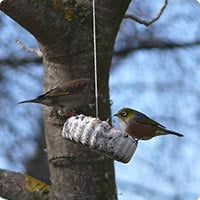
Food is still scarce after the winter so continue putting out Wild Bird Seed Mix. Put out Energy food in the first few weeks, especially in areas prone to spring frosts. Those essential fats will get them prepped for mating season.
Birds love mealworms in spring, especially the insect eaters like the pīwakawaka and welcome swallow. Mealworms are beetles at the larval stage and are an excellent source of protein.
Always provide fresh water and clean the feeding area regularly to stop birds getting ill. Never put out mouldy or stale food, cooked porridge or salty food.
Feeding wild birds takes a little bit more than just putting out seed. To make sure the birds are getting a good, nutritious feed that they’ll keep coming back for, you’ll need to use your garden feeder correctly. Here’s a few tips:
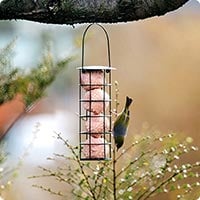
Hanging feeders are a popular option because they’re easy to set up, but it’s important to position them in the right place to invite birds to feed. It’s best to hang them high off the ground where cats can’t reach them. You’ll also want to hang it out on a limb of the tree rather than close to the trunk, as birds will also be wary of climbing predators such as stoats, ferrets and possums. A position that gets some sun is good, but avoid any area subject to strong winds. You should also aim to place the feeder in a quieter part of your garden, away from the road or other sources of noise. You may need to try a few different places before you find one where the birds feel safe.
It’s important to clean your feeder regularly because birds are messy eaters. Partially eaten food can clog up your feeder and transmit diseases to other visiting birds. Plus, droppings. There will always be droppings. Giving your feeder a clean every few days will keep the seed flowing and the birds interested.
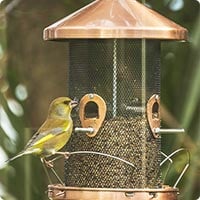
Keep your seed topped up all year round. Your feeder will be most useful to birds during winter when other food sources become scarce, but the same thing happens during long hot summers. If there is always seed in your feeder, birds will know they have a reliable food source available when they need it.
You might be concerned that with a constant food source available, birds will become dependent on your feeder for survival. Don’t worry about this - birds don’t rely on humans for food, your feeder will supplement their natural diet, but not replace it.
Not all bird seed is created equally, so it’s important to choose a high quality local seed that will be both tasty and nutritious for the birds. Lower quality seed mix often includes imported ingredients as well as cereals and fillers, and our native birds just won’t eat it. Instead, they’ll cast them aside, making a big mess around your feeder and wasting your money. A New Zealand-grown seed mix is the best way to go.
Many of us grew up feeding bread to birds, but it actually has very little nutritional value for them. Bread is for birds what lollies are to us humans - a lovely treat but not a whole meal. It’s okay to give birds a bit of bread from time to time, but make sure it’s not the only food you’ve made available to them.
Good drinking water can be harder for birds to find than you’d think. Put a big dish or bowl of water out for them and they’ll appreciate having a place to get a drink and go for a dip. Make sure you change the water regularly to keep it fresh and free of any contaminants or bugs.
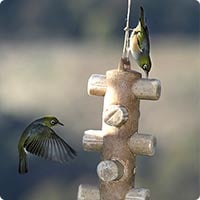
Every bird species has its own unique diet and preferences. Certain feeders will attract certain breeds, and to get the best variety of visitors to your garden you should try a couple of different feeders. Open seed feeders will attract finches and sparrows. Energy cakes and truffles can bring tahou (silvereyes), thrush and yellowhammers to your garden. A nectar feeder is a fantastic draw for the tui and korimako (bellbird). Putting some mealworms or fresh fruit near your feeder will also add some flavoursome variation for your visitors.
