Loading store
Loading store
WishlistStore FinderGift Cards

Everything you need to know about operating a wall heater

Wall heaters are a popular and practical choice for New Zealand homes. Whether you are considering a panel heater for a bedroom or a ceramic wall heater for a living area, this guide covers types, sizing, running costs, safe operation, and how to get the most warmth from your wall heater this winter.
Key takeaways

  • Panel heaters suit quiet background warmth in bedrooms and studies. Ceramic models heat faster and suit living areas where responsive warmth matters.
  • Using a thermostat consistently is the single most effective way to manage wall heater running costs.
  • Plug-in panel heaters require no electrician. Fixed hardwired models require installation by a registered electrician.
  • Wall heaters are more expensive to run than a heat pump but a practical entry point for renters, supplementary rooms, or smaller budgets.

Types of wall heater and how they work

Most electric wall heaters use convection to warm a room. Cool air enters the base of the unit, passes over a heated element, and rises as warm air into the room. This circulation repeats continuously to build and maintain room temperature.

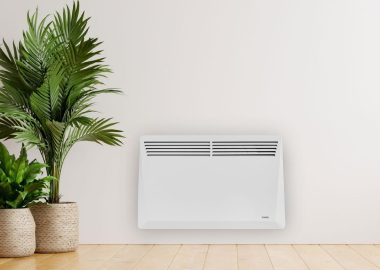
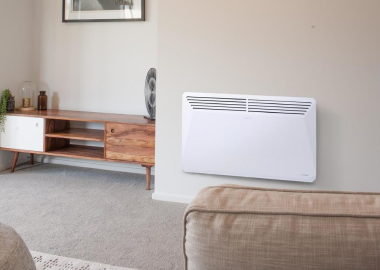
  • Panel heaters are the most common wall heater type in New Zealand homes. They mount directly to the wall, take up no floor space, and heat a room through a combination of convection and radiant output. Most models operate silently, making them well suited to bedrooms and studies. Panel heaters work best for consistent background warmth in regularly occupied rooms.
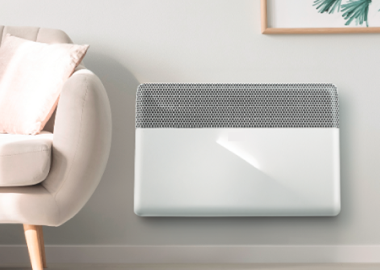
  • Ceramic wall heaters use a ceramic heating element to produce warmth quickly and efficiently. They heat up faster than standard panel heaters and often include WiFi connectivity, remote control, and adjustable timers. Ceramic models suit living areas and rooms where you need responsive warmth rather than slow background heat.

All wall heater types use a thermostat to regulate temperature. Once the room reaches the set temperature, the thermostat cuts power to the element. This cycling behaviour is what makes thermostat use so important for managing running costs.

Pro tip icon

Choosing between panel and ceramic:

If you need quiet overnight warmth, go for a panel heater. If you want fast heat for a living area you use for a few hours each evening, a ceramic model heats up more quickly and often has smarter controls.

Shop panel heaters
Types of wall heater and how they work

Sizing your wall heater and what it costs to run

Matching wattage to room size ensures the heater reaches and holds a comfortable temperature without running continuously at full power.

  • Up to 10 square metres (small bedroom, study, or hallway): 900 to 1,200 watts
  • 10 to 20 square metres (standard bedroom or medium living area): 1,500 to 2,000 watts
  • 20 to 30 square metres (large living room or open-plan space): 2,400 watts

Rooms with poor insulation, high ceilings, or draughty windows need more wattage to compensate. If your home lacks ceiling or underfloor insulation, step up to the next wattage range.

What does a wall heater cost to run in New Zealand?

Based on New Zealand's national average electricity rate of approximately 39 cents per kWh in 2026, a 900W panel heater costs around 35 cents per hour to operate. A 2kW wall heater costs approximately 78 cents per hour, and a 2.4kW model costs around 94 cents per hour.

Wall heaters are more expensive to run than a heat pump but comparable in running cost to most other electric heating options. Using the thermostat consistently is the most effective way to manage costs: set it to the lowest comfortable temperature and let it cycle the element rather than running at full output for extended periods.

Pro tip icon

Thermostat target temperatures:

Set your wall heater to 18 to 20 degrees Celsius for living areas and 16 to 18 degrees for bedrooms. Running on thermostat control rather than full output reduces actual power draw significantly across a full winter season.

Sizing and running cost for wall heaters

Safe operation and installation of wall heaters

Wall heaters with overheat protection and a thermostat are safe to leave on for extended periods, including overnight. The thermostat prevents the unit from running continuously at full output, and the overheat protection shuts the heater down automatically if the internal temperature exceeds safe limits.

To operate a wall heater safely at all times:

  1. Keep at least one metre of clear space in front of and below the heater
  2. Never hang clothing, towels, or curtains over or near the unit
  3. Avoid running the heater from an extension cord or power board
  4. Check that the wall bracket is secure and the unit sits flush before each winter season
  5. Do not block the air intake or outlet grilles with furniture or objects

Do you need an electrician to install a wall heater?

Plug-in panel heaters that connect to a standard wall socket require no professional installation. Mount the bracket, hang the unit, and plug it in. Fixed wall heaters that hardwire directly into your home's electrical system require installation by a registered electrician. Specific wall heaters with an IP44 rating or higher can be installed in bathrooms, but always require a licensed electrician.

Safe operation and installation of wall heaters

Getting the most from your wall heater, and how it compares to a heat pump

Getting the most warmth from a wall heater without pushing up your power bill comes down to consistent habits.

  • Use a timer to pre-heat a room 15 to 20 minutes before you need it rather than arriving to a cold space and pushing the heater to maximum to compensate.
  • Keep the door of the room you are heating closed so warmth does not escape into unoccupied areas of the home.
  • Close curtains at dusk in rooms where you use the heater daily to slow heat loss through windows significantly.

Wall heaters vs heat pumps

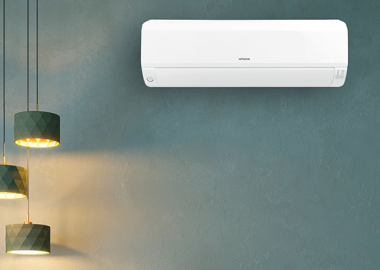
Heat pumps are the most cost-effective long-term heating solution for most New Zealand homes. A heat pump generates up to three units of heat for every one unit of electricity it consumes, which means running costs are substantially lower than any electric wall heater.

A wall heater is a more accessible entry point for renters, those heating smaller rooms, or homeowners who need supplementary heating in a room the heat pump does not reach.

Pro tip icon

Efficiency tip:

If you have a heat pump in your main living area but a bedroom that feels cold, a plug-in panel heater makes the most sense for that room as a supplement rather than running the heat pump all the way through the house.

Shop wall and panel heaters
Wall heater efficiency tips and comparison to heat pumps

Browse wall heaters and panel heaters at Mitre 10

From plug-in panel heaters for a bedroom to hardwired ceramic heaters for your living area, Mitre 10 stocks a full range of wall heating options to suit every room size and budget.

Shop panel heaters