shopping_cart0
Your cart is empty
There are no items in your shopping cart


Shop all the latest deals in one place

15% low price guarantee*

Keep your information safe

Wooden Hanging Parasol Umbrella
Product Recall - Wooden Hanging Parasol Umbrella - find out more
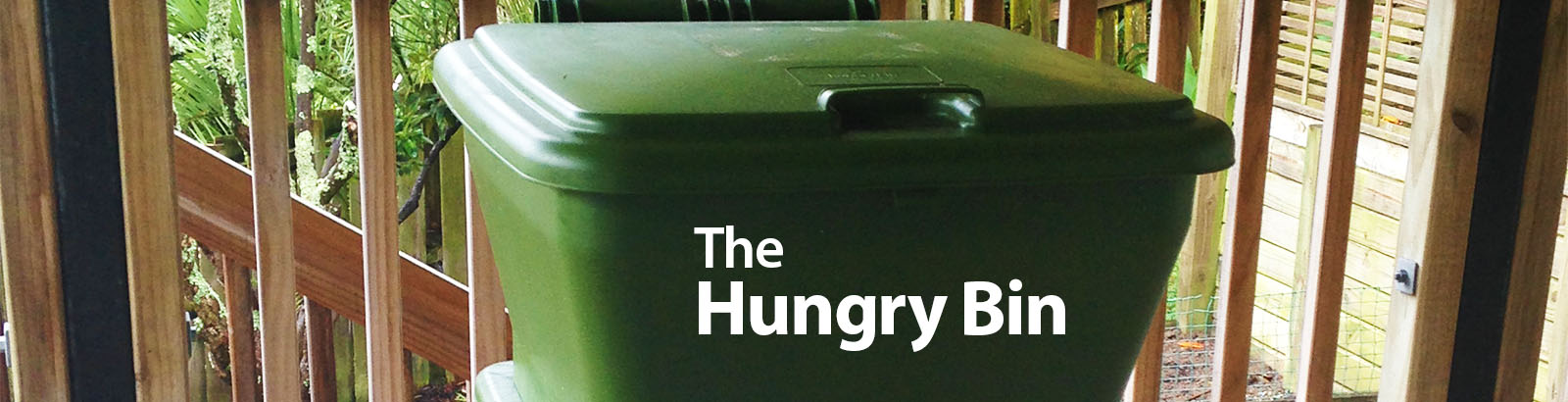

I started using a Hungry Bin Worm Farm in August last year. I was really interested in the concept of worm farming because I had heard that this was a way to turn all the goodness from my food scraps into garden fertiliser instead of paying for it to be trucked away to the dump – or sending it down the waste disposal.
I was pleasantly surprised with how simple it was to set up – a bag of potting mix and a couple of boxes of tiger worms and we were ready to go.
I found that the best place for me to keep my Hungry Bin was handy to the garden that I’d be watering with the worm tea. I keep a plastic storage box under the sink to collect vegetable scraps and every second or third day I empty it into the Hungry Bin. I keep a garden fork by the Hungry Bin and give the old food scraps a bit of a rake before I empty the new stuff in – but I don’t think that’s even necessary. It just gives me a chance to look at the worms – I’ve grown kind of fond of them!
The Hungry Bin is great because all I have to do is empty the scraps into it and the worm tea automatically comes out the bottom and collects in the tray. About every three months I can undo the bottom of the bin and take out the worm castings (that’s the soil like residue that collects at the bottom of the bin – it’s like black gold for plants). There are other worm farms available but I think they have layers you have to lift out and move more frequently. The Hungry Bin is tapered so that job is done for you.
It took about five weeks before I started seeing worm tea. I’ve been using it primarily on my fruit and citrus trees and they’re looking really green and bushy. My best result has been with the worm castings. I dug those in to the potting mix for a new raised garden bed and planted herbs in it – the herbs took off so fast! I am about to plant some lettuce and broccoli seedlings this weekend using the castings again.
It takes me almost no time at all to put the scraps in the bin, or take out the worm tea and dilute it for watering my trees – so it’s incredibly easy and yet I can feel really good that we’re not wasting food.
The worm farm can handle more than food scraps, you can also put in garden clippings, pulled weeds, shredded napkins or paper and so on.
I don’t put in meat or bread scraps – although the worms will eat them, they could encourage birds or cats to get interested. I also choose not to put in citrus peel – although you can - because I found I have enough food scraps without those, and too much citrus does seem to upset the worms. Last year my kids had decided to put a lot of fallen grapefruit in and the hungry bin got too acidic. It was easy to tell because there were new tiny little white worms in there. I read the manual and apparently they’re a type of worm that turns up when conditions get acidic. They weren’t gross at all, but they compete with the good tiger worms so it was best to get rid of them. All I had to do was sprinkle some lime in and they disappeared within a couple of days.
Fibrous materials like paper or brown woody plant clippings helps neutralise the acidity which can occur if you’re putting in a lot of green material. (We eat a LOT of green vegetables) Once I realised that my bin had been a bit acidic I started putting in some dead brown leaves from our magnolia tree every few weeks and that has done the trick.
The worm population seems to be self-regulating. It will grow to suit how much you feed it (although one worm bin can probably only hold enough worms to deal with a domestic level of usage) We went on holiday for three weeks last year and the worms were fine without being fed over that time, just a bit slower going through the scraps when we got back.
Probably one of the biggest benefits from my point of view is that it has encouraged me to get back into gardening again – I had been really lax in recent years. The worm tea and worm castings make you feel like your gardening efforts are going to be successful and that’s given me the motivation to work on a new vegetable garden.
For more information, check out the Hungry Bin website.