Loading store
Loading store
WishlistStore FinderGift Cards

Everything you need to know about operating gas heaters

Gas heaters remain one of the most popular heating options across New Zealand homes. They warm a room quickly, run on LPG or natural gas, and suit a wide range of spaces. But using a gas heater correctly matters just as much as choosing the right one. This guide covers safe operation, ventilation, carbon monoxide awareness, and everything else you need to know before you switch one on.

Key takeaways

  • Flued gas heaters are the safest indoor option, directing combustion gases outside through a vent or chimney.
  • Un-flued portable LPG heaters require consistent ventilation during use and should not be used in bedrooms or bathrooms.
  • Carbon monoxide is colourless and odourless. Install a CO detector in any room where a gas heater operates.
  • Any fixed gas heater installation in New Zealand requires a registered gasfitter by law.

Flued vs un-flued gas heaters: what is the difference?

The most important distinction when choosing a gas heater for indoor use is whether it is flued or un-flued.

  • Flued gas heaters connect to a flue or chimney that carries combustion gases outside your home. This produces cleaner indoor air, reduces condensation on walls and windows, and lowers the risk of carbon monoxide build-up. Flued heaters require installation by a registered gasfitter in New Zealand and suit permanent, whole-home heating.
  • Un-flued gas heaters, including portable LPG cabinet heaters, release combustion byproducts directly into the room. These need no fixed installation, making them practical for renters or portable warmth. However, they add moisture to the air and require consistent ventilation during use.

For long-term home heating, a flued gas heater delivers better air quality and greater peace of mind. For portable use in a well-ventilated space, an un-flued LPG heater can work well if operated correctly.

Pro tip icon

Key rule for un-flued heaters:

Always keep at least one window open when operating an un-flued gas heater. Internal doors should also stay open so fresh air moves freely through the home. Closing a room to retain warmth while running an un-flued heater creates a serious health risk.

Shop gas heaters
Flued vs un-flued gas heaters difference

Carbon monoxide and ventilation requirements

All gas heaters produce carbon monoxide as part of the combustion process. In a well-maintained heater used with adequate ventilation, carbon monoxide levels stay within safe limits. Problems arise when combustion gases accumulate in a sealed or poorly ventilated space.

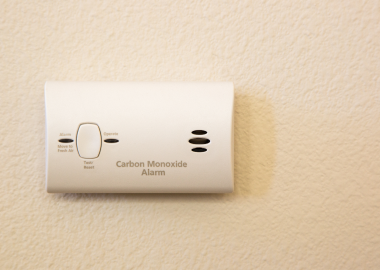
Carbon monoxide has no colour and no odour. Installing a carbon monoxide detector in any room where you run a gas heater is one of the most important steps a homeowner can take.

Outdoor heaters indoors: Never bring outdoor gas heaters inside. Patio heaters, camping cookers, and barbecues lack the safety mechanisms that shut off gas flow when oxygen levels drop indoors. Carbon monoxide can reach dangerous concentrations very quickly in a closed room.

Where should you not use a gas heater?

Un-flued gas heaters should not be used in bedrooms or sleeping areas, bathrooms and laundries, small rooms with limited natural airflow, or any space where children sleep or spend extended periods.

Flued heaters installed by a registered gasfitter work well as permanent heating in most rooms throughout the home.

Safety tip icon

Install a CO detector:

Carbon monoxide detectors are available at Mitre 10 and are one of the lowest-cost, highest-impact safety additions you can make to any home that uses gas heating.

Carbon monoxide safety and gas heater ventilation

Connecting an LPG cylinder and recognising warning signs

Before connecting a new or refilled LPG cylinder, inspect the regulator and hose for cracks, kinks, or visible wear. Replace any damaged components before use. Connect the regulator to the cylinder valve firmly, following the steps in your heater's manual.

Once the connection is secure, apply soapy water to the join and turn on the cylinder valve slowly. Bubbles forming at the connection point indicate a gas leak. Close the valve immediately and contact a qualified LPG service agent or gasfitter before using the heater.

Never test for gas leaks with an open flame. Store LPG cylinders upright in a well-ventilated area away from heat sources, and keep spare cylinders outside the home rather than in enclosed garages or storage rooms.

Warning signs your gas heater needs attention

  • Soot or black residue building up on or around the burner
  • A persistent smell of gas or fumes when the heater runs
  • A yellow or orange flame where a clean blue flame should appear
  • Ignition that takes longer than usual or fails repeatedly
  • Unusual sounds including popping, rattling, or hissing

Any of these signs means the heater needs professional inspection before use. Switch off the gas supply and contact a registered gasfitter or LPG service agent. Do not attempt repairs yourself.

LPG gas heater cylinder connection and warning signs

Servicing your gas heater and installation requirements

Service your gas heater annually, ideally in autumn before the main heating season begins. A qualified service agent will inspect the burner, check connections for leaks, test the ignition system, and confirm the heater operates within safe limits.

Regular servicing extends the working life of the heater and reduces the risk of carbon monoxide exposure. If your heater is more than ten years old, ask your service agent whether replacement offers better value than ongoing maintenance.

Do you need a registered gasfitter to install a gas heater?

Yes. Any fixed gas installation in New Zealand requires a registered gasfitter. Carrying out your own gas fitting work is illegal under New Zealand law and can void your home insurance. This requirement covers flued gas heaters, wall heaters, and any appliance that connects to your home's piped gas supply.

Portable LPG cabinet heaters that connect to a self-contained cylinder do not require professional installation but must be operated in accordance with the product instructions and WorkSafe New Zealand guidelines at all times.

Pro tip icon

Annual service reminder:

Book your gas heater service in late March or early April, before the cold weather arrives and gasfitters get busy. An autumn service gives you confidence heading into winter.

Shop gas heaters

Browse gas heaters at Mitre 10

Whether you are looking for a permanent flued installation or a portable LPG heater, Mitre 10 stocks a range of gas heating options to suit different budgets and room types. Browse in-store or online and speak to our team if you need help choosing the right model for your home.

Shop gas heaters