Loading store
Loading store
WishlistStore FinderGift Cards

Best ways to heat up a small room this winter

Finding the best heater for a small room involves more than picking the cheapest model on the shelf. Room size, how quickly you need warmth, whether you plan to sleep with the heater on, and how well the room holds heat all affect which type delivers the most comfort for the least cost.
Key takeaways

  • Panel heaters and oil column heaters are the best all-round choices for small rooms in NZ homes.
  • Size your heater at 100 watts per square metre as a starting point, and step up if your room has poor insulation.
  • Using a thermostat, closing the door, and drawing curtains at dusk are the three most effective ways to reduce running costs.
  • For bedroom use overnight, choose a heater with a thermostat, timer, tip-over protection, and a cool-touch exterior.

What is the best heater for a small room?

For most small rooms in New Zealand homes, a panel heater or an oil column heater delivers the best combination of warmth, safety, and running cost control.

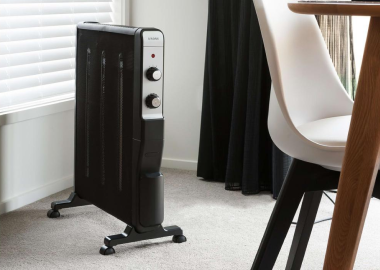
  • Panel heaters suit bedrooms, studies, and hallways where you want consistent background warmth without noise. They mount to the wall or stand on the floor, operate silently, and work well with a thermostat to maintain a set temperature without running continuously.
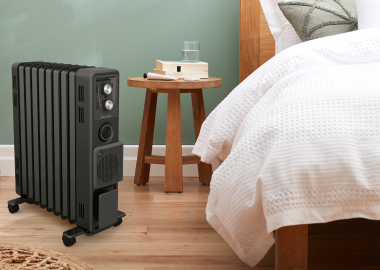
  • Oil column heaters suit rooms used for longer periods each day. They heat slowly but retain warmth after the element switches off, which reduces running time in well-sealed rooms.
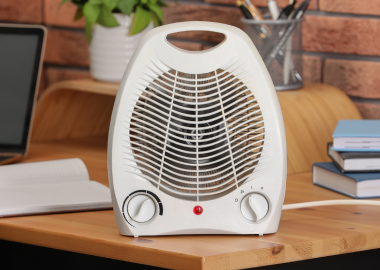
  • Fan heaters suit situations where you need a room warm quickly for a short period, such as getting dressed in the morning. They heat faster than any other portable option but offer no residual warmth once switched off.

What is the safest heater for a bedroom?

Panel heaters and oil column heaters are the safest choices for bedrooms, particularly in households with children or where the heater runs overnight. For overnight use, look for a thermostat, timer, tip-over protection, overheat protection, and a cool-touch exterior as a minimum.

Pro tip icon

Bedroom heater tip:

Ceramic fan heaters heat up faster than oil column heaters but run with audible fan noise. If sleep quality matters, choose an oil or panel heater that operates silently through the night.

Best heater type for small rooms and bedroom safety

What size heater do you need for a small room?

A reliable starting point for New Zealand homes is 100 watts per square metre of floor space, assuming a standard ceiling height of 2.4 metres.

  • Up to 10 square metres (small bedroom, study, or bathroom): 1,000 to 1,200 watts
  • 10 to 15 square metres (standard bedroom or large study): 1,200 to 1,500 watts
  • 15 to 20 square metres (larger bedroom or small living area): 1,500 to 2,000 watts

These figures assume reasonable insulation. Rooms with single-glazed windows, no ceiling insulation, or draughty doors and floors lose heat faster and need more wattage. Step up to the next wattage range if your room fits that description. Rooms above standard 2.4 metre ceiling height also need additional output.

Which heater warms a small room fastest?

Fan heaters warm a small room faster than any other portable electric heater type. They draw cool air across a heated element and blow warm air directly into the room, raising the temperature in minutes. Ceramic fan heaters heat up faster than standard coil element models, but the fan noise makes them less suitable for sleeping environments.

Pro tip icon

Sizing up right:

It is better to buy slightly more wattage than you think you need and run it on a lower thermostat setting than to undersize and run a heater at full output continuously. Oversizing saves energy in the long run.

Heater sizing guide for small rooms

Running cost and keeping heat in your small room

Running cost depends primarily on wattage and how long the heater runs each day. Using a thermostat reduces actual running costs significantly. Once the room reaches the target temperature, the thermostat cycles the element off and the heater draws no power until the temperature drops again.

The cheapest way to heat any small room is to combine a correctly sized heater with a thermostat, close the door, and address draughts. These three steps together reduce the amount of time any heater needs to run at full output.

How do you stop heat escaping a small room?

  1. Keep the door closed while the heater runs. A small room with the door open loses warm air continuously and draws cold air in from other rooms, meaning the heater runs longer at higher output to hold the same temperature.
  2. Close curtains at dusk. Heat loss through window glass overnight is significant. Thick curtains that reach the floor retain noticeably more warmth than short or lightweight ones.
  3. Add a rug to bare timber or concrete floors. Floor heat loss makes a room feel colder than the air temperature suggests.
Pro tip icon

Save on running costs:

Never leave a heater running in an unoccupied room. Use a timer to pre-warm the space before you need it rather than arriving to a cold room and pushing the heater to maximum output to compensate.

Running cost and heat retention in small rooms

The best heater for a home office or study

A panel heater or a ceramic desk heater suits a small home office or study well. Both operate quietly, which matters when you need to concentrate or take calls. A wall-mounted panel heater in the 1,000 to 1,500-watt range suits a small study of up to 12 square metres and takes up no floor space, keeping the room clear for furniture and movement.

If you want fast warmth at your desk without heating the whole room, a compact ceramic fan heater positioned at floor level near your workspace heats your immediate area in minutes. These smaller models typically run at 400 to 1,200 watts, which lowers running costs when you only need personal warmth rather than whole-room heating.

Heater features worth having in a small room

  • Programmable timer to pre-heat the room before you need it
  • Thermostat to maintain a set temperature and reduce running costs
  • Child and pet lock if young children or animals share the space
  • WiFi or app control on newer ceramic models, for heating on your schedule
Pro tip icon

Home office tip:

A wall-mounted panel heater is the cleanest option for a home office. It frees up floor space, runs silently, and can be programmed to warm the room before your working day starts.

Shop electric heaters
Best heater for a home office or study

Find the right heater for your small room at Mitre 10

Whether you are heating a bedroom, a study, or a sleepout, Mitre 10 stocks a full range of panel heaters, oil column heaters, fan heaters, and ceramic models to suit every room size and use. Browse online or visit your local store for expert advice.