shopping_cart0
Your cart is empty
There are no items in your shopping cart


Shop all the latest deals in one place

15% low price guarantee*

Keep your information safe

Mitre 10 is committed to helping customers responsibly recycle batteries purchased from us. You can return used household batteries purchased from Mitre 10 only, to our participating stores for safe and proper disposal.
Please note: We do not accept damaged or modified batteries, vape batteries, solar batteries, e-waste (including computer batteries), or electric vehicle (EV) batteries.
Batteries don’t belong in the recycling bin or in your general waste bin. Rechargeable batteries and lithium-ion batteries (including laptops, mobile phones, power tools and cameras) are hazardous and can produce sparks that may start a fire in rubbish/recycling trucks or recycling facilities. As well as the safety risk, landfill disposal of batteries also poses an environmental risk of leakage and decay of hazardous materials.
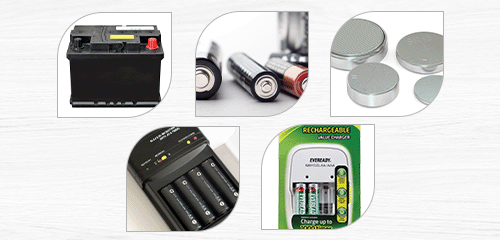
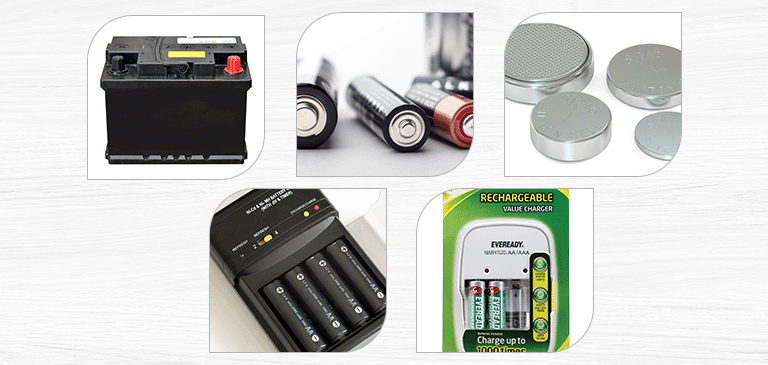

Yes. Our participating Mitre 10 stores can take your car battery. We ask that you tape the contacts and place to the side of the in-store recycling unit.
Nothing, it’s a free service.
Mitre 10 works closely with our partner Phoenix Recycling Group, which manages the batteries to ensure we have a consistent process necessary for a safe and effective service to avoid landfill.
Phoenix Recycling Group collects batteries for recycling from our stores, sorts them by type and places them in appropriate container according to regulations. Most batteries are exported through an EPA permit. Batteries which can’t be recycled are managed through a New Zealand provider in hazardous waste landfill.
Phoenix are New Zealand’s leading battery and metal recycling company, recycling all chemistries of end-of-life batteries. They provide verified downstream solutions, which are essential for the safe and effective management of battery recycling, ensuring landfill is avoided wherever practically possible.
Phoenix Recycling Group collects batteries for recycling from our stores, sorts, segregates to chemistry and packages in accordance with IMDG (International Maritime Goods Code) ready for export under multiple specialised EPA approved hazardous waste licenses.
| Alkaline/Zinc, Lithium Ion, Lithiun Ion polymer, Nickel metal hydride, Lead Acid, Lithium Primary | Exported through EPA permit to verified recycling partners located in South Korea and Japan for resource recovery. |
| Any waste, damaged or rusty batteries | Damaged lithium batteries are managed in NZ and disposed safely in specialised hazardous wase landfills. Lightly damaged batteries are processed as above through EPA permits to South Korea and Japan for resource recovery. |
Through the above pathways, dependent on chemistry – 60-98% of a battery will be recycled and avoid landfill. Recovered content is used for a variety of applications, such as;
Phoenix Recycling Group has been desk audited on their pathway to ensure Mitre 10’s regulatory compliance. These pathways are reviewed annually.
For more information on Phoenix Recycling Group visit Innovative Battery Recycling Services | Phoenix Recycling
The purpose of the audit is to verify that established practices, procedures, and downward pathways are in place and effectively followed in accordance with the programme.
Phoenix Recycling underwent a desktop audit conducted by the Mitre 10 Sustainability team on 12th November 2025.
Our programme is designed for residential qualities. Commercial qualities are governed as anything more than 20 batteries at one time. We ask our customers to respect this in the spirit of the programme.
Mitre 10 reserves the right to restrict or refuse the return of batteries for health and safety reasons, battery type and condition.
Mitre 10 is committed to making a real and sustainable impact on the environment, our operations, and in our communities. We will do this by conducting our activities and business operations with the highest standard of environmental care and providing easy sustainability solutions for our customers. Our battery recycling programme is one of many initiatives enabling this commitment.
