Loading store
Loading store
WishlistStore FinderGift Cards

Bathroom heating and installation guide

Choosing the best bathroom heater for a New Zealand home involves more than picking the highest wattage unit on the shelf. Bathroom electrical zones, IP ratings, ceiling height, room size, and ventilation all affect which type of heater suits your space. Whether you are renovating a bathroom from scratch or replacing an old unit, this guide answers the key questions about bathroom heating and installation.
Key takeaways

  • For most New Zealand bathrooms, a ceiling-mounted 3-in-1 heat, fan, and light unit or a wall-mounted fan heater is the best starting point.
  • All hardwired bathroom heater installations require a registered electrician in New Zealand.
  • IP ratings determine which heater can be installed in which zone of your bathroom, with IP44 the standard minimum for most positions.
  • A 3-in-1 unit with an integrated exhaust fan is the most effective combination for warmth and mould prevention.

What is the best bathroom heater in New Zealand?

For most New Zealand bathrooms, a ceiling-mounted 3-in-1 heat, fan, and light unit or a wall-mounted fan heater delivers the best combination of warmth, moisture control, and space efficiency. The right choice depends on your bathroom size, ceiling configuration, and whether you need an exhaust fan as part of the installation.

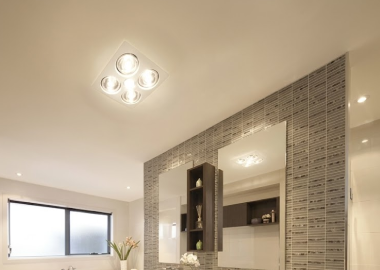
  • Ceiling-mounted 3-in-1 units suit bathrooms where you want heating, ventilation, and lighting from a single installation point. They keep all electrical components above the splash zone, simplify wiring, and eliminate the need for a separate exhaust fan.
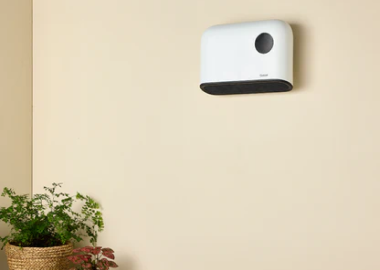
  • Wall-mounted fan heaters suit bathrooms with limited ceiling access or where a quicker, more targeted heat source fits the layout better.
  • For larger bathrooms above 12 square metres, a higher-output wall-mounted ceramic heater or a heated towel rail combined with a ceiling heat lamp covers both comfort and moisture management.

What is a 3-in-1 bathroom heat, fan, and light?

A 3-in-1 bathroom unit combines three functions in a single ceiling-mounted fitting: an infrared heat lamp for fast warmth, an exhaust fan to extract steam and moisture, and an LED light. One ceiling cutout covers all three rather than requiring separate fittings. The exhaust fan runs independently from the heat function, so you can run ventilation after a shower without keeping the heat lamp on.

Pro tip icon

Good to know:

All hardwired 3-in-1 units require installation by a registered electrician. Budget for this as part of your total project cost when comparing models.

Shop bathroom heaters
Best bathroom heater options in New Zealand

IP ratings and bathroom zones in New Zealand

New Zealand bathroom electrical standards divide a bathroom into zones based on proximity to water sources, with each zone requiring a minimum IP (Ingress Protection) rating for any electrical fitting installed within it.

  • Zone 0 covers the interior of the bath, shower basin, or sink. No standard mains-voltage heater belongs here.
  • Zone 1 covers the area above a bath or within a shower enclosure up to 2.25 metres from the floor. Appliances here require a minimum IP65 rating and RCD protection on the circuit.
  • Zone 2 covers the area immediately adjacent to Zone 1, extending 600mm outward. Minimum IP44 rating required.

Most ceiling-mounted bathroom heaters and 3-in-1 units install above 2.25 metres from the floor, which places them outside Zone 1 and typically requires a minimum IP44 rating. Your electrician will confirm the correct classification for your specific installation position.

Pro tip icon

Pro tip:

Always confirm the IP rating and bathroom zone with your electrician before purchasing. The same product may suit one position but not another within the same bathroom.

Sizing your bathroom heater and where to install it

Bathroom heater sizing follows the same 100-watts-per-square-metre principle as other room types, with the understanding that bathrooms lose heat quickly through ventilation, tiled surfaces, and external walls.

  • Up to 8 square metres (small bathroom or ensuite): 500 to 1,000 watts
  • 8 to 12 square metres (standard bathroom): 1,000 to 1,800 watts
  • 12 to 15 square metres (large bathroom): 1,800 to 2,400 watts

Bathrooms with poor insulation, external walls on two or more sides, or large areas of single-glazed window lose heat faster. Step up one wattage range if your bathroom fits that description. Stud heights above 2.4 metres also need additional output.

Where should a bathroom heater be installed?

Wall-mounted fan heaters must be installed at least 1.8 metres above floor level under New Zealand electrical standards. Ceiling-mounted units sit above bathroom zone boundaries when the ceiling height exceeds 2.25 metres. Position a ceiling heater above the shower or bath rather than above the vanity or toilet, where it is most needed immediately after washing.

Pro tip icon

Installation reminder:

All hardwired bathroom heater installations in New Zealand require a registered electrician, including wall-mounted fan heaters, ceiling heat lamps, and 3-in-1 units.

Sizing and positioning a bathroom heater

Infrared vs fan bathroom heaters, and how they help prevent mould

Infrared bathroom heaters emit radiant heat that warms people and surfaces directly, without heating the air in between. You feel warmth almost immediately after switching the unit on, even in a cold bathroom.

Fan heaters draw cool air across a heated element and blow warm air into the room. They raise the overall room temperature faster in a large bathroom but take longer to deliver noticeable warmth to the person standing in the space.

For quick personal warmth, an infrared ceiling heat lamp or a 3-in-1 unit with infrared heating performs well. For larger bathrooms where whole-room temperature matters more, a high-output wall-mounted fan heater suits the space better.

How bathroom heaters help prevent mould

Mould forms when warm, moist air contacts cold surfaces and condenses. A bathroom heater reduces this risk by raising the surface temperature of walls, ceilings, and tiles so steam condenses less readily, and by accelerating drying of the air and surfaces after showering.

A 3-in-1 unit with an integrated exhaust fan provides the most effective combination. Running the fan for 15 to 20 minutes after your shower keeps moisture levels low and makes a measurable difference over time.

Pro tip icon

Mould prevention tip:

Run your exhaust fan for at least 15 minutes after showering, even in winter when the heat lamp is off. This habit does more for bathroom moisture control than any product upgrade.

Shop bathroom heaters
Infrared vs fan bathroom heaters and mould prevention

Find the right bathroom heater at Mitre 10

Whether you are upgrading a standalone ensuite or fitting out a full bathroom renovation, Mitre 10 stocks a range of bathroom heaters to suit every size, zone requirement, and installation type. Browse in-store or online, and speak to our team if you need help matching a heater to your specific layout.