Loading store
Loading store
WishlistStore FinderGift Cards

Upcycling is a creative and rewarding way to give old furniture a second life.

At its core, upcycling is about giving something worn or discarded a fresh purpose, turning it into a piece that’s useful, unique and ready to be part of your home again. For DIYers and home decorators alike, upcycling offers an opportunity to inject personality, save money and reduce waste, all while creating something truly unique.

Furniture is one of the most popular starting points for upcycling projects. From a quick paint refresh on wooden chairs to more involved undertakings like reupholstering an ageing couch or restoring a weathered bench seat, the possibilities are endless. If done well, refurbishing can completely revive a piece, making it look new while preserving its character. Solid timber furniture is ideal for this kind of project, particularly if the frame is sturdy and undamaged. That said, timber veneer and even melamine pieces can also be transformed with the right preparation and finish.
Rethink the design

Refurbishing furniture gives you a chance to rethink the original design and customise it to suit your style or home décor. Changing the colour is one of the simplest ways to refresh an item. You could consider introducing a bold new hue, incorporating patterns or highlighting natural wood grain by stripping the surface. If you want to elevate the look further, try updating the hardware. New handles, modern knobs or even handpicked vintage fittings can dramatically change the feel of a piece.

Don’t overlook the furniture’s base either. Swapping old legs for something sleek and modern, like colourful steel feet or refined timber tapers, can update the silhouette and make the piece feel more contemporary. Even small changes like repositioning the feet or choosing hidden fittings can help create a fresh aesthetic that aligns better with your current interiors.

Consider the room

Before diving into your design, it’s important to think about where the item will live. The colour scheme, lighting and layout of the room should all guide your creative choices. A piece that blends in can subtly enhance a space, while one with vibrant colours or graphic details might act as a focal point. Look at the tones already present in the room and draw inspiration from existing accents, or deliberately contrast with them to add visual interest.

It’s also worth considering how the function of the piece will influence its design. Drawers in a high-traffic family room, for example, might benefit from a durable finish and minimal embellishments, while those in a child’s room offer more freedom for fun, playful ideas. Thinking about the context will help ensure the piece enhances the space, rather than clashing with it.

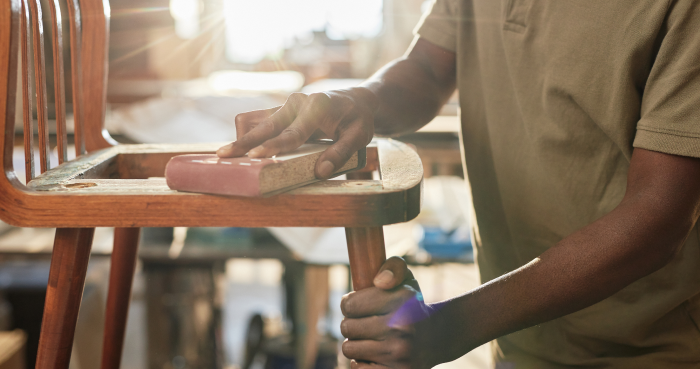
sanding furniture

The secret to a great finish

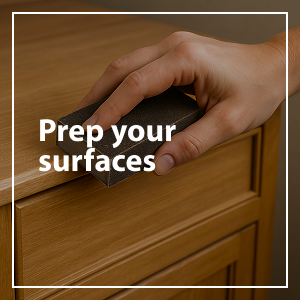
Before you open a tin of paint or grab a brush, take the time to properly prepare your piece. It’s the most important step in any upcycling or refurbishing project and the one that often gets skipped.

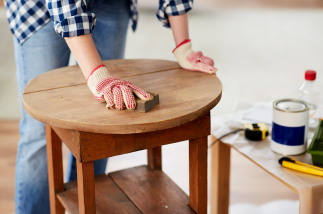
Start by cleaning the surface to remove dust, grease or old polish. Next, sand the entire piece thoroughly to smooth out imperfections and help the paint or stain adhere better. For pieces with flaking paint or rough patches, use a heavier grit sandpaper, followed by a finer grit for a smooth finish. Don’t forget to wipe everything down afterwards with a damp cloth or tack cloth to remove residue.

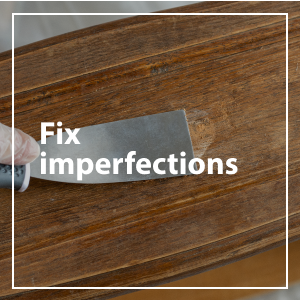
If your furniture has dents, chips or old screw holes, now’s the time to fill them with wood filler and let it dry before sanding again. Once you’re done, you’ll have a clean, even surface ready for priming, painting or staining. Taking the time to prep properly not only improves the final look, it also makes your hard work last longer.

Tips & Tricks for Successful Upcycling

Whether you’re new to furniture restoration or a seasoned DIY-er, these quick pointers will help you get the best results from your next project. From prepping surfaces to picking the right finish, here’s what to keep in mind.

prepping furniture

Prep like a pro

Clean, sand and repair your piece before painting or staining to ensure the best finish and adhesion. A well-prepped surface saves you time and touch-ups later.

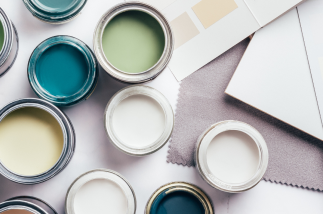
paint swatches

Pick the right paint

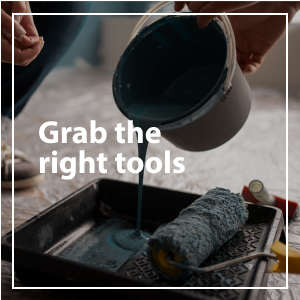
Not all paints are created equal. Use furniture-specific paint or primer if working on melamine or veneer, and test colours in natural light before committing.

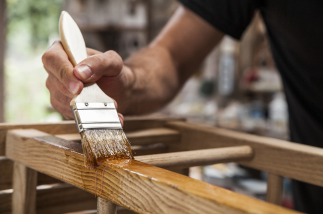
sealing furniture

Seal & protect

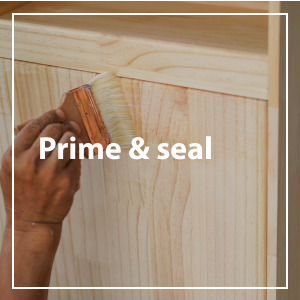
Finish your piece with a top coat or sealant to lock in colour and protect against wear. Whether matte or glossy, sealing adds durability and style.

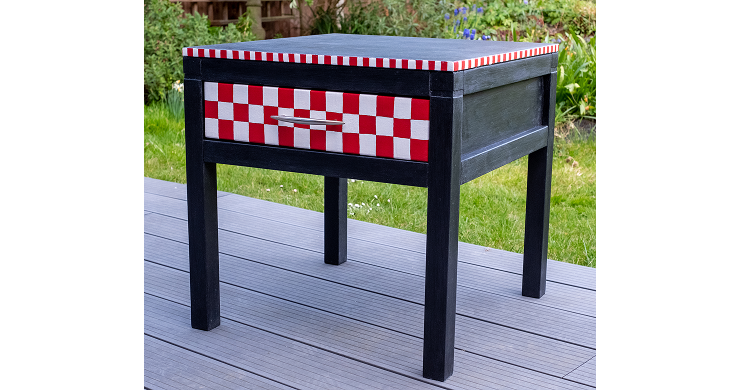
unique red and white square painted side table with a black base

Embrace creativity

Upcycling is the perfect space to experiment and express your creativity. Start by sketching your ideas. Visualising different colours, finishes, or patterns on paper can help you make confident choices before picking up a paintbrush. You might want to try a graduated paint effect, where each drawer front is painted a shade lighter or darker than the one above it. This can create a visually pleasing ombré look and works particularly well in children’s bedrooms.

If you want a more artistic result, consider using painter’s tape or stencils to create crisp patterns or motifs. Wallpaper is another option that can add rich texture or intricate design to drawer fronts or side panels. For a polished and modern finish, a single coat of high-gloss paint can make an old piece feel high-end. Alternatively, you could restore and highlight the natural timber grain, adding a touch of elegance with a lightly etched or engraved pattern.

There’s also room for unexpected touches. Adding fabric to the interior or sides of drawers can create a surprising pop of colour when opened. Faux wood panelling, geometric overlays, or even decoupage can all be used to enhance character and make your piece a true conversation starter. The important thing is to allow yourself room to experiment, what begins as a simple restoration could easily become a showpiece in your home.

Create something uniquely yours

Upcycling is accessible, enjoyable and endlessly customisable. It’s a practical way to reimagine old furniture, giving it fresh function, beauty and meaning, all without the need for professional skills or expensive tools. Whether you’re restoring a set of drawers or adding character to an old chair, each project is an opportunity to learn, experiment and express your style. With the right preparation, a few quality materials and a touch of creativity, you can transform tired pieces into something completely unique. Best of all, upcycling doesn’t have to be complicated. It’s something you can achieve in a weekend or less. Take your time, enjoy the process and don’t be afraid to try something new, because the best part of upcycling is making it your own.

Upcycling essentials