shopping_cart0
Your cart is empty
There are no items in your shopping cart


Shop all the latest deals in one place

15% low price guarantee*

Keep your information safe

Wooden Hanging Parasol Umbrella
Product Recall - Wooden Hanging Parasol Umbrella - find out more
Tools are like good mates: reliable, sharp and always on hand. And just like mates, if you want them to be there when you need them, you’ve got to treat them right.
All tools aren’t the same so you have to look after each of them a little differently, probably just like your mates - some are more delicate than others! Keep them all in good nick so they’re always ready to tackle the next big job.
There’s lots of tools to choose from, but what ones are essential and most used? Read on for our top ten favourite tools and what you should use them for: our list includes the classic hammer, drill, level, handsaw and workbench, the powerful circular saw, jigsaw and angle grinder as well as the modern and highly convenient multi-tool and stud finder.
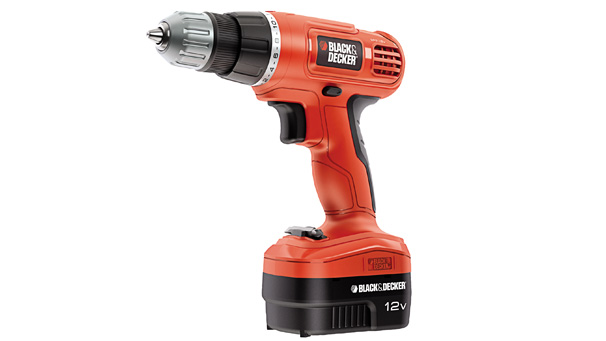
To DIY you’ll need a drill and one that’s right for the job. Consider power, speed, battery type, cord or cordless and of course comfort when buying. Drills with 12-18 Volts power meet most home needs and one with variable speed lets you drill into different materials and gives better control.
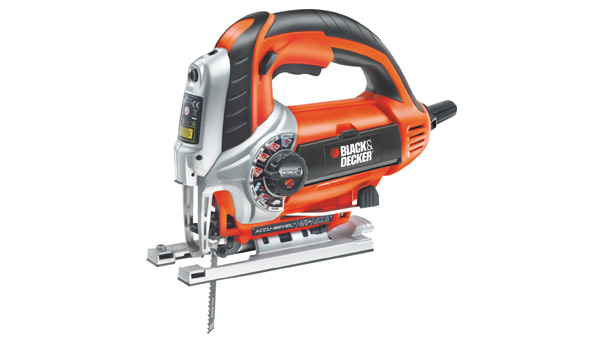
A jigsaw is really handy for cutting curves and patterns. The key to successfully cutting a pattern is good control. Draw your pattern first, go slow and make sure you’ve got the right blade for the job; different materials require different blades so stocking up on a few types is a good idea.
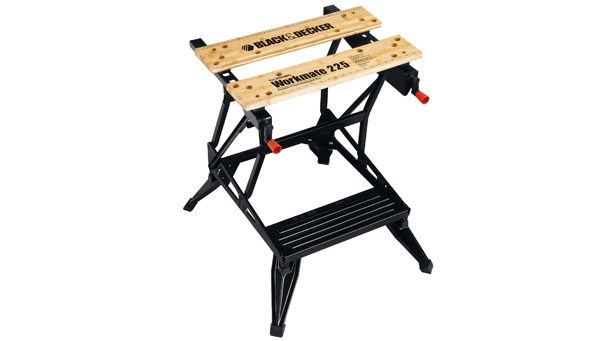
Work benches can be bulky, so for home DIY a foldable work bench is ideal. They’re lightweight, portable and take up little space, yet will give you a solid base to work on.
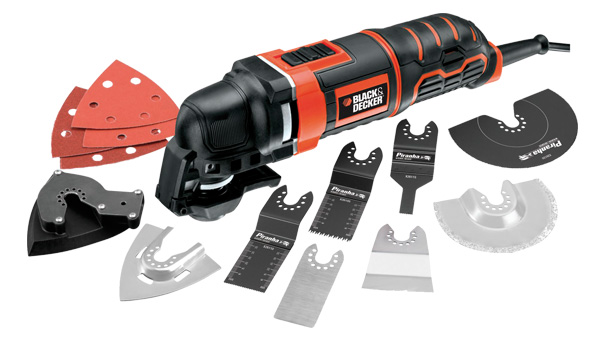
My favourite tool of all time and a must for every tool kit. You’ll get loads done with just this one tool. You can sand, grind, remove grout, cut and more, just by swapping out the attachment.
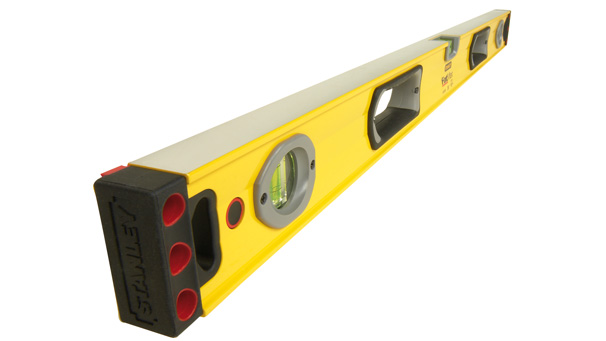
Whatever the job you’ll need a level to make sure your handywork is straight. The handiest size is the 900mm or 1m long level as it’s not too lightweight nor too bulky for smaller household tasks. There are a few types available; the classic bubble vial spirit level, the highly accurate digital reader and the self-levelling corner level with red laser line.
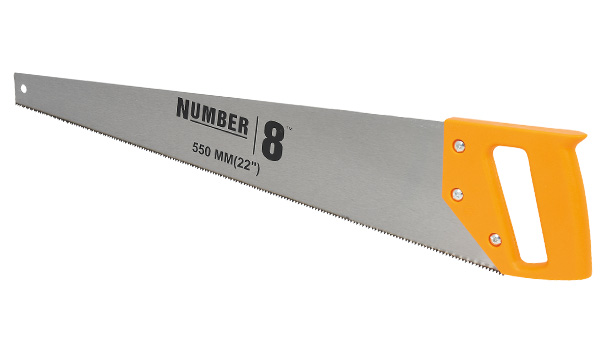
There are lots of handsaws available, each type comes in different shapes and sizes and has multiple uses. Ensure you get the right one for your job. Nowadays, disposable handsaws are popular but can’t be sharpened. You can sharpen non-disposable handsaws yourself with the right tools, though it is inexpensive to have them sharpened professionally.
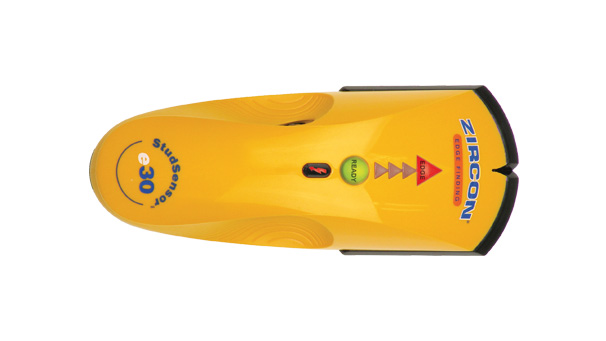
Long gone are the days of banging the wall with a hammer to locate the studs and nogs in the wall. Nowadays a scan of the wall removes any guess work so you can be sure and not make any unnecessary holes.
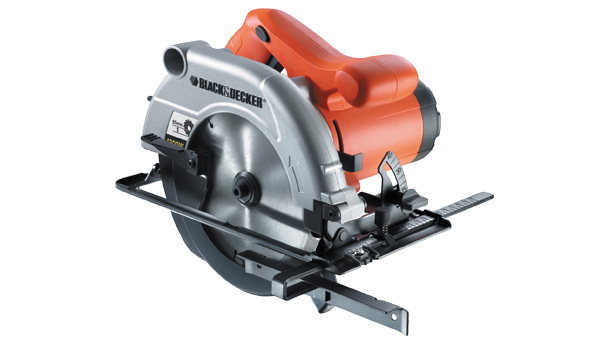
Electric saws make light work of cutting wood, metal, or plastic to size. It’s accurate and you can set it to cut specific depths and create bevels. The 8-inch blade is the most common size and suitable for most home jobs. They’re powerful so take care when operating. Safety goggles are a must.
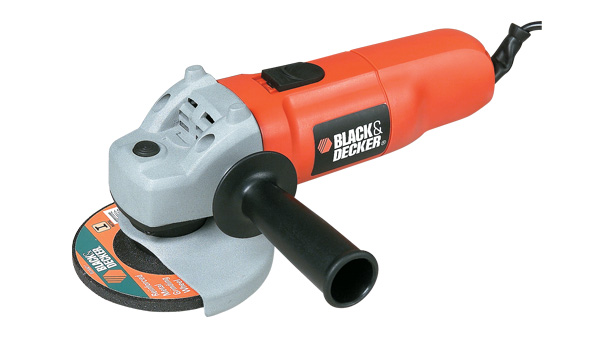
Another versatile tool that can do a variety of jobs simply by changing out the accessories or wheel. You can cut tiles, pavers and bricks, remove rust from outdoor furniture or paint from metal, sharpen blades and cut and grind metal surfaces. A 4-inch grinder will take care of most jobs. Sparks and debris will fly so wear safety gear!
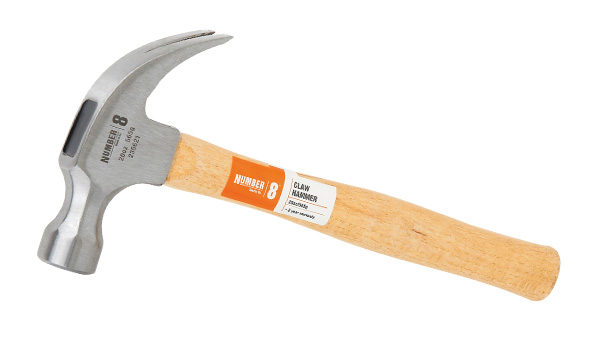
Where would we be without the handy hammer. A classic claw hammer will insert nails and get them out too. Hammers have different weights and types of handles so try out a few styles to see what type is most comfortable for you. They range from 16-24-ounces in weight. The 20-ounce is most commonly used.
