shopping_cart0
Your cart is empty
There are no items in your shopping cart


Shop all the latest deals in one place

15% low price guarantee*

Keep your information safe

Wooden Hanging Parasol Umbrella
Product Recall - Wooden Hanging Parasol Umbrella - find out more
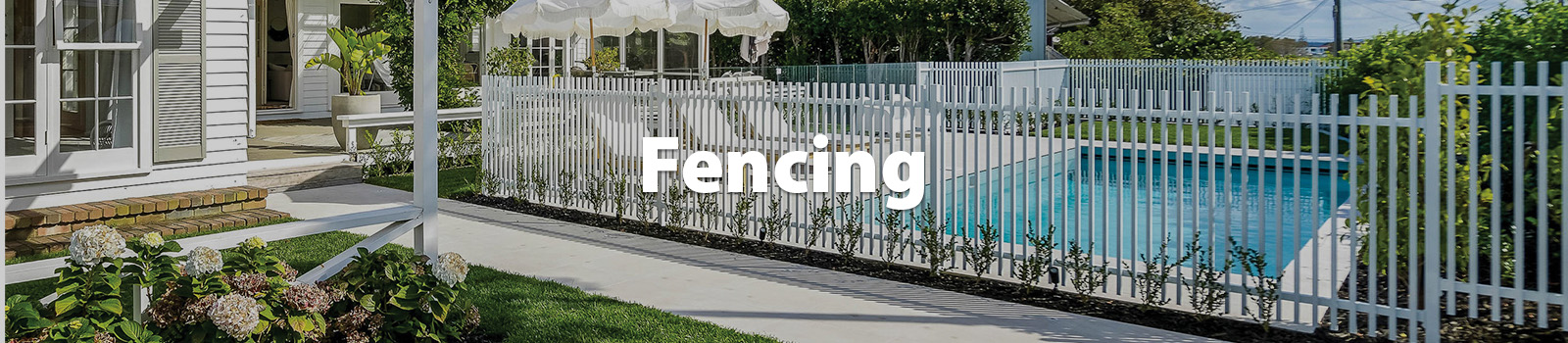





Popular fencing materials include timber, steel, aluminium, fibre cement, WPC (Wood Plastic Composite) and PVC. Timber is a classic choice, offering a natural look, while metal options like composite and aluminium provide durability and low maintenance. PVC is a weather-resistant alternative.
Choosing the right fencing material depends on your specific needs, such as privacy, security, style, and budget. Think about the function of your fence, the overall aesthetic of your property, and your climate conditions to make the best choice.
In New Zealand, the Fencing Act governs shared boundary fences, meaning neighbours are typically required to share the cost of installation and maintenance. Some local councils may also have specific regulations regarding fence height and location, so it's important to check before starting your project. Before starting your project, verify local council regulations and carefully follow your fencing product’s specific installation instructions to ensure compliance and prevent costly mistakes.
When planning your fencing project, it’s important to factor in both the cost of materials and installation. Timber, steel, and aluminium each have different price points, with softwood generally being more budget-friendly compared to hardwood or metal options. If you’re hiring a professional, don’t forget to include labour costs in your budget. Opting for DIY can save you money, but be sure you're up for the task to avoid any costly mistakes later.
Yes, installing a fence can be a DIY project, particularly for simpler designs like post and rail or basic timber fencing. However, more complex installations or those requiring concrete footings may require professional help. If you opt for DIY, carefully review your fencing product’s specific installation instructions to ensure safety and longevity.
Timber is typically the most cost-effective material, while metal options like steel and aluminium can be more expensive but require less maintenance over time. PVC and fibre cement are other durable options, often sitting between timber and metal in terms of cost, while composite can be the most expensive but gives the look of timber with significantly less maintenance required.
Common mistakes include not setting posts deep enough, using the wrong type of wood for your climate, and neglecting to check property lines before installation. Incorrect post spacing can also lead to an unstable fence.
Timber fences need regular maintenance, including painting or staining every few years to protect against rot and weather damage. Metal, fibre cement, WPC and PVC fences require less maintenance but should be inspected periodically for damage or corrosion. Always refer to your fencing product’s specific maintenance guidelines for the best results.
Need durable fencing materials for your property? Mitre 10 has a fantastic range of options, from classic timber to sturdy steel and low-maintenance PVC. Our knowledgeable staff are on hand to help you choose the right materials and offer tips on installation. Visit your local Mitre 10 and let’s get your fencing project off to a great start!