shopping_cart0
Your cart is empty
There are no items in your shopping cart


Shop all the latest deals in one place

15% low price guarantee*

Keep your information safe

Wooden Hanging Parasol Umbrella
Product Recall - Wooden Hanging Parasol Umbrella - find out more
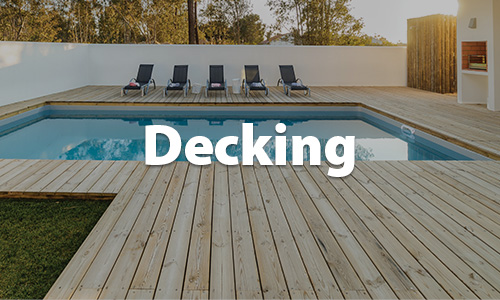
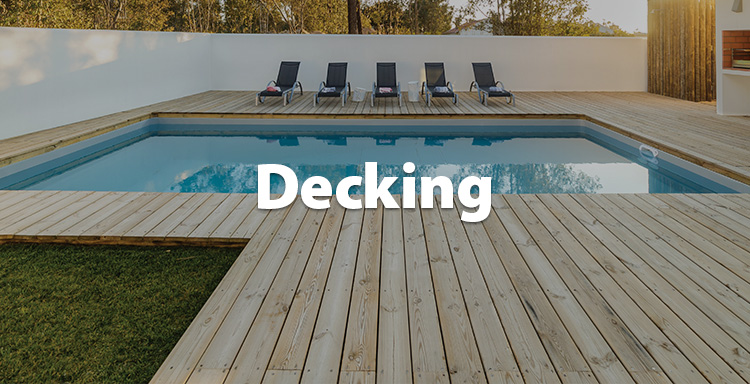
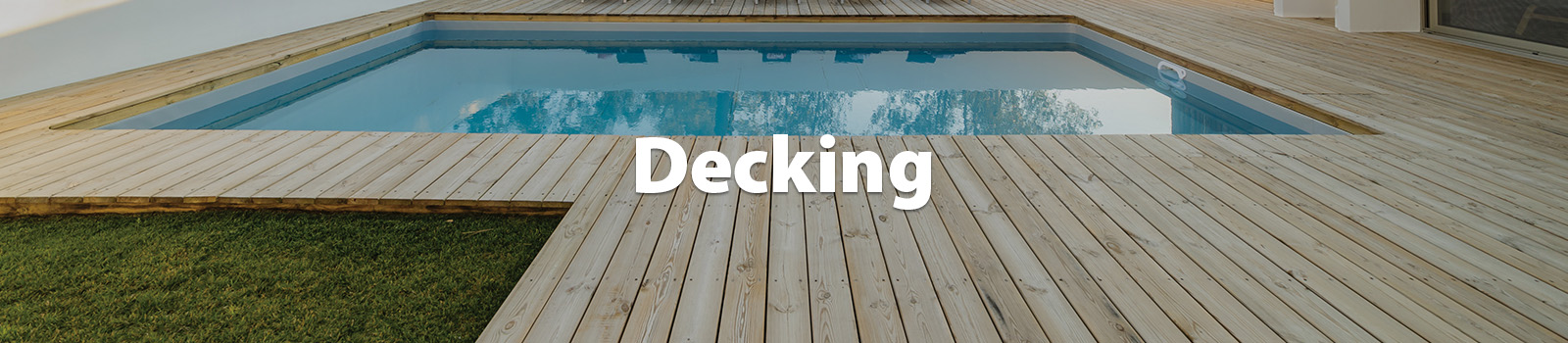








The main types of decking materials available in New Zealand include hardwood, softwood, composite, and PVC. Hardwood options, like Kwila, Garapa and Vitex, offer natural beauty and durability, while softwood options, like Radiata Pine, are cost-effective and versatile. Composite decking combines recycled wood fibres and plastic, offering low maintenance and resistance to weathering. PVC decking is entirely synthetic, providing maximum durability and a long lifespan.
Choosing the right decking material depends on your local climate. In areas with high humidity or rainfall, composite or PVC decking may be more suitable as they resist moisture and prevent rot. Hardwood is also a strong choice for wetter climates due to its natural resistance to decay. If you’re in a region with harsh sunlight, consider composite decking with UV-resistant properties to prevent fading.
Before installing a deck, you'll need to prepare the site. This includes clearing the area of any vegetation or debris, leveling the ground, and ensuring proper drainage. You may also need to mark the deck's layout and ensure the ground is stable enough to support the structure. Additionally, check for any underground utilities and obtain necessary building consents if required.
In New Zealand, whether you need a building consent depends on the size and height of the deck. Generally, if your deck is more than 1.5 meters above the ground, you will need a consent. It's always best to check with your local council to ensure compliance with regulations.
While it’s possible to install decking yourself if you have the necessary skills and tools, hiring a professional may ensure a more polished and durable finish. DIY installation is more suitable for smaller, simpler decks, whereas complex designs or larger structures might benefit from expert knowledge and experience. If you do opt for DIY, carefully review your decking product’s specific installation instructions to ensure safety and longevity.
Sustainable decking options include hardwoods like FSC-certified timber such as Kwila and Garapa, known for their durability and eco-friendly origins. Composite decking, made from recycled wood fibers and plastics, is another sustainable choice. These materials not only help reduce waste but also offer long-lasting performance, reducing the need for frequent replacements.
Regular cleaning and maintenance are key to preserving your deck’s appearance and durability. Frequently remove dirt, leaves and debris, and treat any moss or mould growth with a suitable cleaning agent designed for decks. Timber decks particularly benefit from regular gentle washing with mild soap or a dedicated deck-cleaning solution, as this helps protect the timber and extend the life of the applied finish. It's also recommended to regularly reapply protective finishes such as oils, stains or paints, although the ideal frequency depends on your local climate, exposure to weather and environmental conditions. As maintenance needs can vary, always check the specific care guidelines provided by your decking product’s manufacturer to ensure best results.
When considering the cost of decking materials, factor in both the initial purchase price and long-term maintenance costs. Hardwood options like Kwila, Garapa and Vitex, and composite decking may have higher upfront costs, but they generally require less frequent maintenance and offer a longer lifespan compared to more affordable options upfront like softwood, such as Radiata Pine. Additionally, consider any installation costs, whether DIY or professional, as well as any potential building consent fees.
Common mistakes to avoid when installing a deck include inadequate site preparation, poor drainage, incorrect spacing between boards, and not allowing for timber expansion and contraction. Additionally, failing to comply with local building regulations or not using the correct fasteners can compromise the deck’s safety and durability.
Ready to build the deck of your dreams? Visit your local Mitre 10 for a wide selection of top-quality decking materials to suit any style and budget. Whether you're after hardwood, composite, or softwood, our team is here to offer expert advice and guidance. Pop into your nearest Mitre 10 and let's turn your outdoor space into something truly special!