How to maintain your power tools for a long life
There’s nothing worse than having a tool give up when you’re halfway through a job. Regular maintenance will keep your tools reliable and performing at their best for the duration of their life.
Power tools are essential to the job, but not exactly cheap, and taking care of them will help you avoid replacing them prematurely and having to chuck the old ones out.
A lot of tool maintenance is about building good habits around how you use them. Remember, new tools generally have a warranty, which means if they do break you may be able to get them fixed for free. On the flip side, attempting to fix yourself may void the warranty. Make sure that you read the manual and the warranty terms, and always hold onto your receipts.
Keep your power tools clean
Keeping your tools free of oil, grease, dust, dirt and grime is one of the most important ways to keep them running properly. It’s just about impossible to use any power tool without it getting a bit dirty. The best thing you can do is give them a good clean after each use. This means wiping down any oil or grease on them and cleaning off dust with a damp cloth. Check any air vents on your tool for blockages, and clear them with a cotton bud or a spray of compressed air. The longer the grime stays on your tool, the harder it will be to clean it off.

Store your power tools right
We’ve already covered cleaning, and it’s always best to put your tools away clean. Whether you’ve got heavy duty tool storage or just a spot in the shed, it’s best to keep them somewhere dry with a relatively stable temperature. It’s a great idea to keep some kind of moisture control solution in with your tools to suck up any moisture and keep it from damaging any of your equipment. It’s always good to hold on to user manuals so why not keep these in your tool storage area too, so they’re on hand if you ever need them.
Stop using them if they get hot
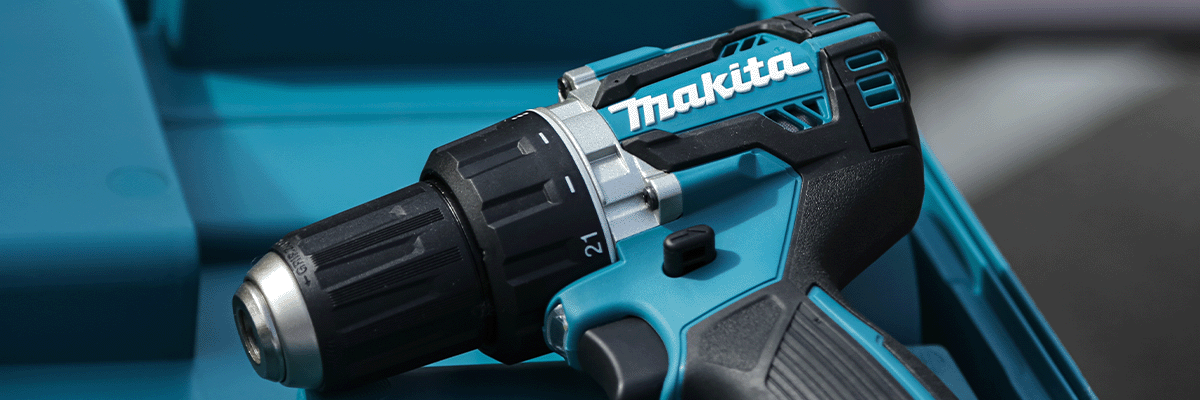
While power tool technology is fairly efficient these days, there are still moving parts inside that deliver that powerful performance. If you feel your tool getting hot during a job, the best thing to do is stop and let it cool down. Overworking these moving parts can reduce efficiency and cause breakages. While this is far more likely to happen with older tools, it’s a good rule of thumb to follow no matter the age of the tool.
Look after your power tool batteries
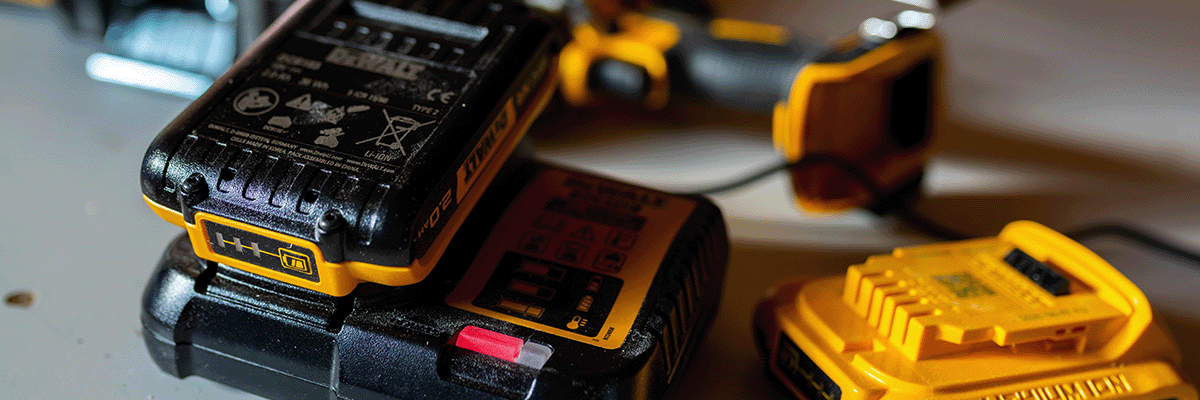
For cordless power tools, getting the most out of each battery is just as important as the tools themselves. Your batteries will give the best performance from a full charge, and it’s best to keep using them until they go flat rather than charging from half way. Once they’re charged, pull them off the charger. The batteries used in power tools work best if they get used regularly, so if you’ve got a bunch, make sure you use them on a rotation so each one gets used. It’s best to store them somewhere cool and dry, and if you need to clean the contacts, use a cotton bud and some isopropyl alcohol.
While lithium power tool batteries are built tough, don’t forget that they hold a charge and can be dangerous if mishandled. Make sure you read through the messages on the packaging and on the manual so you’ll know what to do if they’re dropped or compromised in some way. It’s always better to be safe than sorry.
Keep an eye on your tools’ power cords
For tools that run off your mains, the power cord is often the first thing to get damaged. Before you use your tools, check the cords are in good working order with no cracks or splits. If you see damage, it may be best to avoid using it until you’ve had it checked by a technician*. Keep your cords coiled when the tools aren’t being used, and avoid storing heavy tools on top of them if possible. If you’re moving around while using a corded tool, make sure the cord has space to move where it won’t get snagged or caught on anything. It probably goes without saying, but don’t pull your tool by its cord.
Tighten any loose screws you see in the tool’s casing
Sometimes with heavy use and intense vibration, a tool can shake loose the screws that hold its casing together. If this happens to you, tighten them up. Checking them regularly is a good practice to get into, just to avoid having a job interrupted or losing a screw you didn’t know was loose.
Avoid using dull or blunt blades and bits
The more you use your drill bits, blades and other attachments, the more they will naturally dull and blunt. Pushing on with dull bits and blades will make your drill or saw work a lot harder to get the same result. Using these for a long period of time puts more strain on the tool and may cause parts to wear out faster than expected. If you can sharpen your bits and blades, you should do-so regularly, otherwise replacing those worn parts will be best for the longevity of your tool.

Get them serviced when required
Power tools require precision and accuracy to get the most out of them for every project. With plenty of use over time, things can move slightly and reduce the efficiency of the tool. Each tool’s user manual will include a suggested service interval. A service will often include replacing any worn parts and where necessary, recalibrating for accuracy. In New Zealand, you generally take the tool into the shop you bought it from, and they will send it to the tool company’s local service centre. If this is something you need, chat to your rep about it next time you catch up. Owners can also contact their tool’s manufacturer directly, with many of the top brands offering quick turnaround times to get you back on the job sooner.
Our tools are our livelihoods, so it makes sense to treat them well so you can rely on them to get the job done, every time. A little bit of care and attention will go a long way, it’ll keep you on the tools, prevent you from prematurely replacing your essentials, and keep electronic waste out of our landfills. That’s what building for better is all about.