
Your guide to avoiding waterproofing fails
23 July 2026
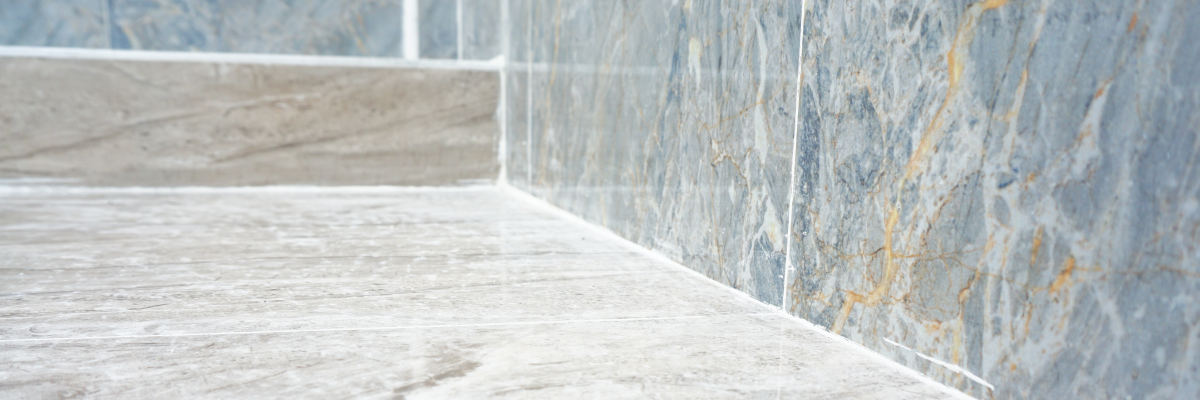
The failure rate for waterproofing in wet areas is still too high. BRANZ estimates around 16 per cent of tiling work fails, while the Tile Association of New Zealand (TANZ) says about 10 per cent of waterproofing doesn’t pass inspection – mostly because of the installer. The “flow-on” effects can be huge.
Poor workmanship creates risk for everyone involved, from builders and subcontractors through to homeowners, and the reputational and business consequences can be significant when waterproofing fails.
The Government is also concerned about this risk and its plans for a new LBP licence class will ensure only qualified and accountable professionals carry out internal waterproofing work. Meanwhile, what do you need to know to keep bathrooms, showers, kitchens and laundries free from leaks?
Rules for floors and walls
Finished floors within wet areas must be impervious, maintain the integrity of the system and use materials and finishes suitable for wet areas. Materials that are not impervious can act as a substrate provided the top layer is impervious. Acceptable Solution E3/AS1 lists suitable finishes for wet areas as:
- waterproof sheet material (such as PVC) with sealed joints, that are sealed or coved at edges
- ceramic or stone tiles with 6 per cent maximum water absorption and flexible, waterproof grouted joints
- a slab-on-grade concrete floor having a steel trowel or polished finish, sealed at edges where watersplash may occur.
If you’re using other floor finishes, they must be consented as an Alternative Solution. For rules around installing these, the Level website has a handy guide with diagrams.
Even ceramic and stone tiles can let water through if they’re not installed correctly. In accordance with AS/NZS 4858:2004 Wet area membranes, a membrane is required behind all tiles within the shower and there must also be a fall of 1:50 to the waste outlet. BRANZ has further guidance on requirements for tiled showers here. A key rule is that impervious surfaces need to extend at least 300 mm above the showerhead.
Another consideration in wet areas is when you’re using treated plywood as a substrate. Because of the solvents used in LOSP-treated plywood, it’s not suitable for use with the waterproofing membranes used under tiles and other impervious finishes. Use CCA-treated or waterborne MCA H3.2-treated plywood instead, and always check compatibility with the manufacturers.
Plywood must also have a waterproof coating and be treated to H3.2, especially in bathrooms, laundries and kitchens. Where a treated sheet has been cut, drilled or machined, you need to apply a suitable wood preservative treatment to cut surfaces.
Plywood floors in tiled showers must be at least H3.2 treated and a minimum of 17 mm thick. Meanwhile, timber floor joists under tiles in wet areas, such as around vanities or laundry tubs, should be treated in accordance with the relevant NZBC and NZS 3602 requirements.
Lastly, ensure any epoxy or resin coatings are applied before floor-mounted fittings such as vanities, baths and shower trays are installed.
Preparing your substrate
Substrates must be protected by a waterproof coating and an impervious finish. The Level site has examples and Acceptable Solutions.
BRANZ recommends that waterproofing membranes should be:
- continuous under floor-mounted vanity units, baths and shower trays and extend at least 150 mm up the adjoining walls when walls are not waterproofed
- under all tiling in areas subject to regular water splash
- sealed around penetrations so there is no path for water to migrate to adjacent spaces.
Before placing the membrane, the substrate must be clean and have a moisture content of 75% or less RH (relative humidity) for concrete or mortar, or 20% or less moisture content for plywood. Rushing the prep before the tiler arrives is one of the most common reasons why membranes fail.
Any timber floor joists under tiles in wet areas, such as around vanities or laundry tubs, should be treated in accordance with the relevant NZBC and NZS 3602 requirements. Plywood floors in tiled showers must be at least H3.2 treated and a minimum of 17 mm thick.
There are many other reasons why membranes can fail, from insufficient curing time to coatings that are too thin. Before you finish the job, always use a flood test to check how well the membrane performs. Check the tiler has used water-stops and wall cavity protectors to contain moisture within the shower area.
For more expert advice, builders as well as tilers can join TANZ to access their resources and advice, with courses available for those keen to school up or prepare for an LBP licence. Get more info here.


