
Switch on to smart homes
30 April 2026
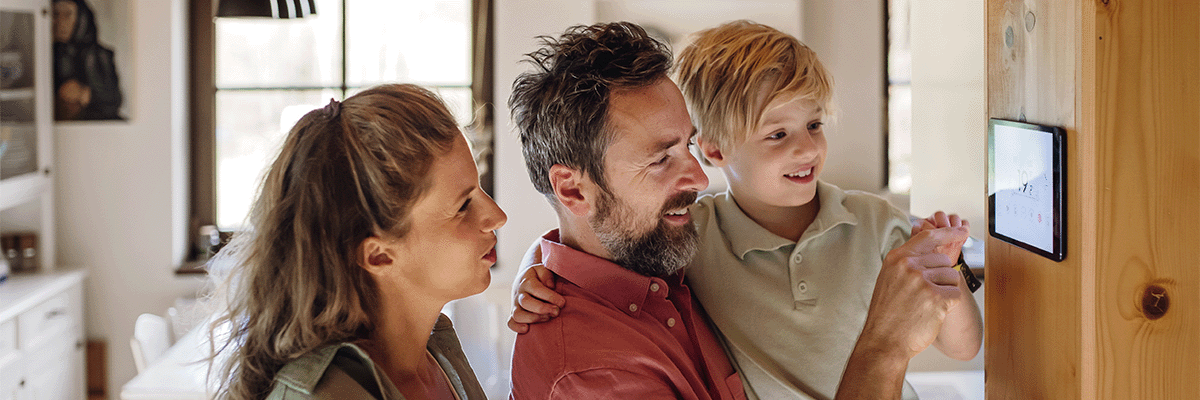
Smart technology is making big changes across every sector, and residential building is no different. According to PDL by Schneider Electric, the Kiwi smart homes market is expected to grow by nine per cent over the next four years. This is a big opportunity for builders, designers and electricians to tap into.
To help you stay ahead of the tech curve, we spoke to Tim Fant, Product Manager for PDL, who had tips on how builders and tradies can add more value to their customer conversations, and to their properties.
Practical steps to add value
Tim believes smart homes aren’t about fancy gadgets for the sake of it. Homeowners generally want three things: lower power bills, a more comfortable, convenient home and peace of mind when they’re away.
His advice to all tradies is to talk to clients about these opportunities early. Ask them if they want to enable smart control for lighting, heating, hot water or EV charging. Even if they don’t want it immediately, it may be worth pre-wiring as you go, so the home is “smart-ready” for installation later.
“Younger generations particularly now expect some level of smart tech – our research found two-thirds of Gen Z adults are interested in smart homes. But with the cost of living, it’s not just about comfort and convenience anymore. They’re increasingly looking for control over their power consumption, to save money,” says Tim.
This gives you a chance to lead conversations about what homeowners might need to achieve this.
Simple things like motion sensor lighting, timed bathroom heaters that automatically switch off, and hot water cylinders that automatically go on during off-peak pricing periods can make a real difference to energy bills, and to sustainability.
Customers are particularly interested in smart lighting control, which allows them to time lights to go on and off when they’re on holiday, or have a voice-activated “bedtime mode” to automatically switch off upstairs lights and close the curtains with motorised blinds.
An opportunity for home builders to really add value is to offer smart home walkthroughs with electricians at handover as part of their new home package. Tim says this is already proving successful in Australia, helping homeowners feel confident with the tech and ensure fewer callbacks later.
What should you consider when recommending products?
There are lots of smart products available off the shelf, which are often a good low-cost way for homeowners to try smart tech.
But there are limits. If a smart bulb relies on the wall switch staying on, one flick of the switch and all the clever features disappear. Battery devices need regular maintenance. Also, if you’re building a large home, or one with brick and steel internal walls, a wireless signal probably isn’t going to be strong enough.
When it comes to adding maximum value, a permanent wired system is the way to go. They become part of the home’s fabric, are harder to accidentally defeat, and are generally more reliable long-term. Look for a trusted brand with post-sales support and training, so you can easily update systems.
Tim has a final piece of advice: get hands on with the tech yourself.
“That’s the best way to build your knowledge. If you’re in Auckland or Christchurch, you can visit a PDL Vision Studio Showroom. The thing is, smart homes aren’t the future – they’re already here. Tradies who get comfortable with the options will be the ones who have the edge.”


