
Safety first, from day one
25 June 2026
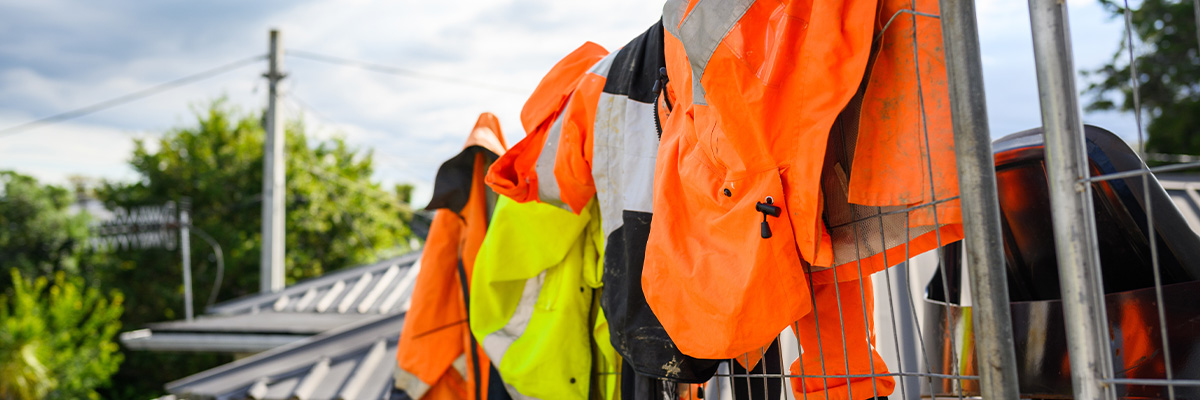
Construction is hard to beat for people who love variety, action and hands-on work. But busy, fast-moving sites need safety built in from the start.
With July 2025 recording the highest number of incidents ever reported to WorkSafe in a single month, it’s a timely reminder this July for builders and subbies to check the basics are sorted before anyone arrives on site.
Who’s responsible for health and safety?
Every job has PCBUs, or “persons conducting a business or undertaking” – this could be a sole trader or a manager of employees and contractors. Under the Health and Safety at Work Act, any PCBU must ensure, “as far as is reasonably practicable”, the health and safety of workers, and that other people aren’t put at risk by the work they’re doing. The rules and responsibilities for PCBUs are set out on the WorkSafe website.
Creating a Site-Specific Safety Plan (SSSP)
To ensure your site is safe, an SSSP is a must. This outlines how health and safety will be managed and the key actions you will need to follow. This should not be a generic form pulled from the last job – each site and project will have its own risks. Start by walking the site, and look at the actual work ahead, then make your plan. Site Safe has a template and list of the key things this should include:
- Hazards and how these will be managed
- How accidents and incidents will be reported
- How employees will be trained or supervised around their obligations and use of equipment.
- Emergencies, including first aid and rescue plans.
Include the basics too: toilets and washing facilities, PPE, tool checks, site access, weather, protecting the public and passers-by and how new workers and contractors will be inducted.
Map out who is responsible for managing each control, from checking scaffolding to ordering fire extinguishers, and how deliveries and visitors will be managed.
A good SSSP changes as the build enters each new phase. Use quick meetings at the start and finish of each day to check what has changed, and encourage the crew to speak up if something looks wrong. Under the Act, workers need real ways to raise concerns and be involved in decisions that affect their safety.
For help SiteSafe has a Site-Specific Safety Planning course. Construction Health and Safety NZ (CHASNZ) also has resources and tools.
More on the coming legislative changes
The Health and Safety at Work Amendment Bill is now going through Parliament. This aims to reduce red tape and confusion around health and safety. If passed, it would reduce requirements of small PCBUs (fewer than 20 workers) to focus only on critical risks, as well as provide welfare facilities such as adequate lighting, washing facilities, and first aid. For larger businesses, all risks must be managed.
To align with the Bill, Site Safe is supporting WorkSafe to develop an approved code of practice (ACOP) for residential construction, to clarify the different roles and responsibilities for health and safety before, during and after work. Site Safe is involved to ensure it is grounded in the realities of work sites around New Zealand. Although it’s not compulsory to follow an ACOP, it sets the standard. Under the Bill, a business that complies with the ACOP would have met the relevant legal duty.
Consultation on the Bill closed in May, so there may be some changes to come. For updates, visit the MBIE website.


