
Passive Impressive: How to incorporate passive elements into your build
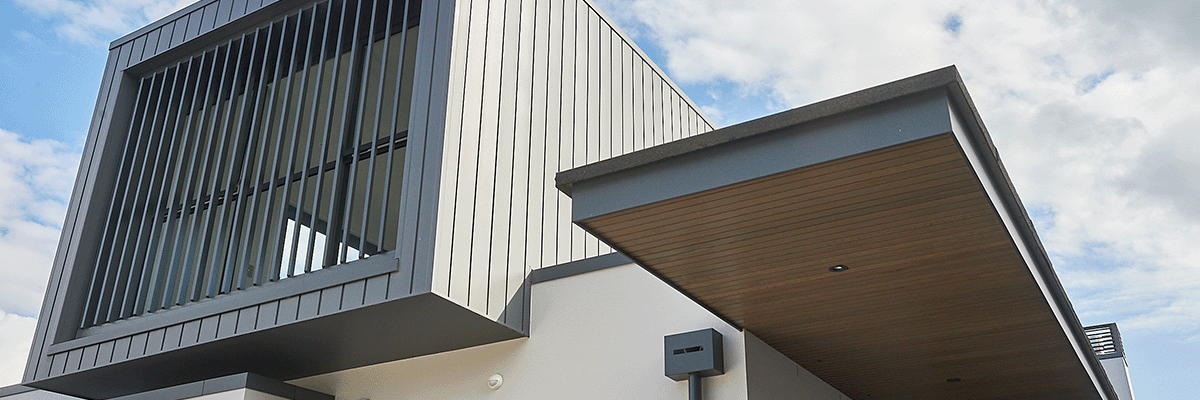
With growing demand for homes and buildings that are more economical to run and use less energy, passive design is gaining more interest.
There’s a lot to learn from the passive approach, whether you’re building a passive house or not. For just one example, getting the right balance of airflow and light removes the need for expensive air-conditioning systems, with minimal heating or cooling required.
Passive heating can be incorporated into new homes, renovations or existing buildings of all types. That being said, it’s much easier and far more cost-effective to incorporate passive elements at the early design and planning stages of a new build.
So, what do you need to consider, from your location to your formwork?
Orientation
It’s essential to capture the right amount of light and work with prevailing winds so you’re achieving a natural breeze without creating a wind tunnel. In particularly sunny spots, you want to take advantage of the prevailing winds. On the other hand, to maximise solar gain and warmth, passive buildings should be designed with the largest number and size of windows facing within 20-30 degrees of north.
Other things to consider include the path of the sun throughout the year, and whether there are other buildings or spreading trees nearby that could create shade.
Location
Where a building is located and placed on the site is equally important. Sites on the north side of hills or with ground sloping down to the north will receive more sun. This will make a home drier and easier to heat in winter. In general, building on the south side of your site will create the most sun exposure, but this will depend on what else is nearby. Ensure you’re not building in a place where winds are being funnelled through natural valleys or between other buildings. Hedges, trees, walls or fencing might be needed to block this if there are site constraints.
Design and layout
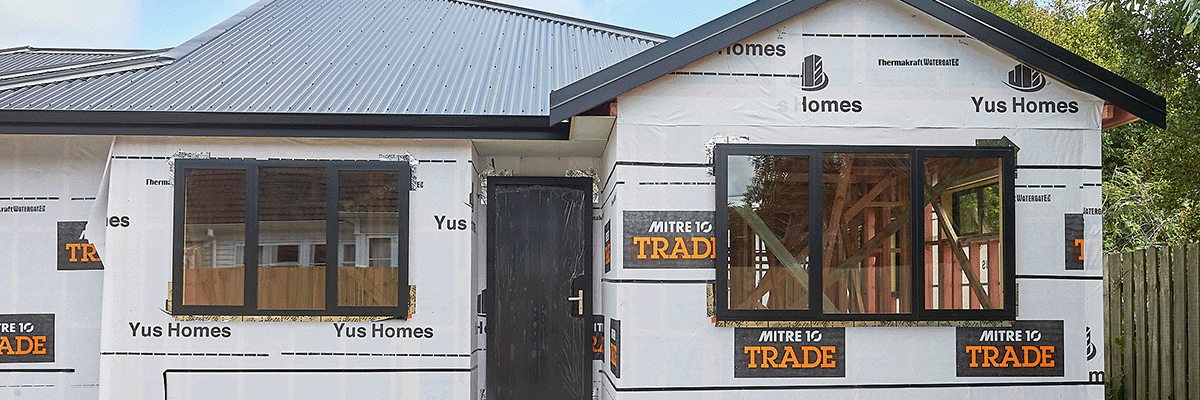
Rectangular shapes and multi-level homes have less outside wall and roof area than more complex shapes, so they’re easier to keep warm. MBIE’s Building Performance website advises keeping the footprint as simple as possible. The fewer corners a house has, the fewer thermal weak points there are
Living rooms or rooms that are used the most should be located on the north side to maximise warmth. However, a clerestory window can be added to bring more sun into a south-facing room. Avoid having large windows facing west, which can cause overheating. If you can’t avoid it, MBIE recommends external shade structures (even movable ones) or using glass with a low solar heat gain coefficient.
Materials
Good insulation is the final ingredient. If possible, choosing materials, including windows and insulation products, that go above the Building Code requirements will give a better outcome. The higher the R-value, the less energy will be required to heat the building. This is particularly important in colder areas. Insulated concrete formwork (ICF) is another option. This often results in thicker walls than required by the Building Code, providing continuous insulation, moisture resistance and high thermal mass.
For more advice on passive houses and buildings, contact the Passive House Institute New Zealand. BRANZ also provides a simple guide on the Level website.


