
How to avoid fixing mistakes
5 March 2026
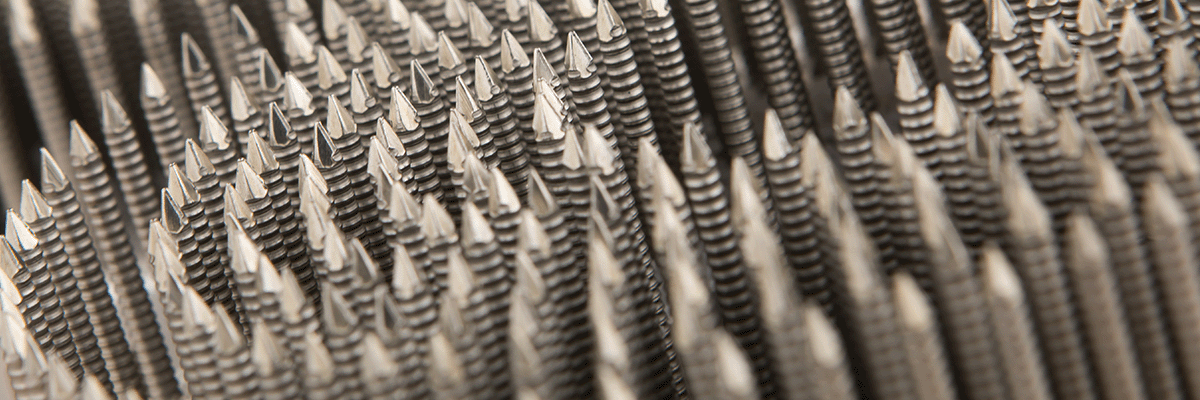
Fixings are one of the top topics builders ask BRANZ for technical advice on – and for good reason. The wrong combination of materials or not using enough fixings on roofs or windows can see brand-new builds turn rusty and leaky very quickly.
Here’s how to choose the right timber fixings and avoid clashes with adjoining materials.
Check what your timber’s been treated with
This is always the first question, especially when you’re building for exposed outdoor conditions.
Copper-based treatments like CCA, CuAz/ACQ and copper LOSP are tougher on zinc coatings, especially when the timber gets wet. In those cases, standard galvanised fixings, which use zinc, can corrode much faster. Non-copper LOSP is generally easier on zinc, so this is preferable when you’re using these products outdoors.
Otherwise, use 304 stainless steel fixings or, for even harsher coastal environments where there’s sea spray, use 316.
For interiors or sheltered conditions, hot-dip galvanised fixings are usually fine to use regardless of the timber treatment. However, make sure to seal penetrations and ensure the timber is dry before fixings are attached, as moisture present in the timber at installation can contribute to corrosion.
Avoid metal clashes
Even if you’ve picked the right fixing for the timber, you can still get problems where different metals meet.
Stainless steel fixings in direct contact with galvanised steel can create galvanic corrosion – basically a type of rust. If you have to mix metals, isolate them. Use nylon sleeves or bushes, non-conductive shims, rubber or neoprene washers or a suitable barrier coating, and flash, seal and drain wherever ponding could occur so water can’t sit around the connection.
In sea spray zones this is especially important. You should always use stainless fixings, flashings and connectors together, avoiding mixing metals unless they are fully isolated.
Get your hold-downs nailed down
Uplift and tie-down fixings are just as important as your nails and screws. Roofs must be tied through the building to the foundations, especially in high wind areas. Fix trusses according to supplier instructions, and use NZS 3604 as a guide for connections. The finished result shouldn’t look even. Because the surroundings of openings are carrying more of the load (like the lintels over doors and windows), these locations will need extra fixing to the ground Likewise, where rafters or trusses bear on a lintel, fix them against the uplift.
When in doubt, it never hurts to add extra hold-downs. NZS 3604 is a minimum. Going above minimum requirements can even out differences in movement across the building and boost performance in storms or earthquakes.
For the full requirements, check NZS 3604:2011.


