When your clients want their project to incorporate energy efficient design, reducing energy bills or emissions, of course you want to deliver to that.
The issue is, there’s a lot of building products on the market and they’re not all going to provide the efficiency you and your client are looking for. Sometimes when claims of energy efficiency or sustainability are made on a product, it’s not clear whether those claims apply to its manufacturing process or to its performance as an end product.
It’s always best to look at the product’s performance metrics and measure those against Building Code clause H1 Energy efficiency. This clause sets out minimum requirements for thermal performance, but to achieve the best efficiency, you’ll need to choose products that outperform those minimums
What to know about windows
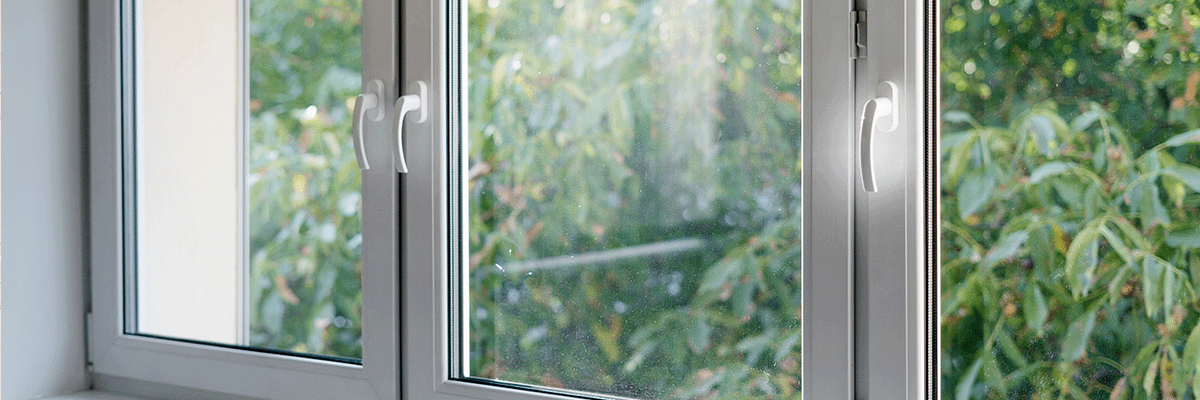
With up to 50 per cent of a home’s heat being lost through windows and doors, choosing the right ones will have the biggest impact on energy efficiency. Double-glazing as the standard has certainly helped with thermal insulation, which lowers heating costs, but alternatives to typical aluminium-framed windows can boost performance even more. As a general rule, timber, composite timber/aluminium, uPVC and fibreglass frames provide better thermal insulation than aluminium ones.
According to BRANZ, windows filled with argon gas between the panes can also improve the R-value of the glazing by 5–20%. It recommends using argon-filled windows for any tight retrofitting job where the gap between the panes is less than 8mm, like an old timber-framed window. BRANZ’s
Level website is a great starting point to learn more about how to get the best window performance.
Getting your insulation right
There are many insulation options available, from polystyrene to fibreglass, wool and polyester. All have a roughly similar thermal performance if installed correctly, but that depends on the thickness you use. For example, wool usually has a slightly lower R-value than fibreglass for the same thickness of material, while polystyrene has a higher one. On the other hand, wool doesn’t “slump” over time, retaining its R-value, while polystyrene needs cutting precisely to avoid gaps that have a real impact on its performance.
Always check the labelling of insulation products to ensure you understand the conditions you need to achieve the best R-value – and remember, the higher the R-value, the better the energy efficiency over the long term. You can also read up on the different options on the
Building Performance website.
Calculating the efficiency of each product
It can be a lot to manage, but there are helpful tools on the way. The Building Research Association of New Zealand (BRANZ) and CIL/Masterspec are set to launch a free database that provides all the carbon data for different construction materials and products in New Zealand. Data will be updated regularly, so it will remain current. The new dataset will be publicly available around the middle of the year.
For those of you who are familiar with the older BRANZ CO2NSTRUCT dataset, this project will replace that. It’s a great way to quickly understand what certain product decisions will mean for the energy efficiency of your project.
For more information and updates on the Masterspec database, visit the
Masterspec website.


