
Shifting Foundations: Keeping homes dry from the ground up
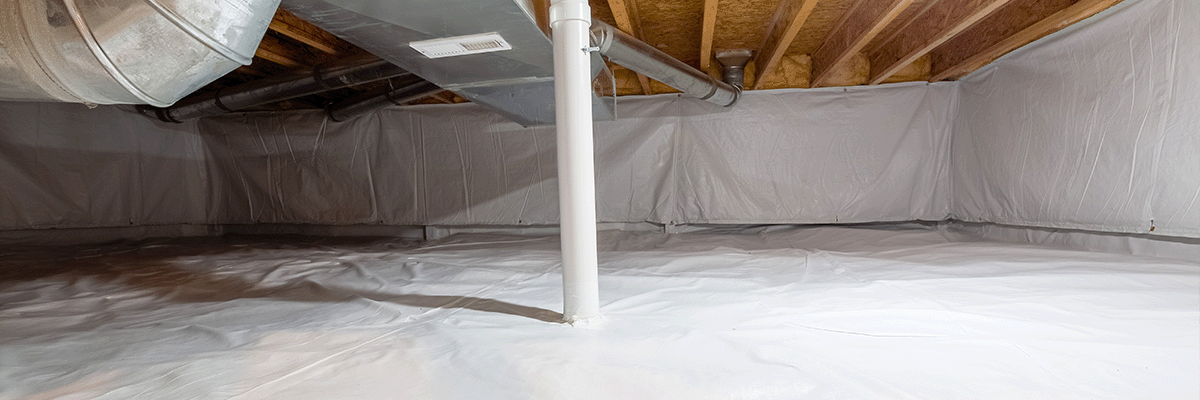
In New Zealand, we’re never far from water. Unfortunately, dampness is a big issue in Kiwi homes too.
Up to 40 litres of moisture per day can get in from under the floor, even if the soil under the house appears dry. That’s enough water to fill a bathtub every four days. Damp air also requires more energy to heat than dry air, so it means higher power bills through the colder months.
A subfloor moisture barrier is the only way to stop this happening. This is a sheet of thick polythene laid out on the ground, which reaches several centimetres up the walls and is taped at all joints and piles to prevent moisture creeping in. A barrier like this should underpin every project, whether it’s a new build or a renovation.
If you’re working on a project and the homeowner doesn’t yet have one installed, recommend they include a moisture barrier so they’re getting a healthier and cosier finished product. They’re generally easy to retrofit – and they’re also good for resale, given subfloor moisture barriers are now a legal requirement if you’re renting out your property, unless it’s on a concrete slab.
The majority of new homes these days are built on a slab, but even then, concrete is porous and moisture will get in if a damp-proof membrane isn’t put down under the foundation. Products like Thermakraft’s Thermathene Black separate the concrete slab from ground soil. These act as a vapour barrier to stop ground moisture penetrating the concrete. Damp-proof membranes also need to be sealed at the joints with tape to form a complete vapour barrier. Thermakraft also offers good quality special and general purpose tapes for moisture barriers
For existing concrete slabs, the only solution is pour-on epoxy products to reduce moisture, such as Sika Damp Stop.
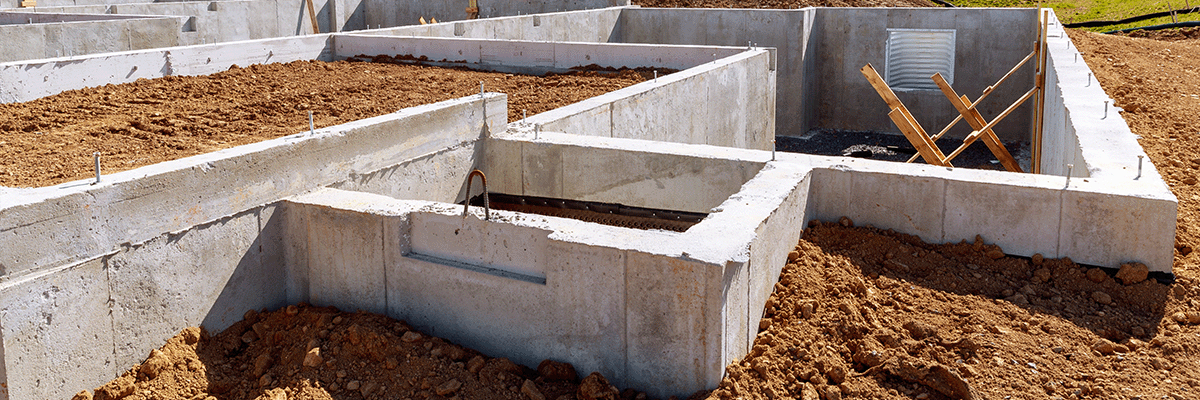
The final ingredient to preventing moisture under the house is to make sure water isn’t draining from paths or gardens under the house. You may need to create channels or underground drains to divert surface run-off, and ensure any paths are sloping away from the foundations. You should also use a damp proof course to prevent walls and structural elements in contact with any concrete or the ground from absorbing moisture.
Keeping Kiwi homes dry and warm literally starts from the ground up. Just a thin layer of polythene and attention to water runoff makes all the difference in keeping houses mould, mildew and moisture-free - better for the owners, and better for the country’s housing stock.
Finally, direct homeowners to the BRANZ website for information on recommended maintenance schedules. Getting these factors right in the planning and pre-build stage is what will truly make Kiwi homes more affordable, not just for the current owner, but for future generations as well.


