
It’s healthy to vent: Installation for kitchens and bathrooms
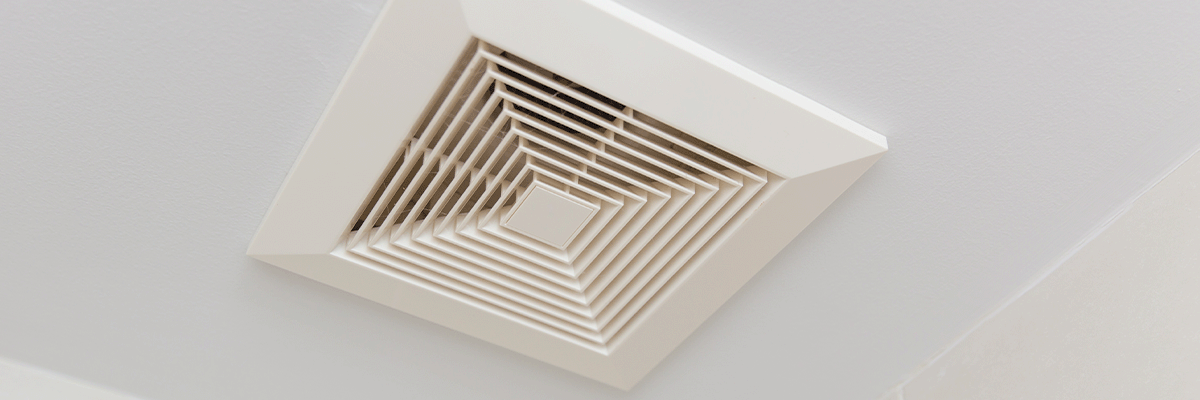
Good ventilation is a must for any healthy home, especially in high-moisture zones like kitchens and bathrooms. It’s essential to design these spaces correctly to avoid mould, rot and peeling paint, and to install extractors and ducting correctly so the system works as it should.
Ten years ago, around half of bathrooms and kitchens in BRANZ’s 2015 House Condition Survey didn’t have mechanical venting to the outside. However, simply opening a window won’t do the job anymore. The Building Code’s Acceptable Solution G4/AS says “natural ventilation…on its own is not adequate to remove moisture generated from cooktops, showers and baths”.
Mechanical ventilation is now mandatory in kitchens and bathrooms. Bathroom extractor fans must have a minimum diameter (including ducting) of 120 mm or an exhaust capacity of at least 25 litres per second. In the kitchen, rangehoods or fans must have a minimum diameter (including ducting) of 150 mm or an exhaust capacity of at least 50 litres per second. There’s a Ventilation Tool for guidance on the Tenancy Services website.
Extractors also have to vent to the outside (not inside the walls), or you’re just moving moisture from one part of the house to the other. If you’re renovating a home without external venting, speak to the homeowner about putting it in as a relatively inexpensive way to make their home drier and healthier. The Healthy Homes standards for rental properties require this as well, so it will also make the home more attractive to a wide range of buyers down the line.
When choosing the location, it’s important to look for the airflow pattern. According to the Level website, extract grilles or fans should be:
- as high as possible, e.g. ceiling or high on the wall
- as close as possible to the source of the moisture
- opposite the point in the room where replacement air will enter so that the maximum amount of contaminated air is replaced by fresh air
Bathroom fans should be near the tub or shower, although not right in the flow of water. If there’s also an air conditioning or heating vent, avoid putting the extractor fan next to this as well, as they can work against each other. However, fans do need some airflow to work, so make sure there’s a proper gap under the bathroom door and the room isn’t too tightly sealed.
For best results, consider installing a fan on a timer that automatically shuts off 15-20 minutes after the switch is turned off, to fully empty the room of moisture after a shower.


