
Caught in a jamb: How to choose the right door
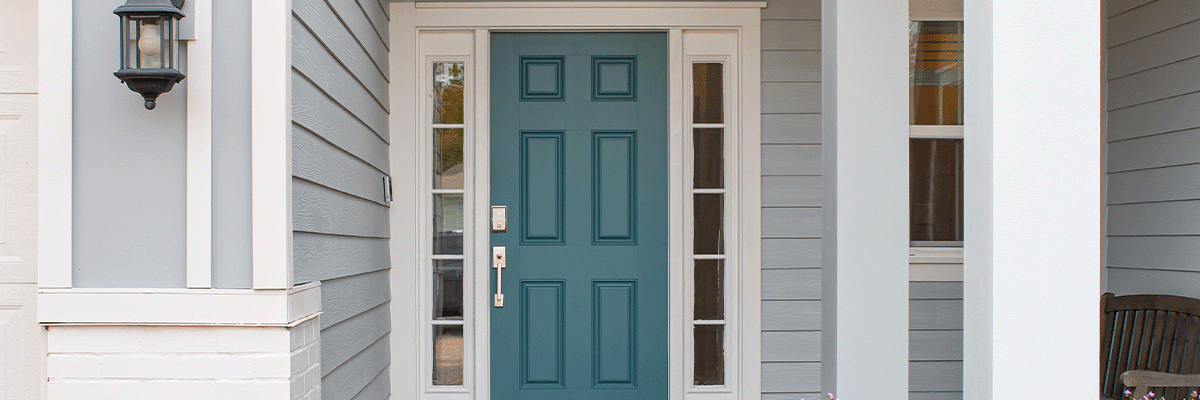
A striking front door can completely change the appearance of a home. But when you’re choosing a door for a new build or renovation, there’s more to consider than just cost and appearance. Will it stand up to the weather conditions on the site? Which way should it open? And what are the specific needs of your clients?
Entrance doors
Solid wood is attractive and durable – but only when it’s protected from the weather. Even under standard eaves, wind can blow rain into the doorway, where wooden doors will eventually warp and weather. In areas without much shelter, aluminium or composite/fibreglass doors should be used. Just take care to choose a style that matches the heritage or look of the house. A model with thin horizontal panels will look very strange on a colonial villa, just as it might get lost against a typical weatherboard.
H1 building requirements may also determine choices to meet R-values and comply with the Building Code. These methods allow the use of windows and doors with lower construction R-values if the construction R-values of other building elements – floor, walls or roof – are increased to compensate.
BRANZ advises to consider whether the door should open inwards or outwards as well. Typically entrance doors open inwards, for greater security, though windy weather can also push them away from their jamb seal, allowing wind and water to get through the gap. In high-wind, exposed areas, it’s worth considering outward-opening doors, which get pushed harder into the jamb seals as the wind increases. Weather seals are always essential around doors on windy sites and anywhere the door may be directly exposed to wet weather.
Interior doors
For interior doors, you’ll want to balance aesthetics with function, and choose options suitable for each room’s purpose. Again, cost will obviously be a factor, but it shouldn’t be the only one. Hume Doors has a wide range of doors that can meet the needs of most project budgets.
Solid wood and solid core (filled with engineered wood fibre) are more soundproof, ideal for family homes. However, solid wood doors are prone to warping in high-humidity areas like bathrooms and kitchens. Solid core doors don’t warp but have fewer style options and are harder to repair. Hollow core ones are the most budget-friendly, but have little insulation or soundproofing, are easier to damage and harder to repair.
When it comes to more creative options like cavity sliding doors, surface-mounted sliding doors, bifold doors, French doors…it’s always best to consider the space and how it will be used. While sliding barn doors mounted on the exterior might maximise a small bathroom space, they also offer the least privacy in terms of soundproofing and are more draughty
It’s always best to have a conversation with the homeowner about their lifestyle and expectations when making a decision because every door has its pros and cons. Insulated entrance and interior doors can save on ongoing heating costs, which may be important to your clients. Even when choosing door furniture, as clients age, it may become more difficult to turn doorknobs, making pull handles a better long-term option.
Understanding your clients can really open the right doors.
For more information, see the Hume Doors website or visit BRANZ on H1 requirements for doors.


